
Embracing Winter in the Himalayas: The Beauty and Challenges of Delayed Snowfall
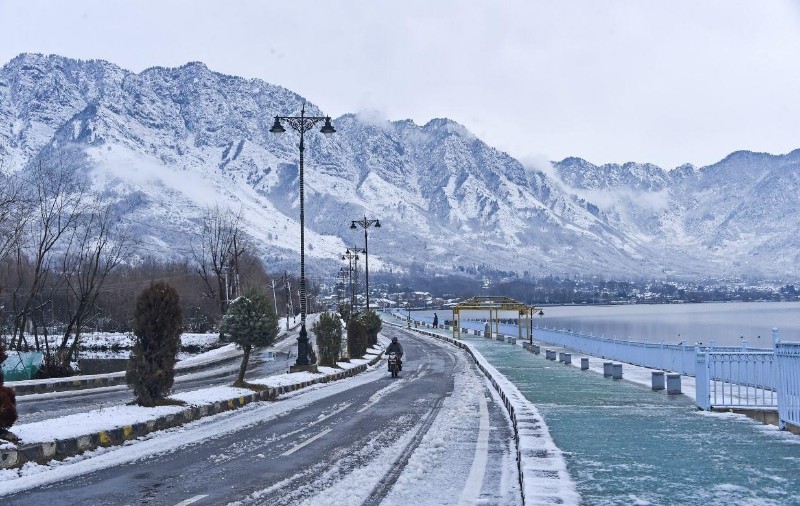
As the cold embrace of winter settles across the majestic Himalayas, the Kashmir Valley undergoes a breathtaking transformation into a winter wonderland. The pristine white snow blankets the mountains, plains, forests, and wetlands, reshaping the region into a landscape of unparalleled beauty and ecological significance. However, this seasonal arrival carries with it a subtle undertone of concern. The delayed snowfall, though enchanting, raises worries about the environmental impact on the delicate natural systems of the Valley.
The recent snowfall, brought by western disturbances, marks the beginning of Chillai Kalan, traditionally known as the harshest phase of winter in Kashmir. In the past, snowfall during this period followed a predictable rhythm, gradually creating a protective cover that sustained ecosystems through the cold months. In recent years, however, winters have become increasingly unpredictable. Delayed snowfall, prolonged dry spells, and sudden temperature fluctuations are disrupting the climatic patterns that both nature and communities have relied on for generations.
Across Srinagar and its surroundings, winter transforms familiar landscapes. The iconic Chinar trees stand adorned in white, their intricate bare branches creating patterns against the serene skies. The Zabarwan range appears softened by the snow, while the Jhelum River flows through the quiet cityscape. Mughal gardens lay silently beneath the snow, revealing geometric elegance in the winter stillness. Beneath this tranquil exterior lies an environmental imbalance triggered by the delayed snow accumulation.
The delayed snowfall significantly impacts the soil and ground temperatures, playing a crucial role in insulating the soil and regulating temperatures. Prolonged exposure to cold air due to late snowfall leads to deeper soil freezing, which can damage plant roots and reduce the soil’s moisture retention capacity. Orchards, especially apple plantations that are vital to Kashmir’s rural economy, are particularly vulnerable to such stress. The delayed snow limits the gradual moisture recharge necessary for spring flowering, affecting yields and long-term soil health.
The consequences of delayed snowfall are even more pronounced in the Valley’s wetlands. Wetlands like Dal Lake and marshlands such as Hokersar, Haigam, Mirgund, and Shalbugh serve as crucial winter habitats for migratory birds from Central Asia, Siberia, and northern Europe. These birds time their journeys to coincide with historical winter conditions in Kashmir, where wetlands remained partially ice-free and rich in food resources.
When snowfall is delayed, wetlands experience extended dry or semi-frozen conditions without the insulating benefit of snow. This leads to fluctuating water temperatures, decline in aquatic vegetation, and reduced insect populations. Birds arriving on schedule often face degraded feeding conditions, forcing them to expend more energy in search of food. Once the snow finally arrives, freezing can be sudden, compressing the feeding opportunities into a shorter timeframe.
Large gatherings of birds are then forced into shrinking open water patches, intensifying competition and increasing vulnerability to stress and disease. Wetlands that once served as stable winter refuges face heightened ecological pressure as seasonal cycles become compressed. Human disturbance during this critical period can further weaken the ability of migratory species to survive the winter in the Valley.
Forested ecosystems across Kashmir are similarly affected by delayed snowfall. The late snowfall allows wildlife to remain at higher altitudes for longer periods, disrupting migration and foraging patterns. When heavy snow eventually falls, animals quickly descend to lower elevations, often entering human-dominated areas. This sudden movement increases the risk of human-wildlife conflict and puts additional pressure on already fragmented forest corridors.
Snow also plays a crucial role in the Valley’s hydrological cycle. Gradual snow accumulation followed by slow melting replenishes springs, streams, and aquifers. However, delayed snowfall followed by sudden warming leads to rapid runoff instead of absorption, reducing groundwater recharge. This poses a threat to water availability in early summer and weakens the ecological connection between winter precipitation and agricultural sustainability.
Winter tourism, while visually enhanced by fresh snowfall, is also impacted by these shifts. Destinations like Gulmarg, Pahalgam, and Sonamarg rely on consistent snow cover for seasonal livelihoods. Delayed snowfall shortens the tourism season, creating economic uncertainty. The discussion around artificial snowmaking raises additional environmental concerns, including water extraction and energy usage in sensitive alpine zones.
For local communities, delayed snowfall disrupts traditional preparedness. Historically, snowfall served as a signal for predictable changes in mobility, fuel use, and resource management. Uncertain winters complicate planning, increasing reliance on external energy sources and straining infrastructure. Traditional knowledge systems, finely attuned to seasonal cues, are increasingly challenged by shifting climate patterns.
Administratively, delayed snowfall complicates winter management. Road clearance, power supply, and water distribution systems are designed based on historical patterns. Sudden heavy snowfall following prolonged dry spells strains these systems and increases the risk of disruptions. Ecological monitoring becomes more complex as authorities balance human needs with the protection of wetlands and wildlife habitats during unpredictable winters.
On a broader scale, delayed snowfall reflects climate variability across the Himalayan region. Warming autumns, changing precipitation patterns, and rising temperatures are altering Kashmir’s winter landscape. These changes not only threaten the seasonal beauty but also the ecological processes that have sustained biodiversity and agriculture for centuries.
Despite these concerns, snowfall brings a sense of renewal. Snow binds landscapes, ecosystems, and communities in a shared seasonal experience. It restores visual harmony and replenishes the land, even when arriving late. However, the timing of snowfall now holds as much importance as its presence.
Conservationists emphasize the need for a more integrated approach to protect Kashmir’s winter environment, recognizing snow as an ecological resource rather than a seasonal inconvenience. Measures such as wetland restoration, protection of inflow channels, regulation of construction near lakes, and stricter control of winter disturbances are seen as essential safeguards. Forest conservation, particularly maintaining continuous corridors, is equally crucial as wildlife movement patterns shift in response to erratic snowfall.
Public awareness is also crucial for winter resilience. Understanding how delayed snowfall affects water security, food systems, and biodiversity can encourage responsible behavior during peak winter months. Reduced pollution, sustainable tourism practices, and respect for sensitive habitats can collectively alleviate pressure on ecosystems already strained by climate variability.
The future of Kashmir’s winters will depend on how effectively environmental planning adapts to changing patterns. Scientific monitoring of snowfall trends, groundwater recharge, and migratory bird populations is becoming essential. Integrating traditional ecological knowledge with modern climate research may offer pathways to sustain the delicate balance of the Valley.
In this evolving landscape, winter serves as both a warning and a promise. Snow continues to define Kashmir’s identity, but its changing rhythm calls for a deeper understanding and protection. Preserving the winter wonderland of the Valley now entails safeguarding the timing, quality, and ecological role of snowfall, ensuring that beauty and balance endure for future generations.
Only by recognizing winter as a living system, rather than a static season, can Kashmir navigate the uncertainties ahead. The snow, whether early or late, carries lessons about limits, resilience, and responsibility, reminding all who witness it that nature’s timing remains crucial for survival in the Himalayan heartland. This truth now shapes the future of the Valley more than ever before.
About the Author: The author is a senior analyst and can be contacted via email at m.hanief@gmail.com or on Twitter at @haniefmha.
