
The Impact of Direct Benefit Transfer (DBT) in Jammu and Kashmir
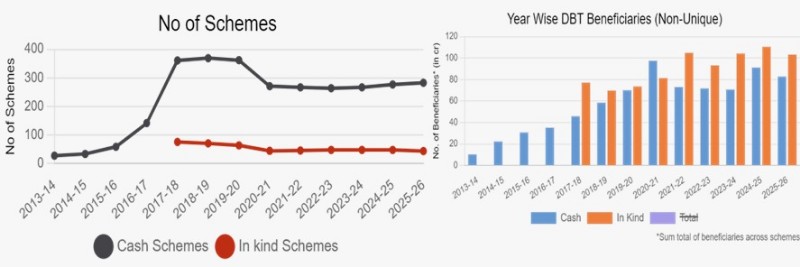
The utilization of Direct Benefit Transfer (DBT) in Jammu and Kashmir has revolutionized the distribution of subsidies by directly channeling funds into the accounts of beneficiaries. This method has not only empowered citizens but also eradicated leakages and reduced the involvement of middlemen in the process.
Enhancing Transparency and Efficiency Through DBT
DBT has emerged as a game-changing mechanism in the realm of digital governance, enhancing transparency, efficiency, and accountability in the delivery of public services. By transferring government benefits directly to the bank accounts of intended beneficiaries, DBT has eliminated intermediaries and minimized the chances of leakages. This system is facilitated by the JAM Trinity—Jan Dhan bank accounts, Aadhaar digital identity, and mobile connectivity—which collectively ensure secure, fast, and verifiable transactions.
Transforming Governance in Jammu and Kashmir
Since the abrogation of Article 370 in 2019, DBT has played a pivotal role in transforming governance in Jammu and Kashmir. The integration of the region into national governance frameworks has expanded the reach of schemes such as PM-KISAN, pensions, scholarships, and healthcare benefits under Ayushman Bharat. By establishing a direct pipeline from the government to citizens, DBT has significantly curtailed the influence of middlemen and ensured that benefits reach the intended recipients without any dilution or diversion.
Curbing Corruption Through DBT
DBT has implemented various mechanisms to curb corruption effectively. Aadhaar-linked bank accounts have eliminated duplicate or fictitious beneficiaries by ensuring biometric authentication. The system promotes financial inclusion by encouraging bank account ownership and reducing reliance on cash, thereby minimizing opportunities for manipulation and bribery. Real-time tracking on centralized portals enhances transparency and reduces delays by automating payments, thereby minimizing discretionary power and bureaucratic bottlenecks that could lead to corruption.
Projected Statistics for FY 2025–2026
Based on current trends and government targets, Jammu and Kashmir is expected to transfer approximately ₹12,500 crore directly to beneficiaries in the financial year 2025–2026. The number of DBT transactions is projected to reach 5.8 million, covering various beneficiaries. Complaints related to fund misappropriation are expected to decline by around 40 percent compared to the previous year, indicating improved accuracy, service quality, and beneficiary satisfaction.
Challenges and Solutions
Despite its successes, DBT in Kashmir faces persistent challenges such as internet connectivity issues in remote areas, Aadhaar authentication failures, and limited digital awareness among beneficiaries. The government has introduced offline authentication modes, expanded banking correspondents, and launched community sensitization programs to address these concerns and ensure that vulnerable populations are not left behind in the digital transition.
Social Impact of DBT
Receiving funds directly into personal bank accounts empowers individuals, particularly women, the elderly, and marginalized groups, by giving them greater control over financial resources and household decisions. This empowerment contributes to improved living standards, enhanced dignity, and stronger participation in the formal economy.
Conclusion
Direct Benefit Transfer has emerged as a cornerstone in the fight against corruption and inefficiency in Jammu and Kashmir. By leveraging technology to ensure direct, transparent, and timely benefit delivery, DBT has strengthened financial inclusion, fostered public trust, and paved the way for transparent administration and inclusive growth in the region.
The author can be reached at: afazil146@gmail.com
