
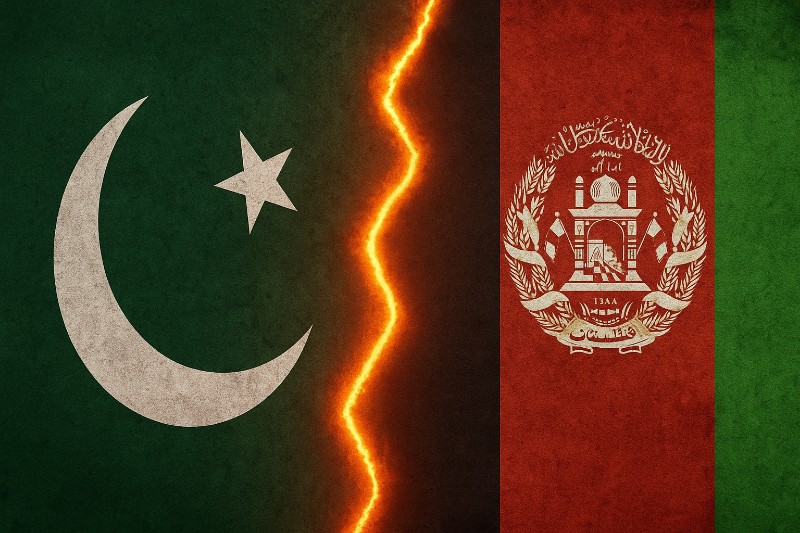
Exploring the Complex Relationship Between Afghanistan and Pakistan
Amid strained relations between Pakistan and Afghanistan, Kabul has sought to strengthen its ties with other neighboring countries such as India, Iran, and Central Asian states. The historical, geographical, and strategic complexities have long shaped the dynamic between these two nations.
The once-promising relationship, often referred to as the “mother of all relations,” has deteriorated over the years, leading to a state of mistrust and hostility. Pakistan’s actions have been perceived as contributing to regional instability, impacting the lives of ordinary Afghans. Islamabad’s focus on security concerns has strained the historical ties that bind the two nations.
While Pakistan and Afghanistan share deep cultural and familial connections, their interactions have been marred by conflicting strategic interests. Pakistan’s recent closure of trade routes with Afghanistan has had significant economic repercussions for both countries, further deepening the rift between them.
Security concerns have been central to Pakistan’s policy towards Afghanistan, with Islamabad accusing Afghan authorities of harboring militants that pose a threat to Pakistan. The resulting tensions have escalated into open hostilities, with Pakistan conducting airstrikes inside Afghan territory, drawing criticism for violating Afghan sovereignty.
In addition to military actions, Pakistan’s policies towards Afghanistan have been seen as discriminatory and punitive, exacerbating the suffering of vulnerable populations. Diplomatic engagement between the two countries has been sporadic, with external mediators often playing a significant role in facilitating discussions.
Critics argue that Pakistan’s approach to Afghanistan lacks a coherent strategy, oscillating between seeking stability and resorting to coercive measures that deepen instability. Afghanistan, in response, has sought alternative partnerships to reduce its reliance on Pakistan.
As Afghanistan diversifies its diplomatic and economic ties with other regional powers, the broader regional context further complicates the situation. Pakistan’s interactions with India and China intersect with its Afghan policy, contributing to larger strategic rivalries.
To improve relations between Afghanistan and Pakistan, Islamabad must move towards a more cooperative and respectful approach, addressing humanitarian concerns, and building joint mechanisms to tackle security challenges collaboratively. Sustainable peace requires dialogue, empathy, and a commitment to working together towards shared prosperity.
Ultimately, Pakistan’s current trajectory risks perpetuating instability in the region unless a more constructive approach is adopted to foster peace and prosperity in South Asia.
