
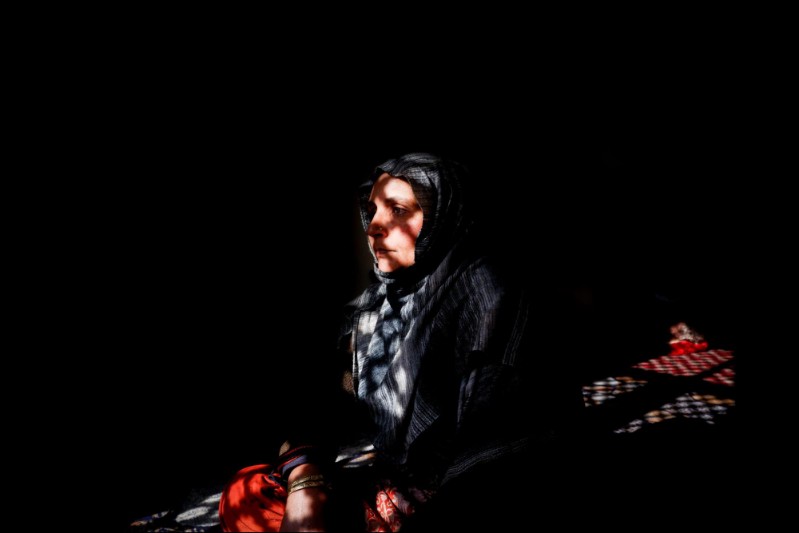
The Unseen Strength of Kashmiri Women
In every society, there are invisible hands that work tirelessly to sustain daily life without seeking recognition. In Kashmir, these hands predominantly belong to women. Their constant labor, inherited resilience, and often mistaken silence play a vital role in upholding the fabric of society. Women’s invisible contributions are the backbone of communities worldwide, yet they remain undervalued and overlooked.
From a sociological perspective, Karl Marx emphasized the significance of labor in society. However, when labor goes unpaid or unrecognized, it transforms into a form of exploitation that remains hidden in plain sight. Kashmiri women embody this reality as they fulfill domestic, emotional, and social roles without receiving wages, titles, or visibility. Their essential work sustains stability, nurtures future generations, and fosters social cohesion while being excluded from economic considerations and policy frameworks.
Dr. Ali Shariati highlighted that the most insidious form of oppression is one that is normalized within society. By defining women’s sacrifices as a natural duty, society evades its responsibility towards them. Shariati warned against the deceptive nature of tradition when devoid of consciousness, as it can serve as a tool for subtle domination. In Kashmir, women did not choose invisibility; it was imposed upon them.
Within households marked by various uncertainties, women assume the role of scarcity managers. They skillfully allocate resources, mediate conflicts within families, absorb collective anxieties, and turn fear into a daily routine. Their decisions, guided by values and ethical commitment, exemplify meaningful social action as described by Max Weber.
Despite the profound impact of their labor, women’s contributions are often dismissed as insignificant because they occur within the private sphere. This dismissal, as analyzed by French sociologist Pierre Bourdieu, constitutes symbolic violence where domination is maintained through acceptance. Women internalize the belief that their work is lesser due to societal attitudes, perpetuating a cycle of undervaluation.
In Kashmir, women are not merely surviving but actively holding society together amidst its most fragile moments. They raise children shaped by the emotional scars of conflict, care for elders enduring repeated disruptions, and serve as emotional pillars during times of grief. Their resilience stems from skill honed through experience and necessity, rather than mere instinct.
An Islamic scholar emphasized that women were meant to be conscious moral forces within society, not silent sufferers of burdens. By neglecting women’s roles, society diminishes their dignity and exploits their labor. Allama Iqbal aptly captured the essence of women’s existence, highlighting their indispensable role in the tapestry of life.
While modern narratives of empowerment often focus on visibility, careers, and public success, the majority of women who exert strength in less visible spheres are excluded. True empowerment should encompass all forms of women’s labor, including those performed in the shadows without recognition or respite.
Recognition of women’s contributions must extend beyond mere words to tangible structural changes. Unpaid care and emotional labor should be formally acknowledged within legal and economic frameworks. Women sustaining families in conflict-affected environments deserve social security, healthcare, and financial inclusion. Mental health support and public appreciation are essential for the emotional labor quietly carried out by women.
Media and education must provide platforms for women to share their lived experiences authentically rather than being stereotyped as symbols of resilience. Women’s work, often relegated to the realm of duty, must be redefined as valuable contributions essential for societal cohesion.
Patriarchal norms perpetuate the expectation that women will sacrifice silently, while men’s labor is duly recognized and rewarded. The exploitation of women’s unpaid reproductive labor, as highlighted by Silvia Federici, forms the foundation of modern economies. Antonio Gramsci’s assertion that domination thrives on consent shaped by culture underscores the need to challenge societal norms that silence women’s voices and undervalue their labor.
The strength of a society lies not in its invisibility but in the acknowledgment, protection, and support of those who sustain it. It is time to break the silence, elevate the voices of women, and honor their indispensable contributions.
Email: bintez566@gmail.com
