
The Unrest in Pakistan-Occupied Kashmir: A Cry for Basic Rights and Dignity
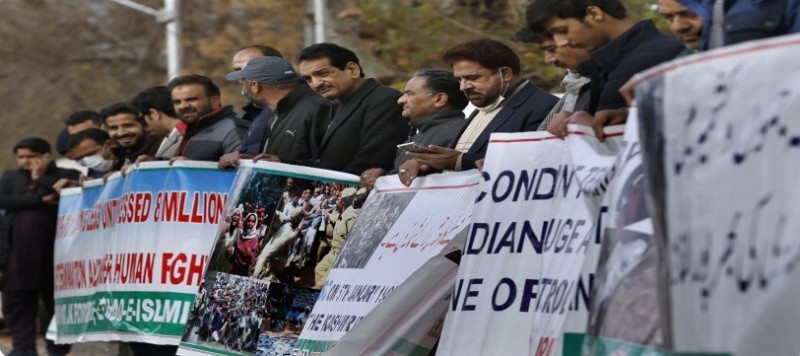
The recent protests in Pakistan-occupied Kashmir (PoK) have brought international attention to the region, shedding light on the widespread unrest and human rights violations faced by its residents. The demonstrations, led by civil society groups and local organizations, were a response to the oppressive governance of Pakistan, which has denied the people of PoK their basic rights, opportunities, and dignity.
In late 2025, PoK witnessed significant demonstrations calling for affordable electricity, food security, quality education, and improved healthcare. However, instead of addressing these legitimate grievances, Pakistani security forces resorted to brutal crackdowns, using tear gas, mass arrests, and live fire against unarmed civilians. This violent suppression of dissent highlights the grim reality faced by the residents of PoK.
The Struggle for Basic Rights and Economic Prosperity
Residents of PoK have long endured a denial of basic rights, with internet blackouts, educational closures, and heavy police presence creating an atmosphere of fear and suppression. Despite the region’s abundant natural resources, such as hydropower potential and fertile lands, Pakistan’s governance has failed to translate these assets into local prosperity. Energy projects that benefit central authorities have led to frequent blackouts and limited economic opportunities for local communities.
The recent demonstrations in PoK also saw activists taking their grievances to international forums, urging the global community to pressure Pakistan to vacate the occupied territories and allow the people of PoK to determine their own future. This grassroots movement challenges Pakistan’s narrative of being a benevolent protector of the Kashmiri people, exposing the stark contrast between rhetoric and reality.
Contrasting Governance in Jammu and Kashmir
Comparing the situation in PoK with Jammu and Kashmir under Indian administration highlights the differences in governance, rights protection, and development. In Jammu and Kashmir, citizens enjoy fundamental freedoms guaranteed by the Indian Constitution, participate in democratic elections, and have access to a wide range of social services and legal protections.
India’s focus on infrastructure development, connectivity projects, and welfare schemes in Jammu and Kashmir demonstrates a commitment to improving living standards and integrating the region into the national development agenda. In contrast, Pakistan’s governance model in PoK reflects political marginalization, with decisions often coming from Islamabad rather than local representatives.
A Call for Reform and Justice
The recent unrest in PoK serves as a wake-up call to policymakers and international observers, highlighting not only the immediate human rights violations but also the systemic failure of governance that has denied the population their rights and opportunities. India has called on the international community to hold Pakistan accountable for its actions and acknowledge the aspirations of Kashmiris for peace, development, and rights.
The people of PoK are demanding the right to live with dignity, justice, and freedom, rights that are readily available to all Indians through democratic processes and legal protections. Their struggle is not just for PoK; it is a universal cry for justice that India firmly supports.
Contact: aatifahmad2026@gmail.com
