
The Greenland Conundrum: Implications for NATO and European Security
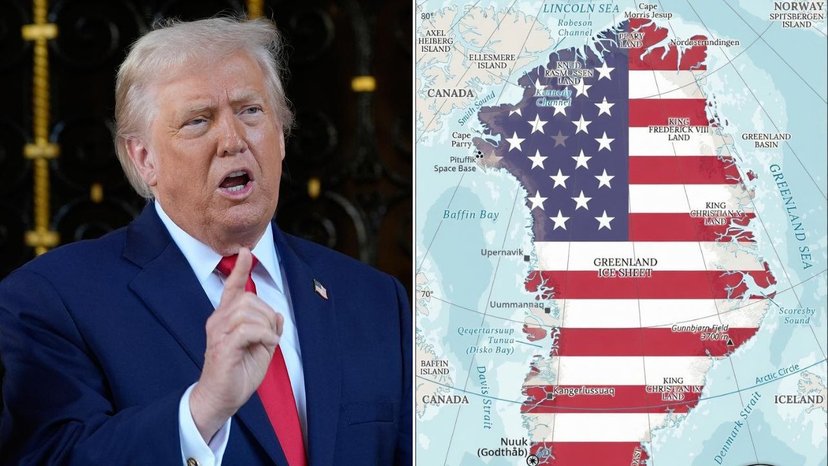
Following the recent events in Venezuela and the subsequent focus on Denmark by the United States, a new issue has emerged – the fate of Greenland. The possibility of its sale or takeover by the US has brought the long-standing colonization history of Greenland by Denmark into the spotlight.
As tensions escalate, Danish Prime Minister Mette Frederiksen has issued a strong statement, warning that any US invasion of Greenland could potentially spell the end of NATO, the cornerstone of European security.
The Significance of NATO and European Security
NATO, established in the aftermath of World War II and the Cold War, has played a crucial role in ensuring European security. The US has been a key player within this alliance, which has also contributed to the formation and stability of the European Union.
With the potential threat to NATO, questions arise about the future of European security and the European Union itself. The absence of NATO could lead to a reevaluation of defense strategies and a shift in power dynamics within Europe.
The Role of the US and European Security
A central point of contention revolves around the reliance of Europe on American security guarantees. The possible dismantling of NATO could force European nations to rethink their defense capabilities and expenditures, impacting the welfare state model.
Furthermore, the absence of a unified European army raises concerns about defense against external threats, particularly in the face of Russian ambitions in the region.
Trump’s Strategy and the Future Order
President Donald Trump’s approach to global affairs, marked by disruptions and unconventional tactics, has led to significant shifts in international relations. From Venezuela to the Middle East, his actions have reshaped the geopolitical landscape.
Amidst these developments, the Greenland issue has emerged as a focal point, with national security and economic interests at play. The potential exploitation of rare earth deposits and strategic positioning are key considerations in the US administration’s approach.
As President Trump navigates the complexities of global politics, the world watches to see how his decisions will influence the future world order. With his unique position of power and influence, the outcomes of his actions could have lasting implications for peace and stability in the 21st century.
Conclusion
In conclusion, the Greenland controversy underscores the intricate interplay between geopolitics, security, and global alliances. The ramifications of potential shifts in power dynamics and security arrangements are far-reaching, with implications for the future of European security and international relations.
