
The Importance of Sensitivity in Mental Health
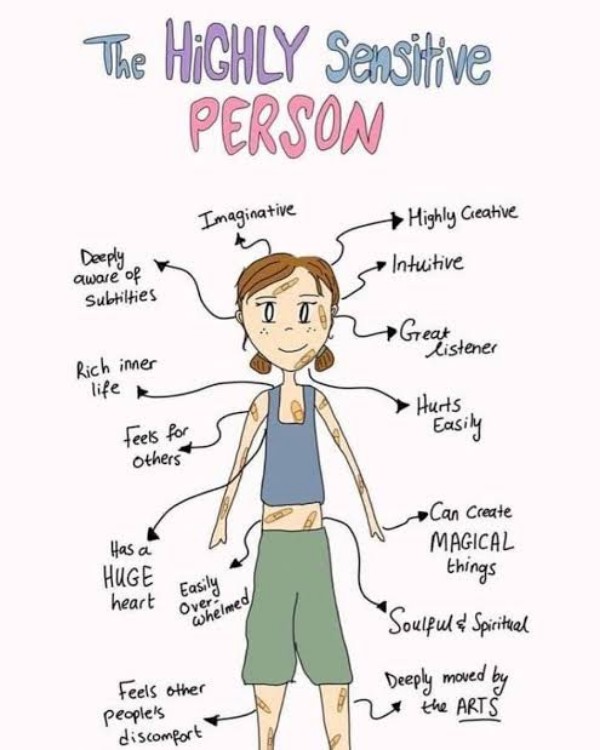
Many individuals experience emotions on a deeper level than others, leading to a heightened sensitivity to their surroundings. This trait, known as a highly sensitive personality, is not a weakness but rather a unique characteristic that plays a significant role in mental health, according to recent research.
Understanding Sensitivity
Approximately 30% of people fall into the category of highly sensitive individuals, who process experiences deeply and react strongly to stimuli such as sights, sounds, emotions, and social cues. While this deep processing allows them to notice details others may miss, it can also increase their emotional load.
Link to Mental Health
A comprehensive review of over 33 studies published in Clinical Psychological Science revealed a clear association between high sensitivity and mental health issues. Highly sensitive individuals are at a higher risk of anxiety, depression, post-traumatic stress disorder, and avoidant personality patterns across different age groups.
Emotional Responses and Sensory Overload
Contrary to common misconceptions, sensitivity does not equate to constant sadness but rather to intense emotional responses. Sensitive individuals experience joy and stress deeply, with their nervous systems reacting swiftly to external stimuli like loud noise, bright lights, crowded spaces, and tense relationships. This heightened sensitivity can lead to emotional exhaustion if not managed effectively.
The Role of Environment
Environmental factors play a crucial role in the mental well-being of sensitive individuals. A supportive and understanding environment can significantly reduce the risk of distress, while chaotic workplaces, constant pressure, and emotional invalidation can exacerbate emotional overload.
Treatment and Support
Recognizing sensitivity as a clinically important trait can improve diagnosis and treatment outcomes for individuals. Sensitive individuals often respond well to psychological interventions such as mindfulness, applied relaxation, and emotion regulation techniques, which help reduce nervous system overload and prevent relapse.
Strengths of Sensitivity
Despite the challenges, sensitivity also brings strengths such as high empathy, deep relationships, creative abilities, and strong moral awareness. Identifying and supporting sensitive individuals early on can lead to improved mental health outcomes and overall well-being.
Embracing Sensitivity
Sensitivity should not be viewed as a disorder but rather as a unique trait that interacts with the environment. By acknowledging and respecting sensitivity, individuals can thrive in the right setting and avoid unnecessary burdens in the wrong environment.
Conclusion
Recognizing and understanding sensitivity is crucial for promoting mental health and well-being. By incorporating personalized care tailored to individual traits like sensitivity, mental health systems can provide more effective support and reduce reliance on medication. Public awareness and acceptance of sensitivity can help create a more inclusive and supportive environment for all individuals.
(This article was written by a Teacher, Author, and Columnist from Boniyar Baramulla. For inquiries, please contact mukhtar.qur@gmail.com)
