
Transforming Pollution into Accountability: The Poonch River Garbage Dump Crisis
Witnessing the transformative power of determined leadership in cities is truly inspiring.
The story of Lucknow’s rise from rank 41 to rank three in India’s cleanest cities list under the leadership of Indrajeet Singh serves as a shining example of what can be achieved with authority, backing, and accountability.
Contrastingly, the situation in Jammu and Kashmir paints a stark picture of neglect and mismanagement, with cities and towns drowning in garbage and facing severe environmental consequences.
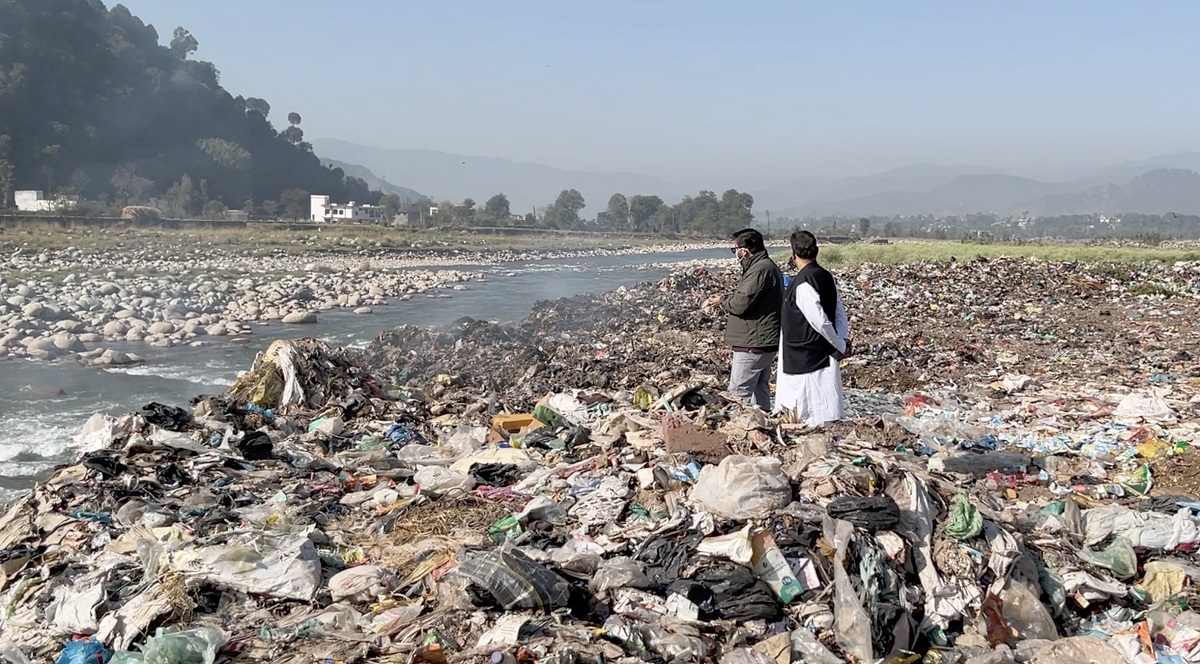
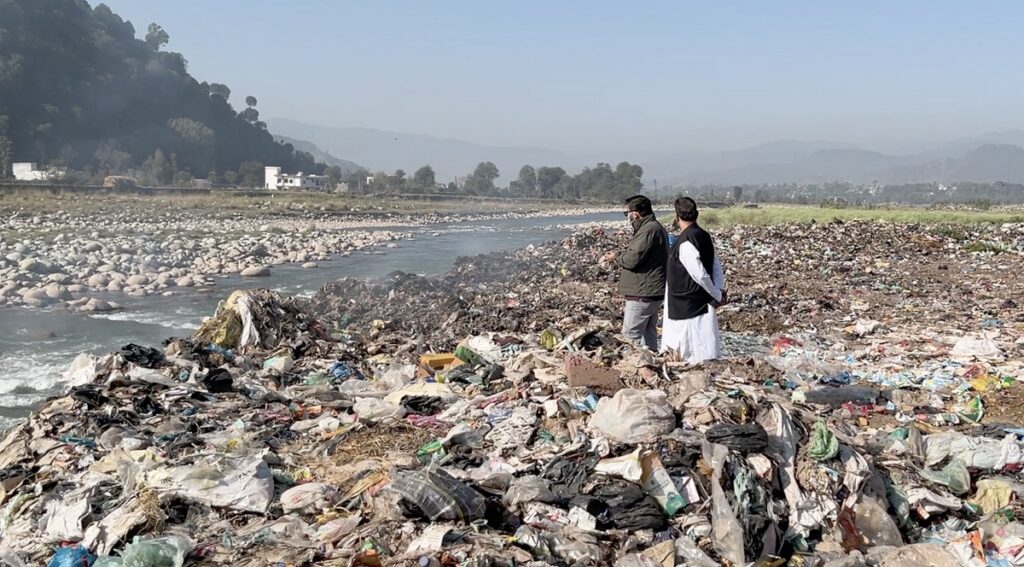
The Poonch River garbage dump stands out as a glaring symbol of this collapse, with municipal solid waste being dumped near the river for over two decades, posing a significant threat to the environment and public health.
Efforts to address this crisis have been marred by bureaucratic inertia and lack of accountability, leading to severe penalties and the auctioning of public assets to pay for environmental compensation.
Despite promises of improvement and assurances from officials, the ground reality remains unchanged, with garbage continuing to pile up and the river suffering the consequences.
The failure to properly manage waste and address environmental concerns highlights systemic shortcomings rather than technological or financial constraints.
The imposition of hefty environmental compensation by the National Green Tribunal underscores the severity of the situation, with the Municipal Council of Poonch failing to meet its obligations, leading to the auctioning of public property.
Environmental activists and political leaders have decried this administrative failure and called for greater accountability from officials responsible for the crisis.
Efforts to address the waste management issue have been marred by delays and inaction, with promises of a waste management plant remaining unfulfilled and little progress on the ground.
Proposals to shift the waste processing site and implement segregated waste collection have yet to materialize, highlighting the lack of political will and commitment to addressing the crisis.
The absence of a dedicated municipal chief with clear authority and resources further complicates efforts to address the waste management challenges in Poonch, contrasting sharply with success stories like Lucknow.
Addressing the legacy waste and restoring accountability in waste management is not an insurmountable task, but it requires a concerted effort and commitment from all stakeholders.
Ultimately, the people of Poonch deserve a clean and sustainable environment, with officials held accountable for their actions and public spaces preserved for community use.
Efforts to sell public assets to cover up years of neglect only serve to compound the environmental and social costs of the crisis, emphasizing the urgent need for proactive and sustainable solutions.
