
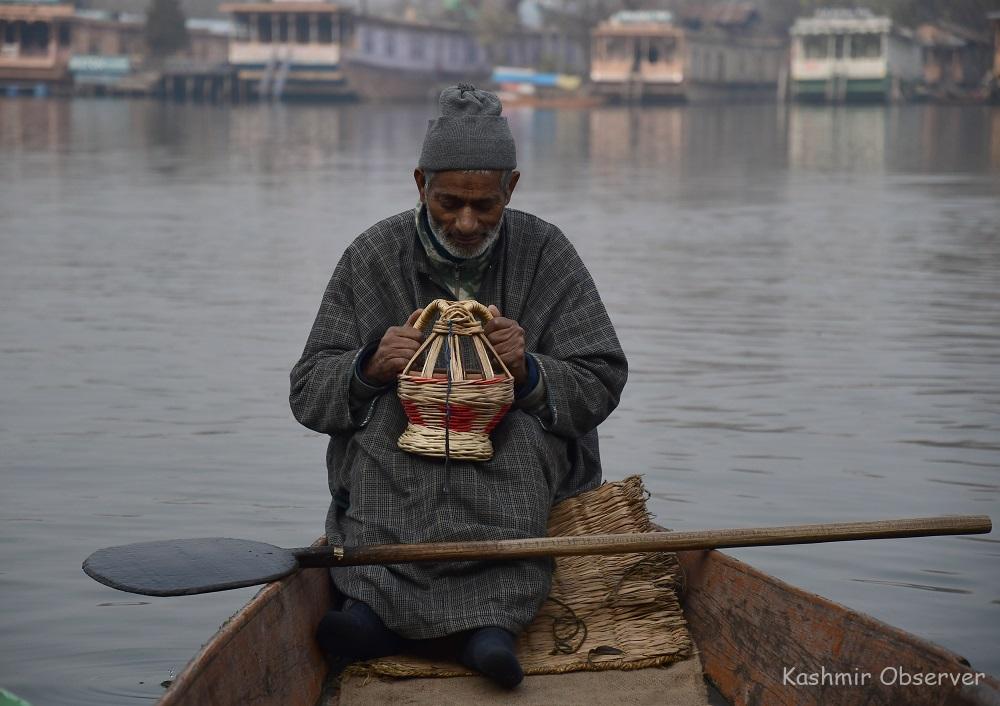
Coping with Winter Blues in Kashmir: A Guide to Mental Wellness
By Fazila Fayaz
As the cold winds sweep through the streets of Kashmir, penetrating to the bone, the essence of long nights and short days envelops the region in a frosty grip.
This time of year brings a weightiness to life, with frost-kissed windows greeting people in the morning, and daily routines becoming more challenging.
During this season, the mind can mirror the harshness of the winter, often trapped in a cycle of worry, anxiety, and exhaustion.
Mental health issues are a reality for many, yet seeking help can be a daunting task due to the scarcity of trained professionals, financial constraints, and societal stigma.
Conversations around emotional struggles are frequently met with judgment or dismissal, leading many to suffer in silence, fearing that reaching out for help may exacerbate their situation.
Years of adversity, uncertainty, and collective trauma have compounded these challenges, resulting in widespread depression, anxiety, and post-traumatic stress.
Instances of breakdowns, escalating suicide rates, and emotional burnout are not isolated occurrences, as evidenced by the tragic incident at Pratap Park where a woman resorted to self-immolation.
However, amidst the scarcity of professional help, there are ways to find solace for the mind. Physical movement, such as walking by Dal Lake or engaging in indoor exercises, can alleviate stress and elevate mood.
Deep breathing techniques, coupled with mindful movement, serve to calm the body and alleviate anxious thoughts.
Exposure to sunlight is another potent remedy, as natural light can positively impact mood and energy levels.
Connecting with others plays a pivotal role in easing the burden of mental distress. Sharing one’s struggles with a friend, family member, or neighbor can provide much-needed relief from isolation-induced stress.
Practicing mindfulness by focusing on the present moment, whether through savoring the taste of food or the sensation of cold on the skin, can redirect attention from spiraling thoughts.
In the digital age, technology bridges the gap where local mental health services fall short. Telemedicine and online counseling platforms offer guidance and crisis support when in-person care is impractical.
Embracing small actions such as movement, breathing exercises, sunlight exposure, social connection, and mindfulness can help manage daily strains on mental health.
While these practices do not substitute professional therapy, they serve as valuable tools in preventing isolation-induced distress from escalating.
Every effort, no matter how small, contributes to fostering a sense of relief, hope, and resilience in the face of life’s challenges.
Winter in Kashmir may be harsh, but by prioritizing mental wellness through daily self-care practices, individuals can navigate the cold season with greater ease and resilience.
