
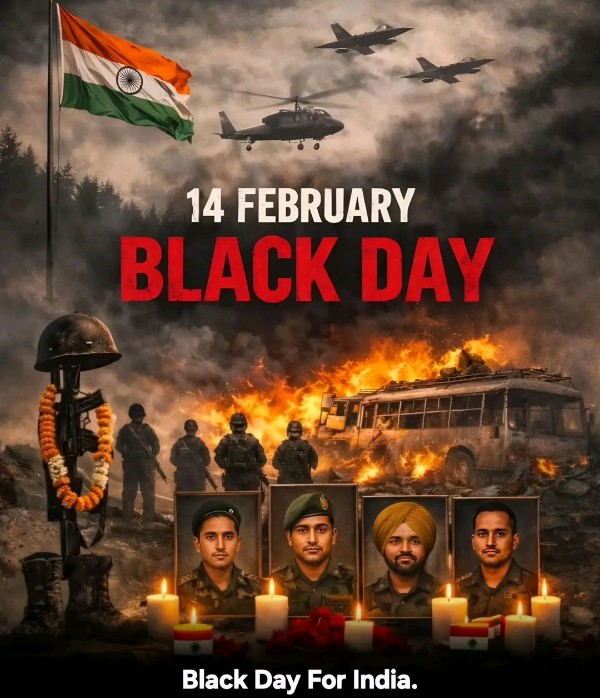
The Pulwama Attack: A Day of National Sorrow
India was struck by tragedy on 14 February 2019, a day that is typically associated with celebrations and joy. However, this day became a somber reminder of the price of national security and the sacrifices made by the brave soldiers of the Central Reserve Police Force (CRPF). A suicide bomber targeted a convoy on the Jammu Srinagar National Highway in the Pulwama district of Jammu and Kashmir, resulting in the loss of 40 CRPF personnel and leaving many others wounded. The nation was left in shock by the devastating attack.
The convoy was carrying soldiers who had recently reunited with their families before returning to duty. Little did they know that their journey would end in tragedy. The powerful blast not only claimed lives but also instilled fear and panic in the area. The images of the attack spread rapidly through news outlets and social media, bringing the reality of the devastation into the homes of millions of Indians. The aftermath was marked by a silence that spoke volumes of the collective grief felt across the nation.
The martyred soldiers of Pulwama were true embodiments of service and sacrifice. They had dedicated their lives to serving the nation, facing difficult and dangerous situations with unwavering courage. They were not just soldiers; they were sons, husbands, and fathers who had dreams and responsibilities towards their loved ones. Their tragic deaths highlighted the emotional toll of every security operation, leaving behind families with irreparable losses and the nation in deep contemplation.
Following the attack, India witnessed an unprecedented display of solidarity. People from all walks of life came together to pay tribute to the fallen soldiers through candlelight vigils, silent marches, and prayers. Schools, colleges, religious institutions, and civil society organizations organized events to honor the martyrs and support their families. The sense of loss was deeply personal for many who had never met the soldiers but felt a profound connection through their shared grief.
The Pulwama attack was carried out by Pakistan-based terrorist groups, notably Jaish-e-Mohammed (JeM), with support from organizations like Lashkar-e-Taiba (LeT). These extremist groups have a history of spreading violence and terror, targeting Indian civilians and security forces to sow fear and instability. The incident underscored the ongoing threat of cross-border terrorism that has long plagued India, particularly in the region of Jammu and Kashmir. It also prompted India to intensify diplomatic efforts to combat terrorism on the global stage and garner international support against such militant outfits.
The political leadership of the country paid tribute to the martyrs, offering condolences and support to their families. The tricolour-draped coffins were taken to their hometowns amidst a sea of mourners, symbolizing the deep bond between the military and the nation. The images of grieving families standing tall with dignity left an indelible mark on the nation’s collective memory.
The Pulwama incident serves as a poignant reminder of the importance of peace and unity in the face of terrorism. It reinforced India’s resolve to stand together against violence and uphold national security. Each year on 14 February, the nation observes a day of remembrance to honor the sacrifice of the Pulwama martyrs, reflecting on the profound impact of their loss. Through various tributes and activities, their memory continues to live on in the hearts of the people.
The martyrs of Pulwama exemplify the silent strength of India’s security forces, whose dedication and sacrifice ensure the safety and stability of the nation. Their lives embody courage, discipline, and a profound sense of duty, inspiring generations to come. It is crucial to support their families, acknowledge their contributions, and educate the youth about the sacrifices made by those who protect the country.
Over time, Pulwama has become a pivotal moment in India’s history, shaping discussions on terrorism, unity, and national security. The emotional impact of that day continues to influence public opinion and social attitudes, turning pain into resilience and sorrow into strength.
The legacy of the Pulwama martyrs transcends the tragic event itself, instilling a sense of responsibility and unity among citizens. Their lives serve as a powerful reminder that freedom and peace come at a price, one that requires courage and sacrifice. Their bravery and dedication remain a timeless testament to the spirit of service and devotion.
Contact Email: syediram368@gmail.com
