
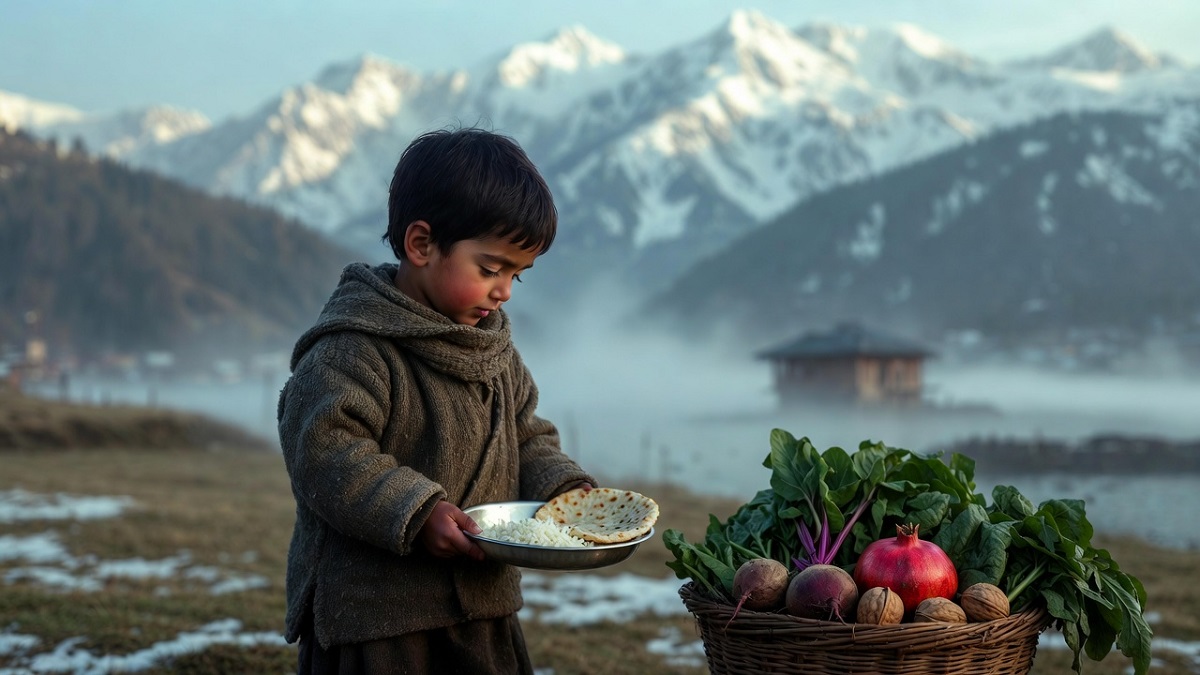
Anemia on the Rise in Jammu and Kashmir: A Closer Look at the Latest Data
Written by Ruqaya Akhter, Research Scholar at the Department of Economics, UOK
Recent haemoglobin tests in clinics and anganwadi centres in Jammu and Kashmir are painting a concerning picture. Despite having access to vaccination cards and hospital birth records, children are still showing low iron levels, with the region now being among the worst affected in the country.
This shift marks a stark contrast to the previous decade, which had shown signs of improvement. National Family Health Survey data reveals a concerning trend – anaemia among children aged six to 59 months in India has increased from 58.4% in 2015-16 to 67.1% in 2019-21.
While the overall rise in anaemia cases reflects a shift towards moderate anaemia rather than severe forms, indicating diets lacking in essential micronutrients, Jammu and Kashmir stands out with a surge to 72.7%, surpassing the national average and aligning with states facing severe nutrition challenges.
Further analysis of the data also highlights a broader nutrition issue in the region. A significant percentage of children are stunted, wasted, or overweight, indicating a lack of dietary diversity and reliance on calorie-dense, nutrient-poor foods.
Comparisons with other regions in India emphasize the magnitude of the problem. Jammu and Kashmir, which previously reported improvements in child anaemia rates, now finds itself closer to high-burden states like Bihar and Uttar Pradesh.
Health experts attribute this concerning trend to maternal health and feeding practices. With anaemia prevalent among women nationally, it poses a risk to both maternal and child health, leading to low birth weights and iron deficiencies in infants.
Challenges such as seasonal food availability, limited dietary diversity, and gaps in programme delivery have exacerbated the situation, particularly in remote areas where access to essential nutrients is restricted.
Efforts to address anaemia through national initiatives like POSHAN Abhiyaan have been hindered by implementation issues and supply disruptions, further underscoring the need for improved last-mile delivery strategies.
The impact of the pandemic on nutrition outcomes has been significant, with disruptions to essential services and income losses further limiting food choices and exacerbating anaemia rates.
Addressing anaemia in Jammu and Kashmir requires a multi-pronged approach that focuses on improving maternal nutrition, enhancing programme quality, and ensuring consistent access to essential nutrients for both mothers and children.
The Way Forward: Combating Anaemia Through Comprehensive Strategies
As the region grapples with rising anaemia rates, it is crucial to prioritize reliable programme delivery, promote diversified local food systems, and emphasize sustained maternal nutrition to break the cycle of anaemia across generations.
It is evident that while medical advancements have made significant progress in areas like hospital births and immunisation, addressing nutritional deficiencies and improving local programme delivery remain critical challenges in the fight against anaemia.
Anaemia in early childhood not only impacts immediate health outcomes but also has long-term implications on brain development, immunity, and overall productivity in adulthood. By focusing on comprehensive strategies that address the root causes of anaemia, Jammu and Kashmir can work towards a healthier future for its children.
- The author is a research scholar at the Department of Economics, UOK.
