
The Role of Other Non-State Actors in Jammu and Kashmir
Exploring the historical narrative of Jammu and Kashmir reveals a complex tapestry of actors beyond the traditional tribal invasion storyline. Sultan’s analysis sheds light on the significant contributions of various non-state and quasi-state entities in shaping the region’s destiny.
Unveiling Forgotten Players
Sultan’s research highlights the involvement of lesser-known forces such as the Patiala state forces, Akali Sikh jathas, Dogra troops, and RSS-linked networks. Col. M.N. Gulati’s records demonstrate the swift mobilization of the First Patiala Infantry and mountain artillery to Jammu in October 1947, challenging the dominant narrative.
Christopher Birdwood’s documentation of Akali Sikh incursions into villages like Amrey Chak and Atampur underscores the widespread violence that engulfed Jammu during that tumultuous period. The ripple effects of Punjab’s communal strife cast a long shadow over the region, influencing events in unforeseen ways.
Unearthing Deep Roots
An investigative report by Caravan unveils the entrenched presence of Sangh-affiliated networks in Jammu well before 1947. The report reveals how a historical grant by Pratap Singh facilitated the establishment of Sangh-linked organizations in the region, challenging assumptions of their incidental role in the crisis.
These findings gain significance when juxtaposed with ideological reinterpretations of 1947, as depicted in works like RSS: Building India through Sewa. The narrative of the Sangh’s pivotal role in thwarting the Pashtun raid and influencing key decisions underscores the evolving discourse on the events of that era.
Redefining Narratives
Sultan’s emphasis on language and displacement showcases the plight of refugees in Pakistan-administered Kashmir and internally displaced persons in Jammu. The stark realities faced by these marginalized communities challenge prevailing perceptions and call for a reevaluation of their status and support systems.
While Sultan’s insights offer valuable perspectives on the complexities of 1947, some claims warrant closer scrutiny. The portrayal of regulatory actions on mosque loudspeakers in Srinagar raises questions about the accuracy of reported events and their implications in a politically charged environment.
A Critical Examination
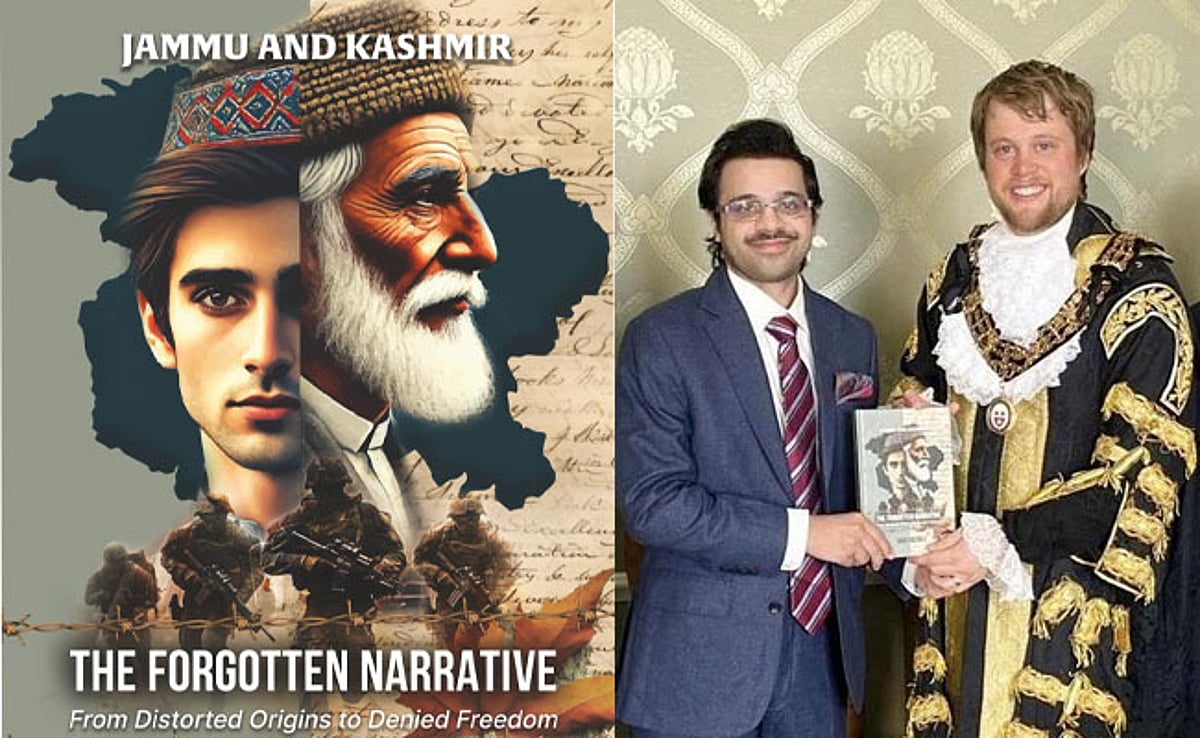
Jammu and Kashmir: The Forgotten Narrative provides a thought-provoking exploration of overlooked facets of history, shedding light on marginalized voices and untold stories. Despite some limitations in archival access and interpretive biases, the book serves as a catalyst for critical engagement rather than definitive conclusions.
Ultimately, the struggle for Kashmir transcends territorial disputes, encompassing a broader contest over memory and historical interpretation. As we navigate the complexities of this contested region, it is imperative to critically assess narratives and amplify marginalized perspectives for a more inclusive understanding of its past and present.
