
The Need for Fair Compensation and Support for Nurses in Private Hospitals
Healthcare professionals in Jammu and Kashmir, alongside their counterparts across India, observed a significant development in December 2023 when the local government issued an order to revise the pay and working conditions for nurses in private hospitals. This move aimed to bring local practices in line with a decade-old judicial mandate and service rules established by the Union Ministry of Health and Family Welfare.
Despite the formation of a committee to provide guidance within thirty days as per the order, there has been a notable absence of the committee’s findings and recommendations in the public domain. This absence has shed light on a longstanding issue that demands sustained public attention.
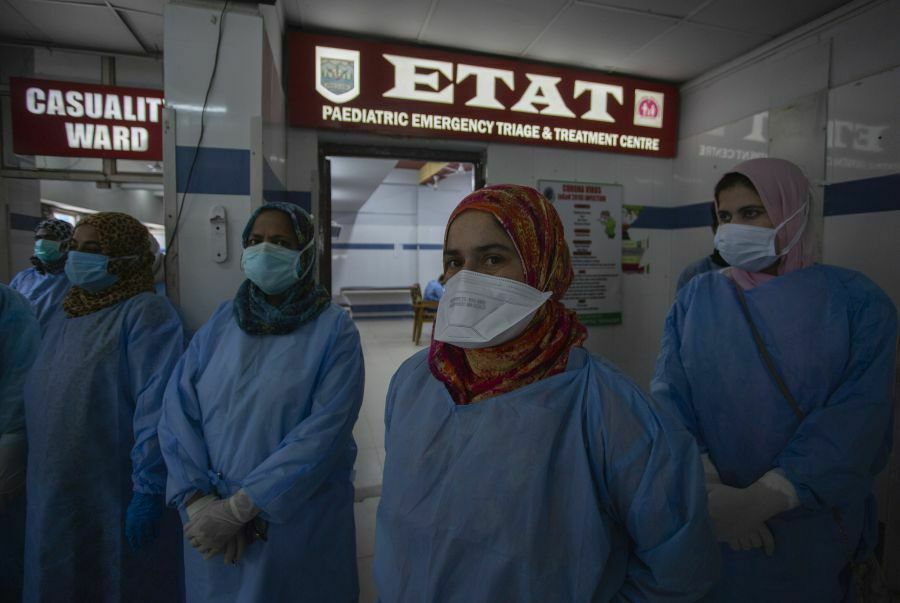
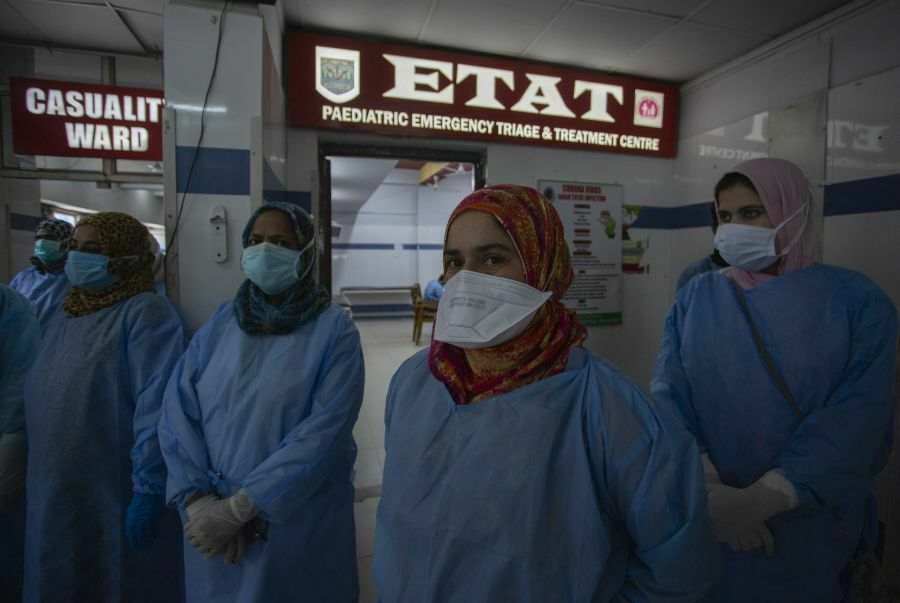
Nurses play a crucial role as the frontline caregivers, responding to emergencies, comforting worried family members, and executing critical procedures during long shifts.
While the average monthly salary for nurses in large private hospitals across India ranges from ₹20,000 to ₹50,000 based on experience and hospital size, nurses in Jammu and Kashmir reportedly earn around ₹22,000 per month. Some private duty nurses in the region receive similar rates.
These figures, however, only scratch the surface of the problem. Independent salary surveys conducted nationwide reveal significant variations in pay among private hospitals based on factors such as city location, bed capacity, and ownership. Smaller clinics and nursing homes often offer much lower wages, with some establishments paying below ₹20,000 per month. This poses a stark contrast to government hospital scales, where salaries for comparable roles often start at over ₹30,000.
Addressing Wage Disparities and Improving Working Conditions for Nurses
The issue of wage disparities and inadequate working conditions for nurses in private healthcare institutions gained national attention following a landmark decision by the Supreme Court on 29 January 2016. The Court recognized the prevailing challenges faced by nurses and directed the Health Ministry to establish a High-Level Committee to examine these issues and propose solutions.
Consequently, the Ministry formed a panel in February 2016 with the task of collecting data from states and union territories to recommend fair pay scales and standardized service terms to safeguard nurses working in private settings.
After thorough deliberation, the committee put forth concrete recommendations. It highlighted the lack of structured pay scales for nurses in private hospitals, emphasizing the need to recognize their critical role in patient care. The proposed pay frameworks were based on the bed strength of the facilities, with larger hospitals (200+ beds) advised to offer salaries equivalent to those of government nurses in the same grade.
For hospitals with 100-199 beds, the suggested pay was within 10 percent of government rates, while those with 50-99 beds were recommended to stay within a 25 percent margin. All establishments, including those with fewer than 50 beds, were instructed to provide a minimum of ₹20,000 per month, along with work conditions, leave entitlements, and additional benefits aligned with government standards.
Furthermore, the committee’s recommendations extended to improving working conditions, emphasizing the importance of ensuring duty hours, leave provisions, medical benefits, and transportation support that align with or approach the standards set for government nurses.
Challenges in Implementation and Impact on Nurses
Despite the comprehensive recommendations put forth by the committee, the implementation has not been robust or widespread. Private healthcare facilities in Kashmir operate on informal pay structures and fragile contracts, leaving nurses with limited bargaining power and subject to the whims of hospitals regarding wages.
Many young nursing professionals enter the workforce with qualifications and specialized training, only to discover that their earnings fall below the national average of ₹20,000 and well beneath the government-mandated scales for similar positions.
These disparities in compensation have far-reaching implications beyond financial remuneration. Research conducted in Indian hospitals indicates that the quality of work-life for nurses is directly linked to factors such as staffing levels, pay, and employer support. Nurses in private hospitals earning between ₹5,000 and ₹20,000 per month have reported lower job satisfaction and higher burnout rates compared to those with structured support and clearer remuneration.
The resulting workforce instability, characterized by high turnover rates and experienced nurses leaving for government roles or opportunities abroad, ultimately compromises the overall quality of patient care.
Reports from major Indian cities have highlighted instances where the total daily rates charged for nursing services in patient bills far exceed the actual monthly salaries received by nurses, indicating a disconnect in financial allocations within healthcare facilities.
Private hospitals in Jammu and Kashmir, like their counterparts across the country, operate in competitive and high-cost environments that necessitate swift service delivery. However, when coupled with lax regulatory oversight on wages and working conditions, this dynamic puts pressure on patient expenses while offering little in terms of support for nursing staff.
Advancing Towards Equitable Practices and Sustainable Healthcare Systems
The government’s recent order to review the pay and working conditions for nurses in private hospitals signifies a step towards acknowledging and rectifying these imbalances, aligning local practices with national standards. However, the delay in providing actionable guidelines and establishing transparent enforcement mechanisms deprives nurses of clear career progression pathways, perpetuates wage differentials, and sustains a system that undervalues the indispensable caregiving skills of nurses.
A concerted effort to implement existing frameworks, including transparent monitoring and periodic evaluation of pay scales linked to the cost of living and professional advancement, would not only demonstrate policy coherence but also reflect practical respect for the dedicated healthcare professionals who form the backbone of our health systems.
