
The Importance of Adding Value to Kashmir’s Agricultural Products
When it comes to agricultural competitiveness, Kashmir may not be able to match the United States in terms of scale, mechanization, subsidies, or logistics. However, the region has the potential to excel in producing high-value products that can bring economic prosperity.
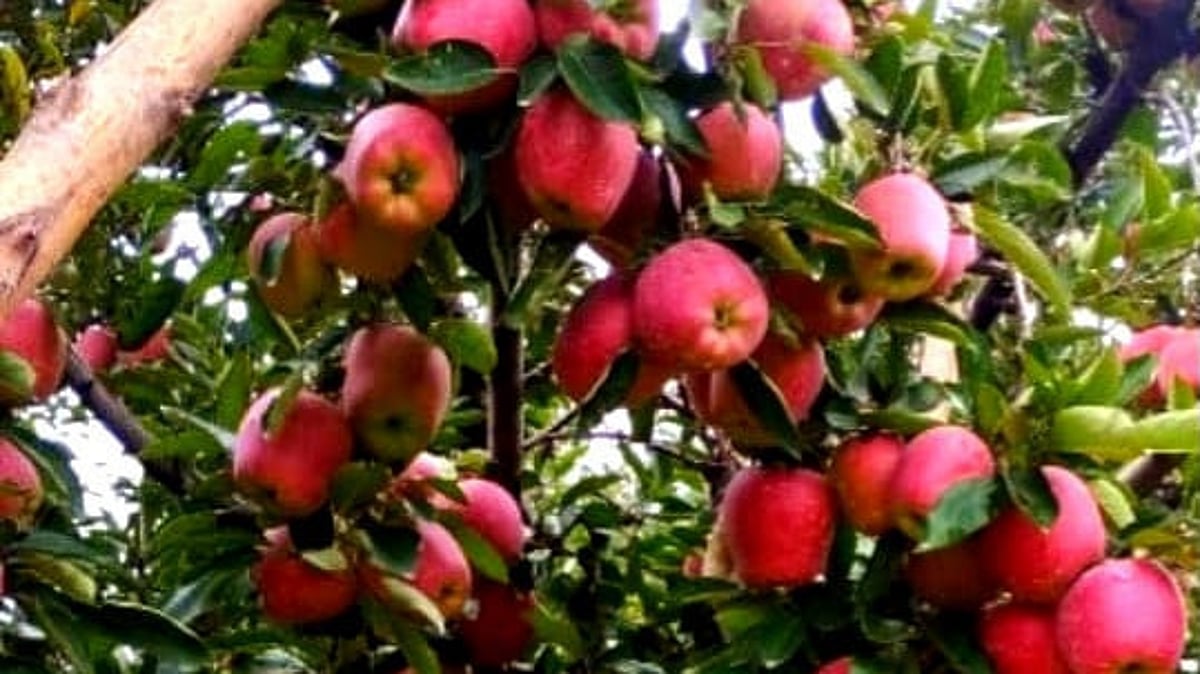
An example of this is the apple industry in Kashmir. While raw apples are considered low-margin commodities, value-added products such as apple concentrate, cider, dried fruit, and branded packaged goods can fetch higher prices and create more sustainable income streams for farmers.
Expanding beyond apples, Kashmir also produces strawberries, cherries, apricots, pears, plums, walnuts, almonds, and milk in significant quantities. Unfortunately, many of these products suffer from low prices due to a lack of storage, transport, and processing infrastructure.
For instance, strawberries in some districts face price crashes because of the inability to store or transport them over long distances. However, with proper processing facilities, these fruits could be turned into high-value products like jams, syrups, confectionery items, or premium exports.
Following the example of Switzerland, which focused on value-added products like cheese, butter, chocolate, and fruit preserves, Kashmir has the potential to transform its agricultural sector. By establishing processing clusters in fruit-producing districts, such as Shopian, Pulwama, Baramulla, Anantnag, Kulgam, Kupwara, and Budgam, Kashmir can reduce wastage, stabilize farmer incomes, create employment opportunities, and build export-oriented industries.
These processing clusters would not only benefit farmers but also allow Kashmir to compete in the global market by offering high-quality products like strawberry jams, cherry and apricot preserves, apple-nut energy bars, walnut chocolates, almond pralines, and premium dairy items to markets in tourism, the Middle East, Central Asia, and Europe.
However, it is essential to address the issue of protectionism to safeguard the interests of domestic farmers. By implementing measures such as minimum import prices and calibrated duties, Kashmir can prevent predatory pricing and market flooding, as seen in the case of retaliatory duties imposed between 2019-2023.
