
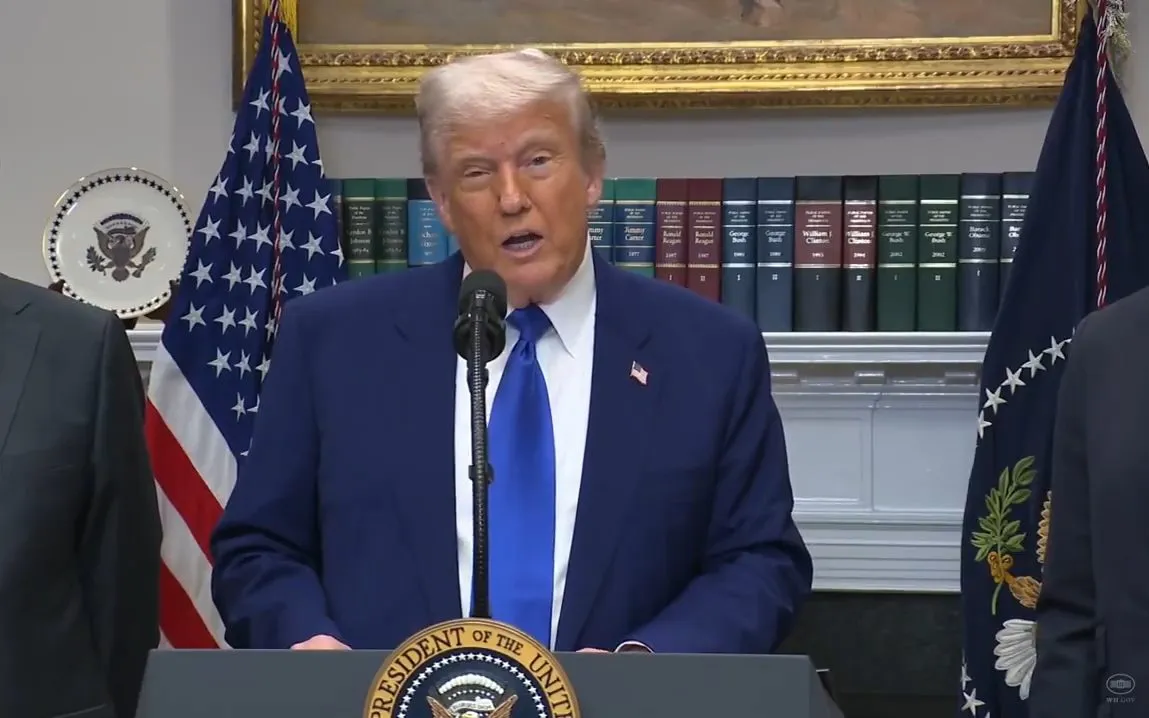
US President Donald Trump Expresses Interest in Greenland
During a recent meeting with top oil and gas executives, US President Donald Trump reiterated his claims of needing to take action regarding Greenland. He emphasized that if the US does not act, Russia and China could potentially seize control of the territory, and the US does not want to have them as neighbors. Trump stated that simply landing a boat in Greenland 500 years ago does not equate to ownership of the land.
Trump emphasized the urgency of the situation, stating, “We are going to do something on Greenland, whether they like it or not. If we don’t take action, Russia or China will take over Greenland, and we’re not going to have Russia or China as a neighbor. We need to make a deal, either the easy way or the hard way.”
He also acknowledged the historical relationship with Denmark, mentioning that the presence of boats in Greenland centuries ago does not signify ownership. Trump highlighted the strategic importance of Greenland, particularly in light of Russian and Chinese military activities in the region.
When questioned about the significance of “owning” Greenland, Trump emphasized the importance of ownership for defense purposes. He stated, “When we own it, we defend it. You don’t defend leases the same way. Countries must have ownership to defend it effectively. If we don’t act, China or Russia will. NATO needs to understand this, and I have played a crucial role in strengthening NATO.”
Trump’s renewed interest in Greenland stems from its abundance of natural resources, including rare earth minerals, uranium, and iron. The Trump administration views Greenland as a key component of its Arctic agenda and has revisited discussions about altering the territory’s status.
While Trump previously attempted to purchase Greenland in 2019, he was informed that it was not for sale. The concern about Russia and China asserting claims over foreign territories has been a recurring theme in Trump’s statements.
In a separate discussion about energy and environmental policies, Trump expressed disapproval of wind energy, citing concerns about its economic viability, impact on landscapes, and harm to birds. He highlighted China’s role in manufacturing windmills and criticized Europe for relying on Chinese-made wind turbines.
Trump’s recent actions include signing a memorandum to withdraw the United States from international organizations, conventions, and treaties deemed contrary to US interests. This decision affects various non-UN entities, including the International Solar Alliance, the International Union for Conservation of Nature, and the Intergovernmental Panel on Climate Change.
Overall, Trump’s statements reflect his administration’s focus on strategic interests, national defense, and energy policies. The dynamics surrounding Greenland, international relationships, and environmental considerations remain key aspects of the current political landscape.
