
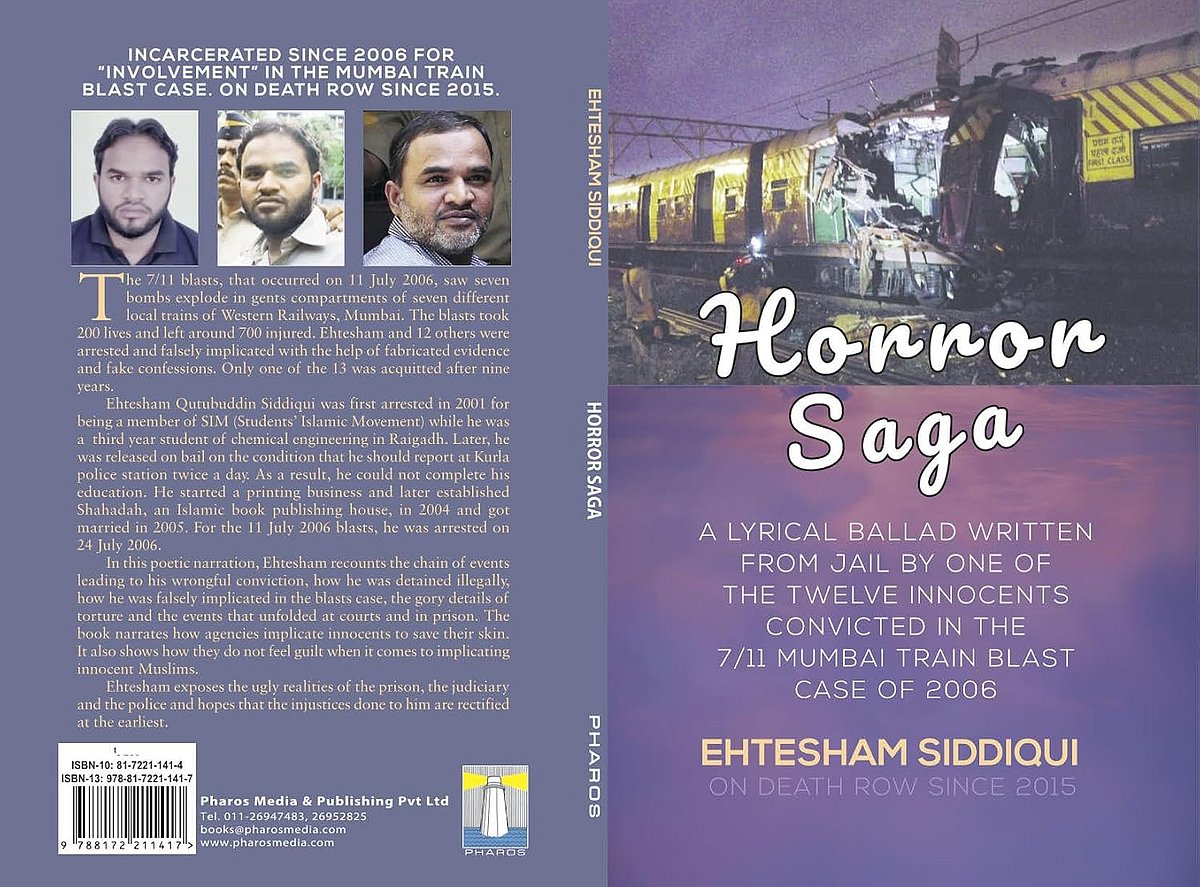
The Power of Words: Unveiling the Truth Behind a Tragic Tale
Unraveling a Scripted Tragedy
From the outset, Siddiqui crafts a narrative that is not left to chance but meticulously designed. The book opens with the foreword by Abdul Wahid Shaikh, a man who spent nine years behind bars before being acquitted. His warning sets the tone for what lies ahead, promising a story that is both captivating and harrowing, destined to leave a lasting impact on the reader’s core.
With unwavering certainty, Shaikh predicts that once you delve into the pages, you won’t be able to put the book down. For the faint-hearted, he cautions against even picking it up, emphasizing that what follows is not mere entertainment but a raw exposé.
In the preface, Siddiqui boldly asserts that his arrest was not a consequence of the bombings but rather a result of his unwavering faith in Islam. He highlights the disparity in treatment between Muslim and non-Muslim individuals implicated in terrorism-related cases, painting a stark picture of bias within the judicial system.
This stark contrast forms the crux of Siddiqui’s argument. He posits that the 7/11 case was cherry-picked for punitive measures precisely because the accused were Muslims, providing the state with a convenient scapegoat to portray as the embodiment of terrorism, all without facing significant political repercussions.
Through his lyrical ballad, Siddiqui seeks to shatter the silence imposed upon them. Post-conviction, public perception labels them as the true perpetrators, oblivious to the harsh realities of their ordeal. Thus, he pens this chilling “Horror Saga” to unveil the untold truths of their time in police custody, prison, and the grueling trial process in the Sessions Court. His aim is to expose the rampant corruption plaguing the prison system and judiciary, opting for verse as his chosen medium to recount their plight.
His vivid portrayal of judicial corruption is a testament to his unwavering commitment to truth. Despite his reluctance, Siddiqui’s conscience compels him to shed light on the dark realities pervading the judiciary. By staying true to his principles of honesty and transparency, he risks invoking ire from those confronted with his haunting narrative.
This deliberate choice holds significance. The ballad’s poetic form enables him to condense years of suffering into a poignant, structured narrative, with its refrains and rhythmic patterns serving as a poignant reminder to never forget the injustices endured.
