
PDP MLA Proposes Bill to Address Psychological Trauma in Jammu and Kashmir
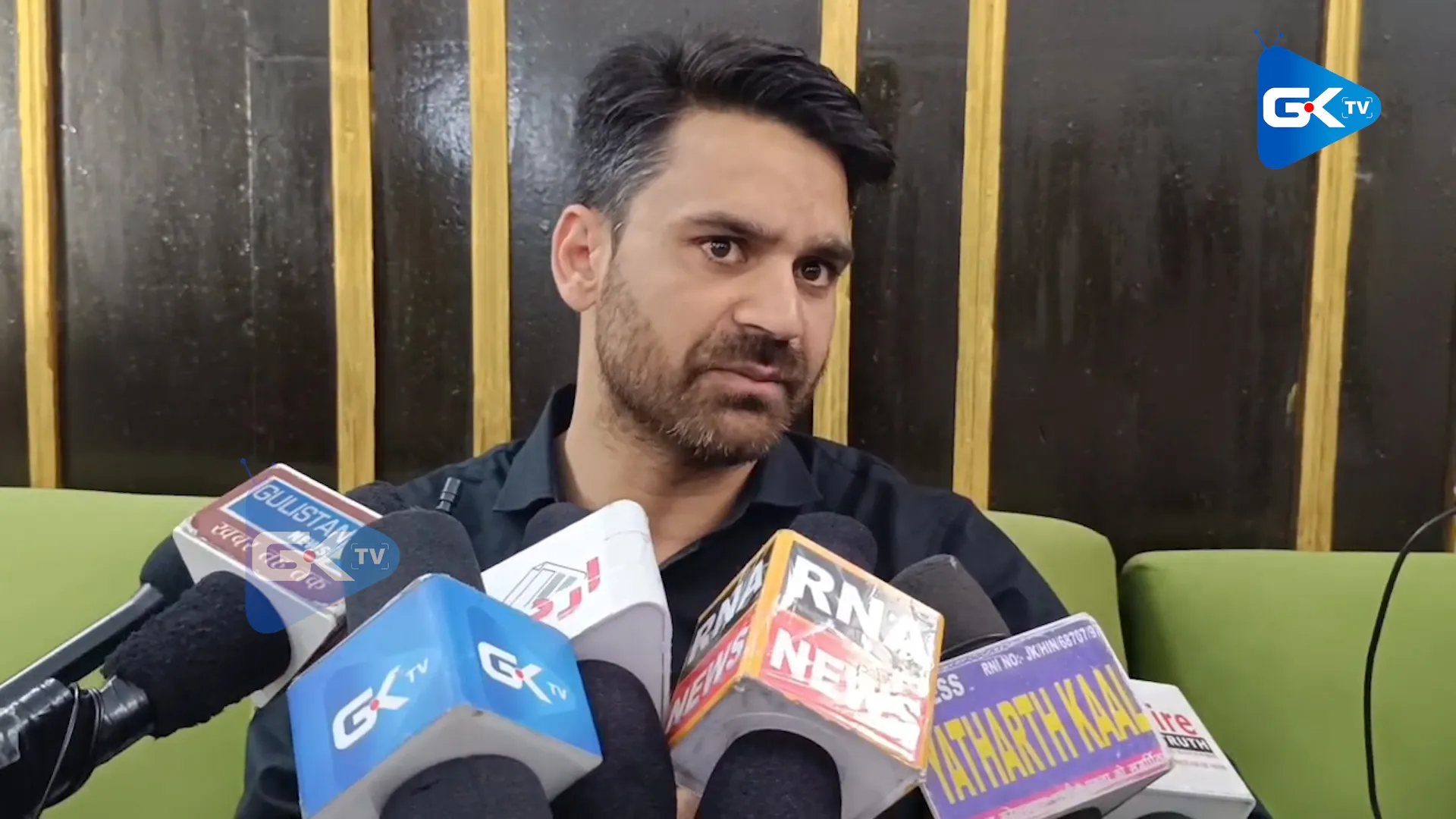
A notice has been submitted by PDP MLA Waheed Ur Rehman Para to introduce a private member bill during the upcoming Budget Session in Jammu and Kashmir. The bill aims to recognize and tackle the psychological trauma and social harm that have stemmed from decades of violence and instability in the region.
The proposed legislation, titled the “Jammu and Kashmir Reconciliation, Trauma Healing and Dignity Bill, 2026,” seeks to create a statutory framework for trauma healing, psychosocial rehabilitation, and restorative dialogue. It is designed to work in conjunction with the Mental Healthcare Act, 2017, and utilize existing public health institutions for these purposes.
Highlighting the history of violence, armed conflict, terrorism, and political turmoil in Jammu and Kashmir, the bill acknowledges the widespread psychological trauma, displacement, grief, and erosion of social trust that have resulted from these circumstances. While acknowledging the decrease in violence since 2019, the bill emphasizes the need for compassionate and forward-thinking measures to solidify peace in the region.
According to the bill, peace goes beyond the mere absence of violence and involves the ability of individuals, communities, and institutions to address grievances through peaceful and restorative means. It recognizes the differentiated human costs borne by various segments of society, including Kashmiri Muslims, Kashmiri Pandits, and members of the security forces.
The legislation stresses the importance of the right to life under Article 21 of the Constitution, which includes the right to live with dignity, mental well-being, and psychological integrity. It argues for a complementary statutory framework to address conflict-induced psychosocial trauma in Jammu and Kashmir.
The bill calls for the enactment of a humane, evidence-driven, non-partisan, and non-coercive legal framework for trauma healing, reconciliation, psychosocial well-being, and the promotion of stability and sustainable peace in the Union Territory. The J-K Department of Health is designated as the nodal authority for the implementation of the proposed law.
Under the bill, services will be voluntary, confidential, and based on informed consent, provided by qualified mental health professionals and trained personnel. These services will include counselling, grief and trauma recovery programs, family and community-based interventions, and professionally facilitated restorative dialogue to foster healing and social cohesion.
All measures outlined in the legislation will be humanitarian, non-political, and non-punitive, with affected individuals safeguarded from stigma, discrimination, or adverse consequences for seeking support. A financial memorandum attached to the bill estimates an initial expenditure of Rs 50 crore to strengthen mental health services, train professionals, implement community-based programs, and oversee monitoring, to be funded through budgetary allocations by the Union Territory government.
