
The Impact of Late-Night Eating on Digestive Health
By Amaar Mir
Many households in Kashmir have a cultural tradition of late-night dinners, rich in rice, meat, oil, and spice, followed by immediate sleep. However, this habit is leading to a growing wave of digestive illnesses affecting almost every family.
The human digestive system operates on an internal clock known as the circadian cycle, which regulates enzyme secretion, gut movement, hormone levels, and metabolic efficiency. Optimal digestion occurs during daylight and early evening, making late heavy meals detrimental to the natural rhythm.
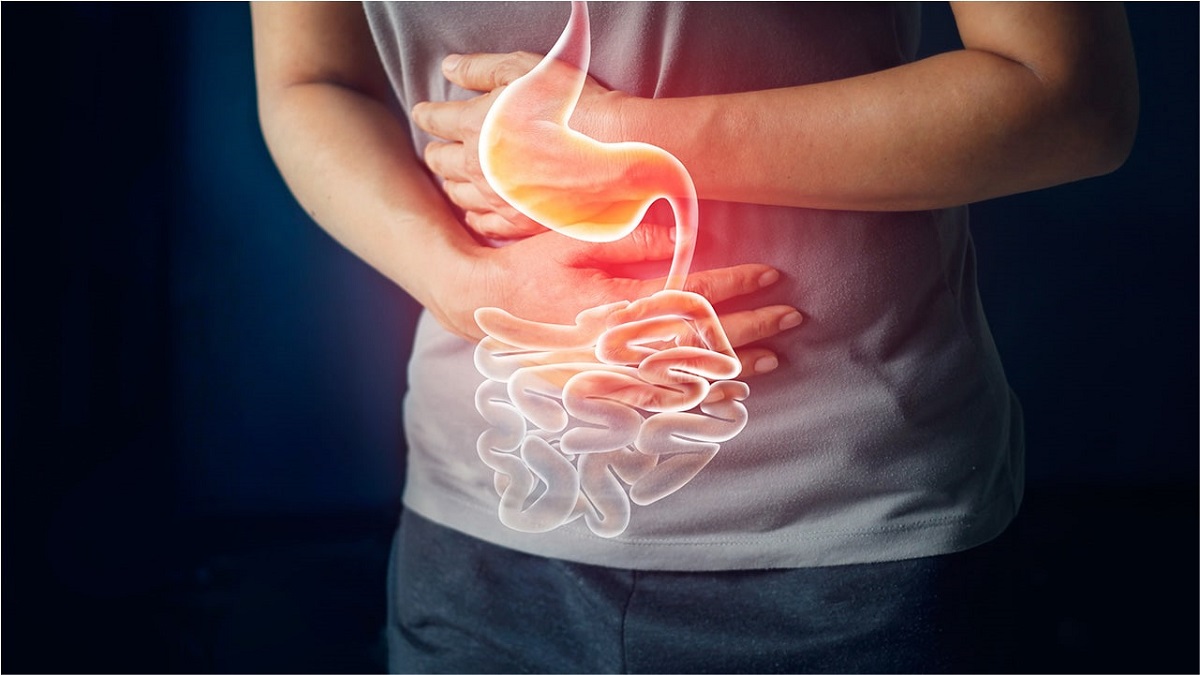
Continual late-night eating can result in bloating, acidity, gas, and other discomforts that, if left untreated, can progress into chronic conditions like gastritis and irritable bowel disorders.
Furthermore, lying down immediately after a late meal can lead to gastroesophageal reflux disorders, causing heartburn, chest discomfort, and throat irritation due to stomach acid moving upward.
Medical professionals recommend maintaining a two-hour gap between dinner and sleep, engaging in light physical activity post-meals, and avoiding heavy late dinners to support optimal digestion and overall health.
Islamic teachings also emphasize balance in eating habits and caution against late-night heavy meals followed by sleep, aligning with modern scientific understanding of digestive health.
It’s essential for families to adjust meal times to earlier hours, opt for lighter evening meals, and incorporate short walks after dinner to promote better digestion and overall well-being.
By making small daily changes in meal timing and composition, individuals can restore digestive balance, strengthen immunity, and enhance energy levels for generations to come.
- The author discusses public health, society, and faith. Contact him at [email protected].
Transform the following:
Original: “I am going to the store.”
Transformed: “I will be going to the store.”
