
The Rich Cultural Heritage of Delhi: Dehlvis and Siddiquis
For over eight decades, two prominent Muslim families have left an indelible mark on the cultural and intellectual landscape of Delhi – the Dehlvis and the Siddiquis.
The Dehlvi Family: Pioneers in Urdu Publications
At the forefront of the Dehlvi family was Mohammad Yusuf Dehlvi, a visionary who spearheaded some of the most influential Urdu publications of his time. His sons, namely Yunus Dehlvi, Idris Dehlvi, and Ilyas Dehlvi, played pivotal roles in magazines like Shama, Shabistan, Banu, and Khilona, shaping Urdu popular culture across the subcontinent. Notably, Sadia Dehlvi, daughter of Yunus Dehlvi, later emerged as a prominent writer and chronicler, continuing the family’s legacy.
The Siddiqui Family: A Beacon of Journalism and Activism
On the other side of the historic Lal Kuwan lies Ballimaran, the residence of the Siddiquis. Led by Maulana Abdul Waheed Siddiqui, a revered journalist and freedom movement activist, the Siddiqui family made significant contributions through Urdu publications like Huma and Huda. Shahid Siddiqui, the youngest among Maulana Waheed’s siblings, diversified into journalism, party politics, and diplomacy.
Shahid Siddiqui: A Man of Many Hats
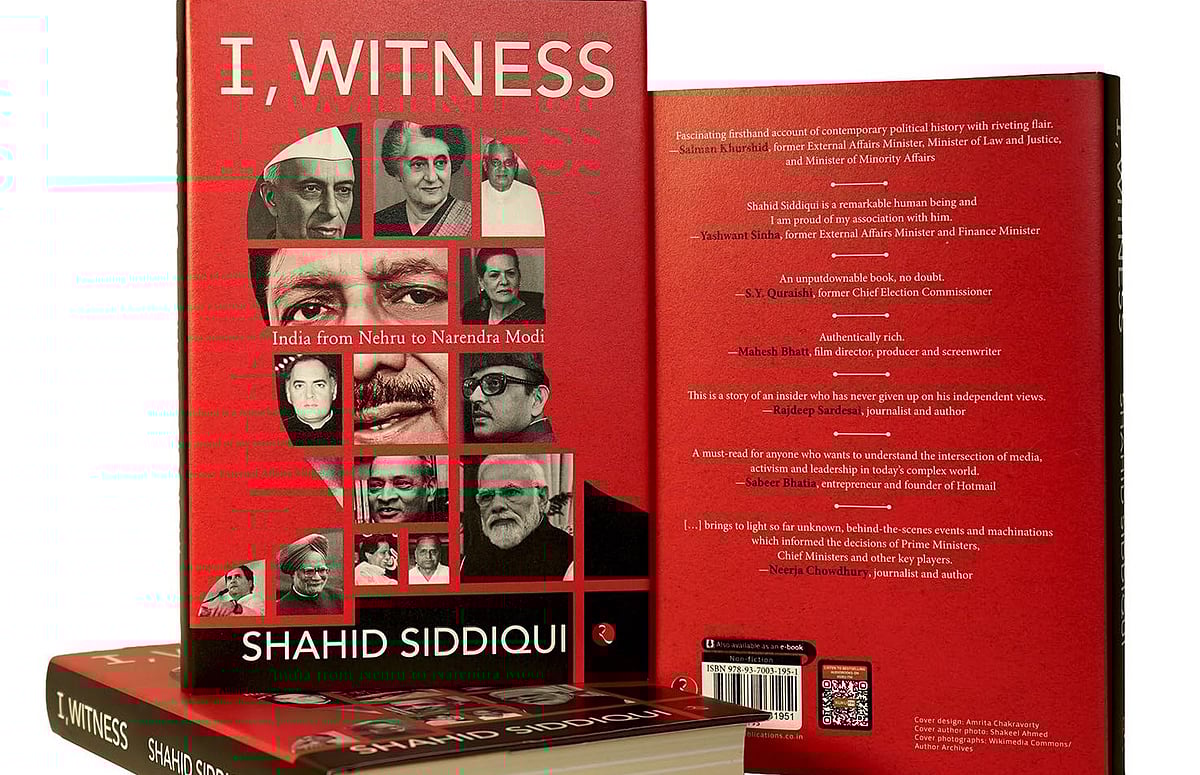
The multifaceted Shahid Siddiqui traversed through journalism, politics, and diplomacy over five decades. His latest book, “I, Witness: India from Nehru to Narendra Modi,” offers a unique blend of memoir, political chronicle, and personal testimony. Through firsthand accounts, Siddiqui delves into his interactions with prominent leaders including Indira Gandhi, Rajiv Gandhi, and Narendra Modi.
Unveiling Historical Truths and Inaccuracies
Siddiqui’s narrative, while rich in personal anecdotes, also raises questions about historical accuracy. For instance, his account of Nehru’s hesitation to send troops to Kashmir in 1947 is challenged by archival evidence. The book’s portrayal of political events, such as the Jammu and Kashmir elections of 1983, reflects a nuanced perspective marred by personal biases.
Legacy and Lessons for the Present
As we unravel the intertwined legacies of the Dehlvis and Siddiquis, it becomes evident that their stories hold valuable insights for contemporary India. The evolution of journalism, politics, and power dynamics over the decades underscores the complexity of our shared history.
