
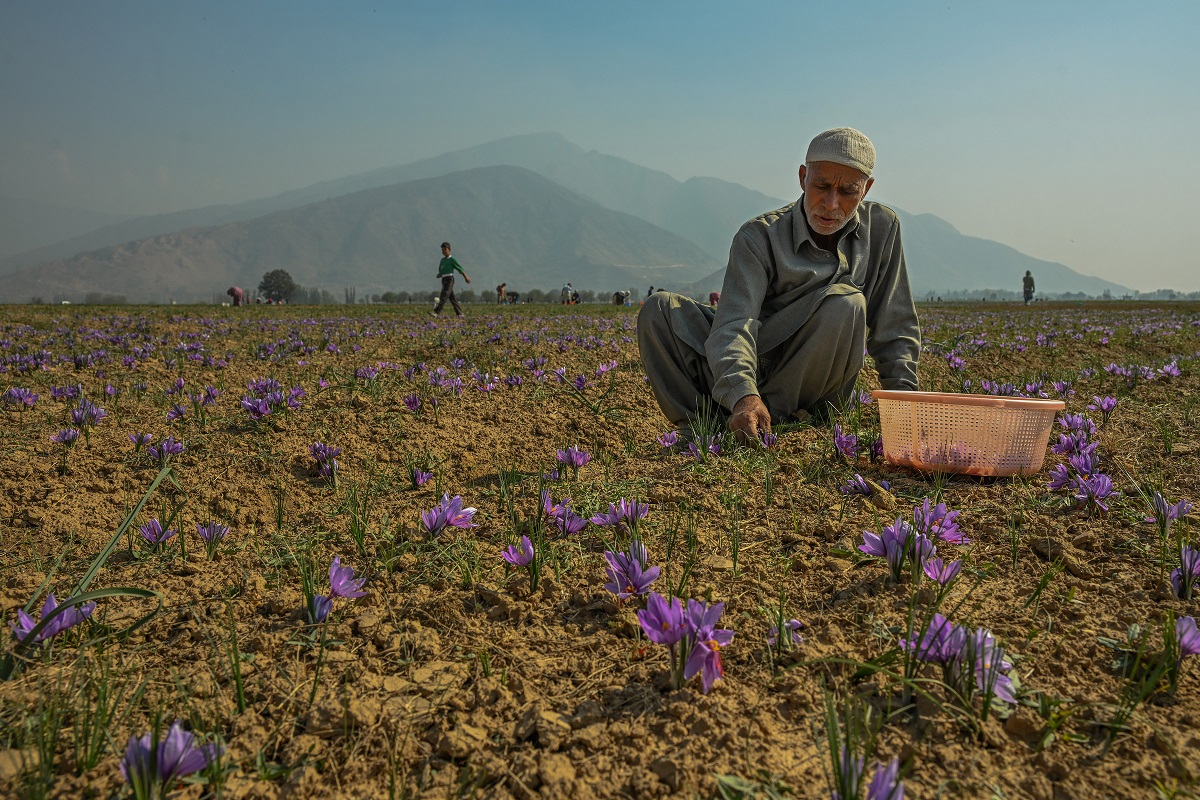
Unlocking the Potential of Kashmir’s Saffron Industry
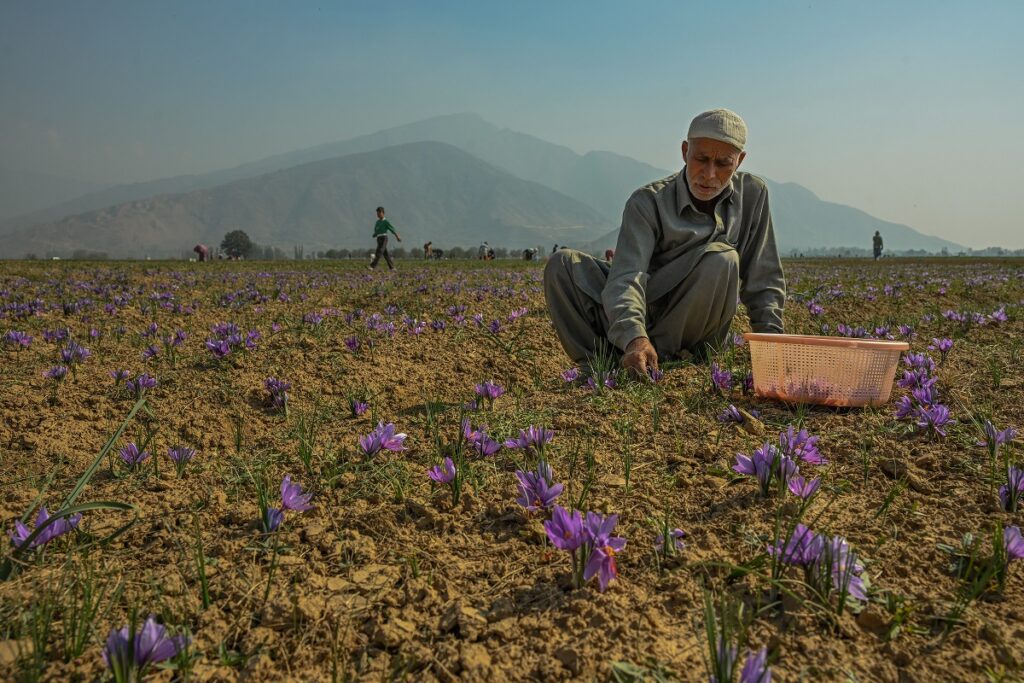
Written by Mumin Nabi Zargar
A delegation of Iranian scientists recently visited Pampore, shedding light on the challenges faced by Kashmir’s saffron industry. The stark contrast between the saffron systems in Iran and Kashmir became evident during their visit.
The Iranian experts emphasized the need for improved systems and practices in Kashmir to enhance saffron production, which has been on a steady decline in recent years.
Despite the undeniable quality of Kashmiri saffron, the lack of efficient systems and support structures has hindered its potential for growth. The visit highlighted the importance of bridging the gap between traditional farming practices and modern agricultural techniques.
One of the key issues identified during the visit was the lack of access to essential information for farmers. While solutions like drip irrigation and pest control methods exist, farmers often struggle to implement them effectively due to a lack of clear guidance.
The decline in saffron production in Kashmir can be attributed to various factors, including climate change, urbanization, limited irrigation infrastructure, and the absence of quality seeds. Years of unsuccessful government initiatives have further exacerbated the situation.
Efforts to revitalize the saffron industry in Kashmir have been hampered by a lack of coordinated action and a disconnect between farmers and policymakers. The need for a more collaborative approach that empowers farmers with knowledge and resources is crucial for the industry’s revival.
While technology can play a significant role in improving saffron cultivation, it must be accessible and tailored to the specific needs of small-scale farmers. Real-time soil monitoring, for example, can help farmers make informed decisions and optimize their yield.
Young farmers hold the key to the future of saffron cultivation in Kashmir. By leveraging research, training, and community engagement, they can revitalize the industry and preserve its cultural significance.
With the right support and infrastructure in place, Kashmir’s saffron industry has the potential to thrive once again. By learning from the experiences of countries like Iran and adopting best practices, Kashmir can reclaim its position as a leading saffron producer.
- The author is the founder and CEO of AgroSenTech, a student-led agri-sensing company working on smart soil monitoring systems for saffron cultivation.
