
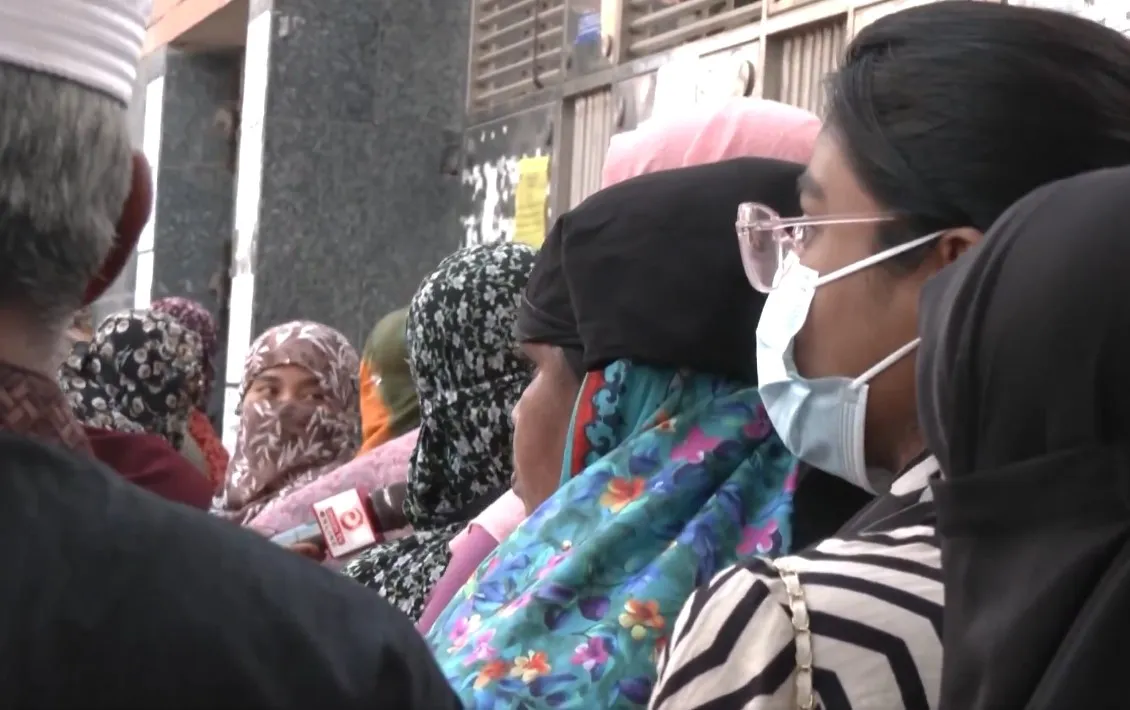
Bangladesh Parliamentary Election: A Turning Point for the Nation
In a bid to reshape the political landscape of Bangladesh after years of turmoil, the country is gearing up for a crucial parliamentary election. This election marks a significant moment in the country’s history, being the first one since the ousting of former Prime Minister Sheikh Hasina in 2024 due to deadly protests. The outcome of this election is pivotal for ensuring stable governance in the nation.
Key Facts and Figures About the Election:
- 127 million eligible voters, including 5 million first-time voters: With over 127 million eligible voters in a population of approximately 170 million, the election is set to witness a massive turnout. Among them, 5 million are first-time voters, reflecting the youth’s active participation in shaping the future of the country.
- 800,000 staff at polling stations: The election is being conducted across 42,779 polling stations, with a workforce of around 800,000 officials overseeing the process. The interim administration, led by Nobel Peace Prize laureate Muhammad Yunus, is committed to ensuring free, fair, and peaceful elections, with the deployment of 900,000 security personnel.
- A five-year term government to be established: The national legislature comprises 350 lawmakers, with 300 directly elected from single-member constituencies and an additional 50 seats reserved for women. Each Parliament serves a five-year term, with voting taking place in 299 constituencies.
- Largely a 2-way contest: While 50 parties are contesting the polls, the election is mainly a two-way contest between the Bangladesh Nationalist Party and an 11-party alliance led by the Jamaat-e-Islami. Tarique Rahman, son of former Prime Minister Khaleda Zia, is a prominent contender for leading the next government.
- The past 3 elections were controversial: The election marks the 13th since Bangladesh gained independence in 1971. The previous elections under Hasina’s administration were marred by controversies, with allegations of rigging and boycotts by major opponents. The electoral system follows a first-past-the-post multiparty system.
As Bangladesh braces for this crucial election, the hopes and aspirations of millions of citizens rest on the outcome. The country’s political landscape is on the brink of transformation, and the decisions made in this election will shape the future trajectory of Bangladesh’s governance.
