
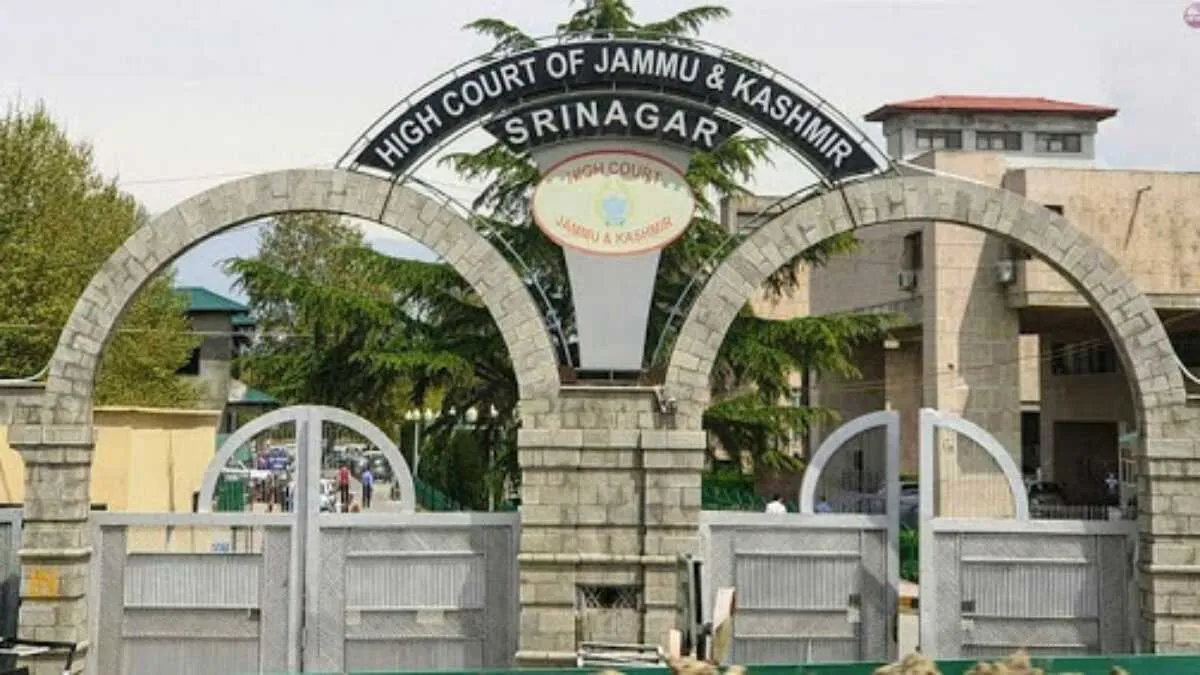
J&K High Court Rules on Roshni Act Case: Implications for Public Servants and Beneficiaries
On January 30, the High Court of J&K and Ladakh made a significant ruling regarding the Roshni Act, declaring it unconstitutional. This ruling, however, does not automatically absolve public servants and beneficiaries from prosecution under the Prevention of Corruption (PC) Act.
The court emphasized that criminal proceedings can still proceed if evidence of corrupt intent or undue benefit is found. In cases where no such evidence exists, the court quashed criminal proceedings.
A group of senior officers and beneficiaries had challenged their prosecution, arguing that the nullification of the Roshni Act by the Division Bench rendered any prosecution against them legally unsustainable. They also contended that alleged offenses under the PC Act and other laws were not valid.
The petitioners claimed that any breaches of procedure they may have committed were minor and did not warrant prosecution. Investigations initiated by the CBI as per the Division Bench’s directions led to FIRs being registered, prompting the legal challenge.
Justice Sanjay Dhar, presiding over the case, clarified that criminal liability under the PC Act could still apply if acts of bribery, abuse of official position, or conspiracy were proven. The accused were not being prosecuted for Roshni Act violations but for alleged criminal misconduct under the PC Act.
The court highlighted that even though the Roshni Act was deemed unconstitutional, public servants engaging in bribery or illegal activities under the guise of implementing the act could still face prosecution.
Regarding the return of State land vested in the accused, the court stated that surrendering the land did not absolve them of criminal charges if they had unlawfully obtained proprietary rights through illicit means.
The CBI investigations, stemming from the previous judgment on the Roshni Act, were deemed essential by the court to uncover criminality and uphold the rule of law.
While the court upheld the need for investigation and prosecution where criminal conduct was evident, it granted relief to certain public servants involved in land allotments due to a lack of evidence showing corrupt intent or personal gain.
The court stressed that for an offense of criminal misconduct to be established, there must be clear evidence of corrupt behavior or abuse of position by public servants. Trivial procedural errors were not sufficient to warrant criminal liability.
Ultimately, the court underscored the importance of establishing fundamental facts before prosecuting public servants for minor discrepancies in application forms.
