
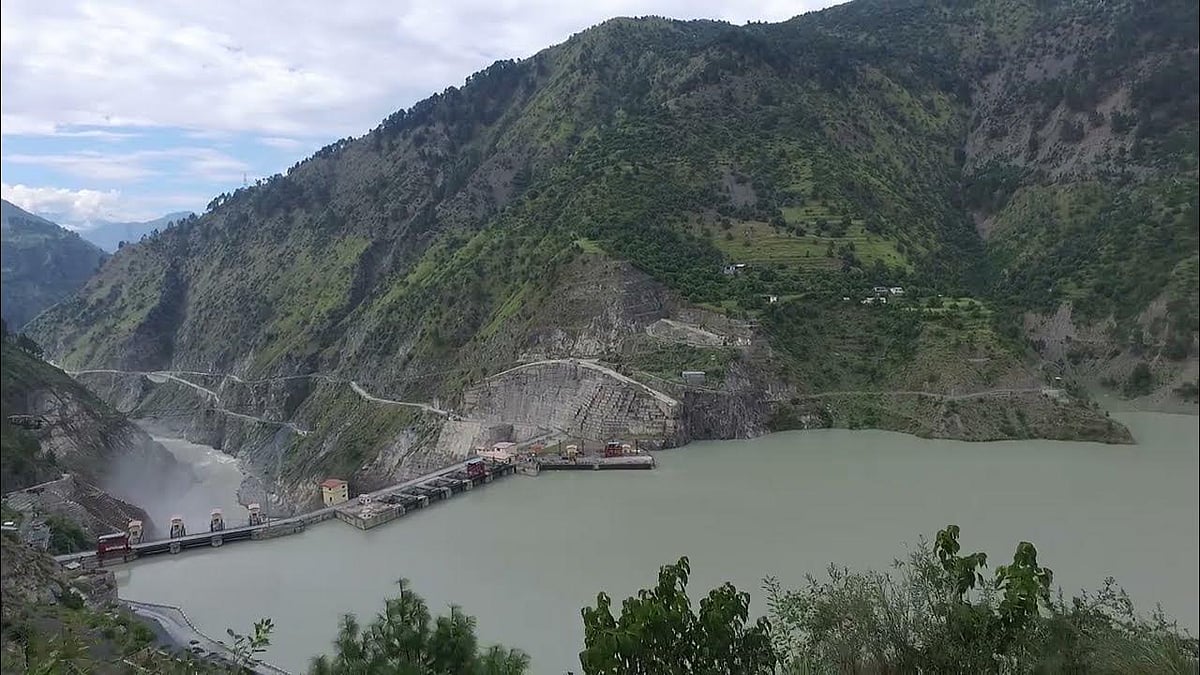
The Growing Significance of Hydropower Projects on the Chenab River
Hydropower projects on the Chenab River have long been viewed through the lens of technical, environmental, or developmental progress. However, beneath the surface lies a more ominous reality: the emergence of water-security tensions as a new facet of the age-old India-Pakistan conflict.
In the South Asian region, where rivers are the lifeblood of communities, the unilateral harnessing or strategic manipulation of water resources can have far-reaching consequences that extend beyond the realm of dams and treaties.
During a diplomatic visit to Pakistan in 2023, I had the opportunity to discuss these concerns with former Prime Minister Imran Khan. I posed a scenario where India could exert pressure by controlling water flows from Kashmir’s rivers. His response was illuminating, highlighting Pakistan’s commitment to restraint even in the face of escalating tensions.
However, the dynamics have since shifted. The current army chief, General Asim Munir, has adopted a more assertive stance, warning against continued unilateral actions in the water domain. The notion that countries can absorb strategic shocks indefinitely is becoming obsolete, with the risk of miscalculation growing ever narrower.
Water disputes are particularly perilous as they limit diplomatic flexibility. While borders can be negotiated, water shortages pose immediate threats to agriculture, food security, and livelihoods, leaving little room for political maneuvering. History has shown that once water issues are securitized, they tend to escalate rather than de-escalate.
The recent surge in hydropower projects must be viewed in the context of post-2019 developments. Following the revocation of Jammu and Kashmir’s autonomy, initiatives on rivers like the Chenab are not standalone endeavors but integral components of a broader strategy. Control over rivers equates to control over future trajectories.
