
January
On January 1, police in Awantipora, Pulwama, detained four alleged Jaish-e-Mohammad associates for their involvement in logistics support and arms movement.
Prime Minister Narendra Modi inaugurated the Sonamarg tunnel project (Z-Morh) on January 13, emphasizing the strategic and tourism benefits of providing all-weather access to Sonamarg and Ladakh.
An encounter took place in Sopore, Baramulla, on January 19, while security forces discovered an old mortar shell near the International Border in Samba.
Tragically, a Rashtriya Rifles soldier lost his life in the Sopore gunfight on January 20, and an improvised explosive device in Poonch was successfully defused by security forces.
February
Security forces initiated multiple anti-militancy operations across Rajouri and Poonch, including Manjakote, on February 1.
A ceasefire violation along the Line of Control in Poonch was recorded on February 12, as part of a series of intermittent cross-border firings.
March
On March 7, the J&K government presented its budget for 2025-26, focusing on capital expenditure and infrastructure-led growth amidst calls from opposition and civil society for clarity on political commitments.
A significant gunfight in Kathua on March 27 resulted in the deaths of four policemen and two alleged PAFF militants, with several others sustaining injuries.
April
A cloudburst in Ramban on April 20 led to flash floods and landslides, claiming the lives of at least three individuals and causing highway closures and rescue operations.
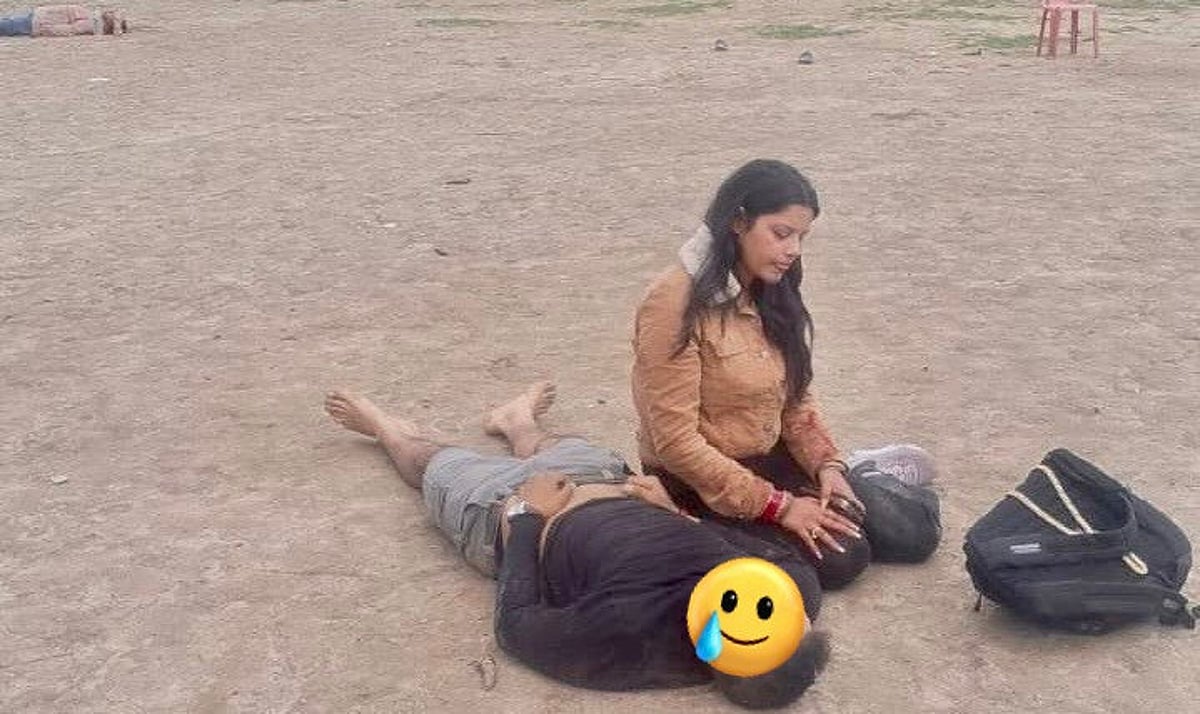
Tragedy struck on April 22 when gunmen attacked tourists in Baisaran Valley near Pahalgam, resulting in the deaths of 26 civilians in the most fatal incident of the year. This incident prompted a widespread security clampdown and a large-scale manhunt.
From April 25 to 30, ceasefire violations were reported along the Line of Control, with Indian forces responding with retaliatory fire and increased vigilance.
May
India conducted strikes on targets in Pakistan and Pakistan-administered areas following the Pahalgam massacre on May 7-8, leading to a significant escalation in tensions between the two countries.
On May 11, the State Investigation Agency conducted coordinated searches at various locations to target sleeper cells and overground worker networks.
June
Modi inaugurated the Kashmir rail link, including the Chenab bridge and new Vande Bharat services, on June 6, marking a milestone in connecting the Valley with India’s plains and enhancing travel and commerce logistics.
Throughout June, counter-militancy operations persisted alongside heightened checkpoints and intelligence sweeps in Jammu and the Valley.
July
On July 29, the Union home minister announced the success of “Operation Mahadev,” which resulted in the neutralization of three militants linked to the Pahalgam attack, providing closure to the April massacre case.
By late July, criticism of governance within the ruling National Conference mounted over delays in addressing detainee issues, statehood concerns, employment opportunities, and civil liberties.
August
On August 5, the J&K home department issued an order banning the circulation of 25 books deemed to promote secessionism and radicalization, leading to police raids and seizures and sparking a backlash against censorship.
A deadly flash flood triggered by a cloudburst in Kishtwar on August 14 resulted in significant casualties and extensive rescue efforts along the Machail Mata pilgrimage route.
Further landslides and a cloudburst in Reasi and Ramban on August 30 highlighted the ongoing vulnerability to monsoon-related disasters.
September
Yasin Malik’s affidavit filed in the Delhi High Court during proceedings related to the National Investigation Agency’s sentencing enhancement efforts sparked political and media controversies within and beyond Kashmir.
Throughout September, recruitment notifications and category-wise allocations continued to fuel anger among open merit aspirants, intensifying the reservation controversy.
October
Pressure mounted on the Omar Abdullah government in early October as student groups and political opponents demanded a deadline for “rationalization” of reservation rules and increased clarity on implementation.
Security agencies conducted operations in forest and border areas in late October, focusing on infiltration routes and districts in Jammu with higher security threats as winter approached.
November
PDP’s Aga Syed Muntazir Mehdi emerged as the winner of the Budgam Assembly by-election on November 14, dealing a significant blow to the ruling party.
UN experts expressed alarm over alleged human rights violations in Indian counter-terrorism actions following the Pahalgam attack on November 24, urging adherence to international law while condemning the April massacre.
Delhi High Court hearings in the Yasin Malik case continued to draw attention in late November as the NIA pursued its case and the court’s schedule moved towards early 2026.
December
On December 3, the J&K cabinet recommended changes aimed at “rationalizing” reservation policies, sparking concerns among open merit aspirants and factions of the ruling coalition regarding potential unrest if recruitment proceeded without reforms.
The cabinet approved a policy on December 22 to allocate five-marla plots to families affected by floods and landslides, along with financial support measures for cooperative banks.
Notably, district administrations expanded suspensions of virtual private network services in parts of Jammu division on December 26, citing security reasons. Additionally, Mirwaiz Umar Farooq removed the “Hurriyat chairman” designation from his profile on the same day, attributing the change to authorities and prompting discussions about the shrinking separatist political space.
