
The Structural Vulnerability of Jammu and Kashmir
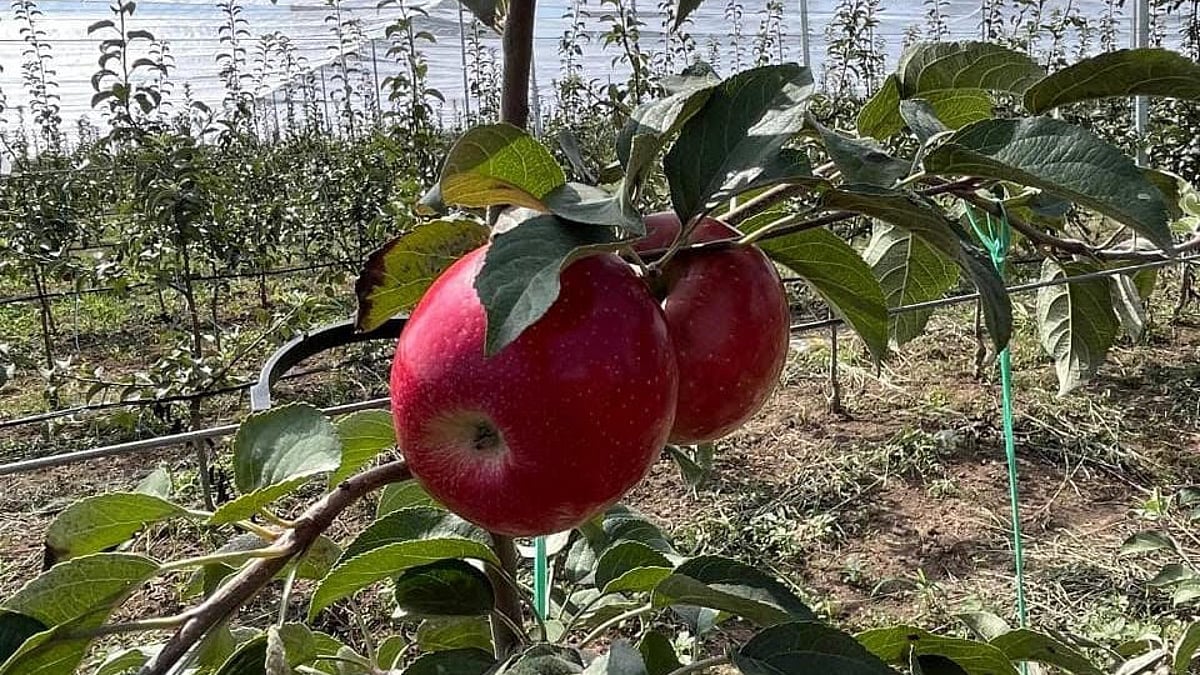
Jammu and Kashmir’s vulnerability stems from its structural economic makeup. Unlike industrial buffer economies, the region relies heavily on agriculture and horticulture. While agriculture contributes significantly to India’s GDP, the dependency on these sectors is even higher in rural districts of Jammu and Kashmir. Apples play a crucial role in the region’s economy.
With Jammu and Kashmir contributing a substantial portion of India’s apple production, the sector supports a large number of families directly and indirectly. Seasonal jobs in harvesting, grading, packing, and transport are generated, contributing to rural cash circulation. However, the orchards in the region are small and fragmented, leading to higher production costs per unit compared to imported apples.
Imported apples, with lower logistics costs per unit, often outcompete local produce due to small price differences. This competition has already impacted local prices in the past. Additionally, seasonal fluctuations in apple markets can lead to oversupply and undercutting of prices, affecting the profitability of growers.
Despite being a primary income source in Jammu and Kashmir, apples are not a diversified crop. Even small price fluctuations can result in significant losses for growers. The argument that rising demand will absorb imports overlooks the market behavior where traders prioritize margins and consistency, favoring cheaper imported produce.
Factors like tariff easing on soybean oil and dried distillers’ grains indirectly affect the region’s orchards by reducing demand for domestic products and shifting producers towards lower-cost inputs. This income compression ripples through various sectors of the rural economy, highlighting the interconnectedness of agricultural economies.
Jammu and Kashmir’s growers face structural disadvantages such as higher transport costs, limited cold storage capacity, seasonal gluts, post-harvest losses, climatic volatility, and rising pest management costs. Trade liberalization exposes high-cost producers to competition from larger, mechanized, and subsidized suppliers, leading to margin erosion instead of efficiency correction.
