
Muscat Hosts High-Stakes US-Iran Talks on Nuclear Deal
In a significant diplomatic development, Iran and the United States have initiated crucial negotiations in Oman, aiming to revive a fragile diplomatic channel amidst escalating tensions and military posturing that had heightened concerns of a potential conflict.
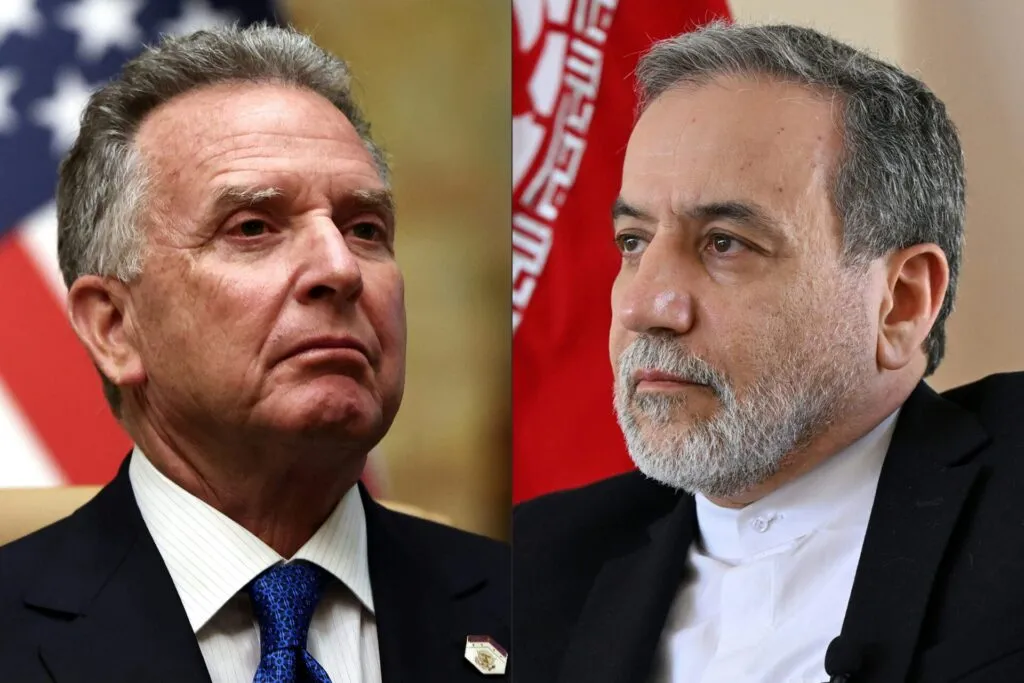
Leading Tehran’s delegation is Foreign Minister Abbas Araghchi, while the US is represented by special envoy Steve Witkoff and presidential adviser Jared Kushner.
According to Iranian officials, the talks are exclusively focused on the nuclear file, with the primary objective being to achieve a “fair, mutually satisfactory, and honorable agreement.” Tehran has made it clear that it will not entertain discussions on regional security or missile issues.
Arriving in Muscat for the negotiations, Araghchi emphasized Iran’s readiness to engage in good faith while remaining steadfast in asserting its rights. He outlined the principles of “equal standing, mutual respect, and mutual interest” as essential components of any sustainable agreement.
The US approach appears to encompass broader considerations. While President Donald Trump prefers diplomacy, the White House has cautioned Iran against disregarding the “many options” available to Washington. American officials are advocating for limitations beyond uranium enrichment, including constraints on Iran’s missile program and regional activities, demands that Tehran has consistently rebuffed as encroachments on its sovereignty.
Oman’s role as the host underscores the underlying distrust between the two parties. The venue was shifted to Muscat following Iran’s objection to the initial plan of holding the talks in Istanbul, briefly raising concerns of a potential breakdown in the process. Regional stakeholders such as Saudi Arabia, Qatar, Egypt, the United Arab Emirates, and Pakistan are quietly supporting sustained dialogue, with some proposing the concept of a broader non-aggression framework. However, analysts note that involving Israel in such an arrangement would present significant challenges.
The negotiations are unfolding against a backdrop of heightened tensions. The US has bolstered its military presence in West Asia, while Iran has showcased its new missile capabilities. Recent memories of direct hostilities from the past year, including Israeli and US strikes on Iranian targets followed by retaliatory actions from Tehran, have heightened regional anxieties.
Diplomats from both sides view the talks in Muscat as a critical yet narrow opening. The outcome of this renewed engagement, whether it leads to a pathway for compromise or reverts to confrontation, could shape the course of US-Iran relations and regional stability in the coming months.
