
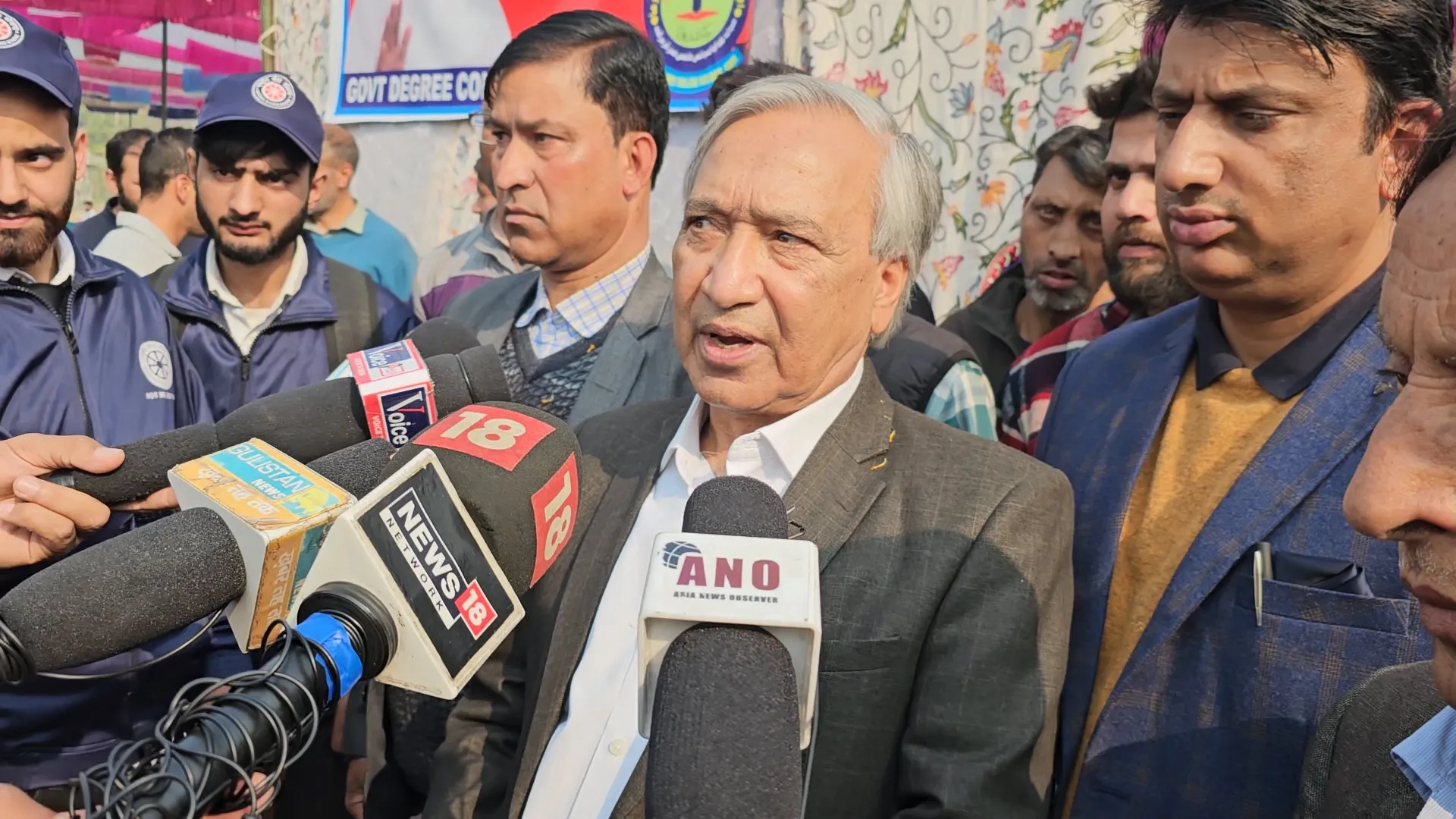
CPI(M) Leader Criticizes India-US Trade Deal for Impact on Agriculture and Jammu & Kashmir Economy
During a discussion on the Budget in the Assembly, CPI(M) leader M Y Tarigami expressed strong opposition to the recent India-US trade deal, stating that it would have detrimental effects on India’s agricultural sector and specifically impact the economy of Jammu and Kashmir.
Tarigami raised concerns about the trade agreement compromising national sovereignty by favoring American interests over Indian farmers, particularly those growing apples, peanuts, and soybeans. He highlighted the lack of protective barriers for Indian agricultural products against unfair competition from the US.
Referring to a meeting where the trade deal was discussed, Tarigami criticized the Indian government for agreeing to US demands, including halting oil purchases from Russia. He emphasized that such agreements would severely impact Indian farmers and questioned the lack of safeguards in place.
He pointed out the imbalance in tariffs, with American goods entering India duty-free while Indian products faced an 18% tariff in the US market. Tarigami warned that this trade deal could have a significant negative impact on the agricultural sector, especially without a guaranteed Minimum Support Price for farmers.
Discussing the economic situation in Jammu and Kashmir, Tarigami highlighted the region’s dependence on central funds due to the loss of fiscal autonomy. He called for a more balanced approach to industrialization across all regions to address existing disparities and promote inclusive growth.
He also raised concerns about regional discrimination in industrial infrastructure development, with a disproportionate allocation of industrial land favoring Jammu over Kashmir. Tarigami emphasized the need for equitable industrial growth in all areas to address economic disparities.
Addressing the challenges faced by daily wagers and casual laborers, Tarigami stressed the importance of regularizing their employment in a timely manner. He called for a stronger focus on internal resource mobilization and support for local economic activities to boost the region’s economy.
Highlighting the difficulties faced by farmers in Jammu and Kashmir, including crop losses due to natural disasters and highway blockades, Tarigami advocated for adequate compensation and relief measures, such as one-time remission of Kisan Credit Card loans.
In addition, he emphasized the need for improved social security measures for scheme workers, including fair honorarium for Anganwadi workers and helpers. Tarigami also called for better compensation for special police officers, nambardars, and chowkidars who provide essential services in the community.
