
Jammu and Kashmir Reopens Tourist Destinations After Pahalgam Terror Attack
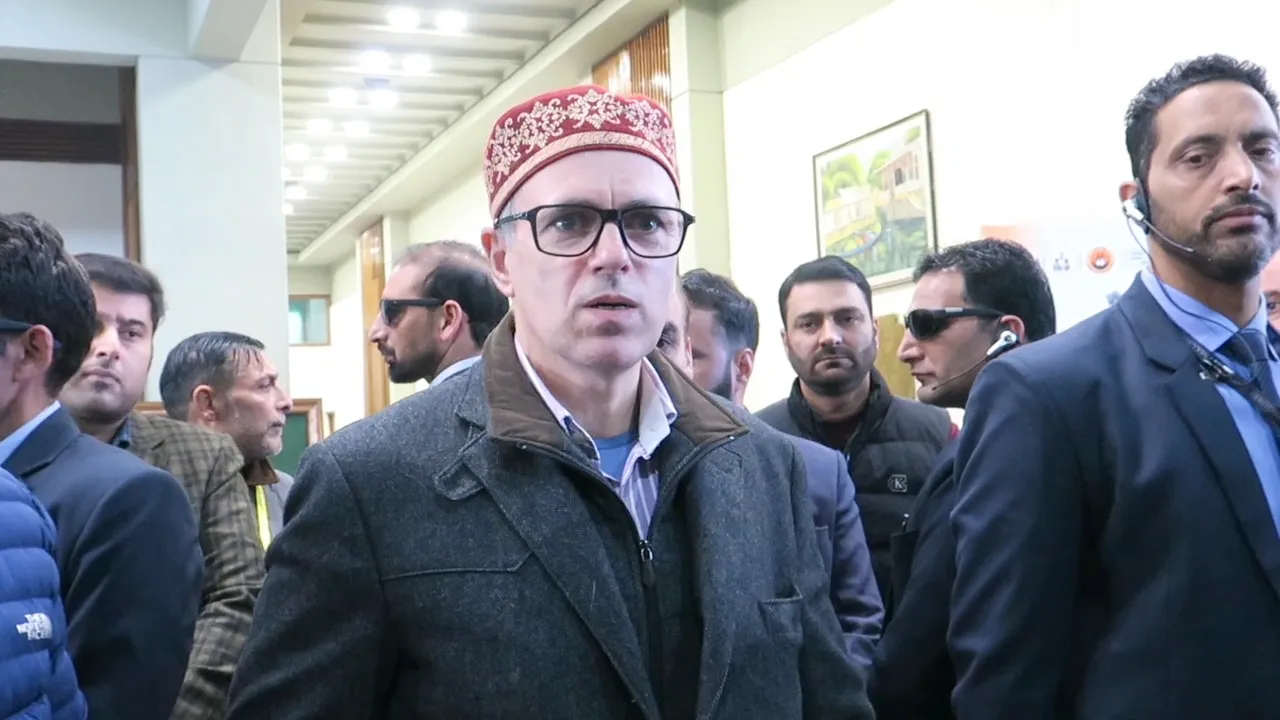
The Chief Minister of Jammu and Kashmir, Omar Abdullah, expressed his gratitude to Union Home Minister Amit Shah for the decision to reopen 14 tourist destinations in the Union Territory. These destinations had been closed since April last year following the Pahalgam terror attack.
Abdullah revealed that he had discussions with the Union home minister regarding the reopening of these areas, emphasizing that there was no benefit in keeping them closed. He appreciated Shah’s assurance that the places would be reopened, stating that the closure had caused losses to the local people.
Following the orders issued by the lieutenant governor, 11 tourist destinations in Kashmir and three in the Jammu region have been reopened. These locations were among the 80 places that were shut down for visitors after the tragic Pahalgam terror attack that claimed the lives of 26 individuals, mostly tourists.
In response to controversial remarks made by BJP MLA Vikram Randhawa, Abdullah pointed out that the truth had prevailed. He mentioned that a case had been filed against Randhawa for occupying government land, highlighting the disparity between the words and actions of BJP leaders.
Addressing concerns about electricity supply during the month of Ramzan, the chief minister assured that a meeting would be convened to review all aspects and arrangements to minimize difficulties faced by the people during the holy fasting month.
Regarding protests by daily wagers, Abdullah reiterated that the government had announced in the Assembly that they would be regularized this year through a scheduled process. He urged against street protests, emphasizing that such actions could be manipulated for political gain and advised individuals to communicate their concerns directly.
Abdullah emphasized the importance of constructive dialogue and expressed willingness to address grievances in a peaceful manner. He reiterated the government’s commitment to regularize daily wagers in a timely manner, discouraging disruptive protests that could impact their future.
