
China Rejects India’s Claim to Shaksgam Valley in Jammu and Kashmir
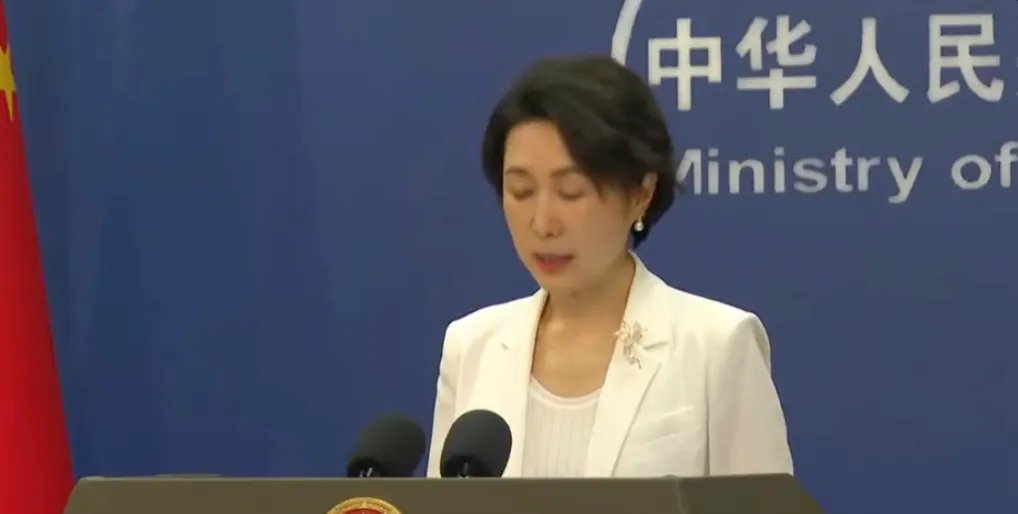
Chinese Foreign Ministry Spokesperson Mao Ning recently dismissed India’s assertion of ownership over the Shaksgam Valley in Jammu and Kashmir, stating that the territory belongs to China. Mao emphasized China’s right to conduct infrastructure development within its own borders, including the disputed region.
Referring to a boundary agreement signed with Pakistan in the 1960s, Mao highlighted that the demarcation of borders between China and Pakistan was a sovereign decision aimed at promoting economic cooperation and regional development. The China-Pakistan Economic Corridor (CPEC) was underscored as a project intended to enhance local economies and livelihoods, with no impact on China’s stance on the Kashmir issue.
Located at the intersection of Xinjiang Province in China, the Northern Areas of Pakistan-Occupied Jammu and Kashmir, and the Siachen Glacier region, the Shaksgam Valley has been a point of contention between India and China. India has firmly opposed China’s infrastructure activities in the region, denouncing the CPEC as illegal and void.
India’s Ministry of External Affairs reiterated its stance on the matter, emphasizing that the Shaksgam Valley is an integral part of India and rejecting the 1963 boundary agreement between China and Pakistan. The MEA spokesperson, Randhir Jaiswal, affirmed India’s sovereignty over Jammu and Kashmir and Ladakh, expressing concerns over attempts to alter the ground reality in the disputed region.
India has consistently raised objections with both China and Pakistan regarding their actions in the Shaksgam Valley, reserving the right to safeguard its territorial integrity. The MEA spokesperson emphasized India’s commitment to protecting its interests and maintaining the integrity of its Union Territories.
