
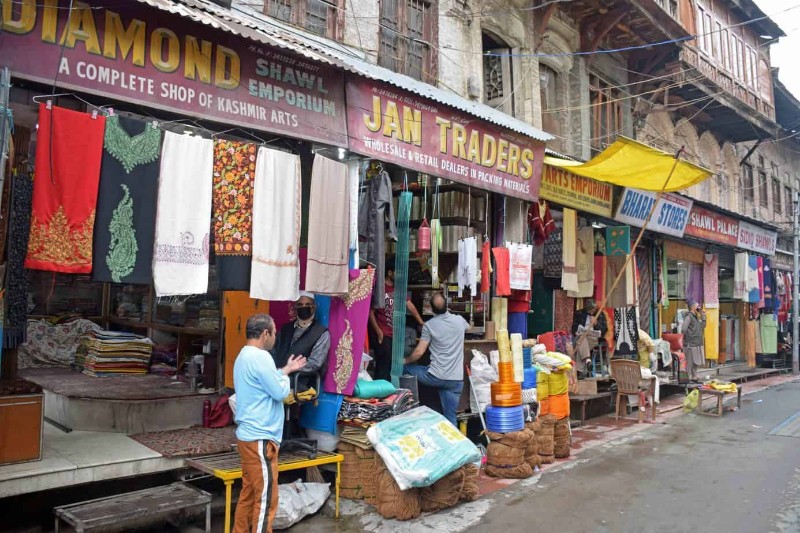
The Entrepreneurial Transformation of Jammu & Kashmir
Entrepreneurship in Jammu & Kashmir is currently experiencing a significant shift, reshaping the economic landscape and broadening the horizons of the region’s youth. In the past, the focus was on government jobs and traditional livelihoods, but now, determined young individuals are taking charge and venturing into building their own businesses. Despite facing persistent challenges and structural barriers, these new entrepreneurs are rewriting the economic narrative of the region.
Rise of Enterprise-Led Thinking
Recent years have seen a positive increase in enterprise-led thinking in Jammu & Kashmir. Factors such as improved connectivity, targeted government initiatives, and broader market exposure have created new opportunities for aspiring entrepreneurs. The rise of e-commerce has enabled local products, ranging from handicrafts to gourmet foods, to reach customers not only across India but also internationally. The growing digital literacy among the youth has further empowered them to explore new ideas and develop relevant skills. However, these opportunities coexist with ground realities that make entrepreneurial journeys in J&K more demanding compared to other parts of the country.
Challenges Faced by Entrepreneurs
One of the major difficulties for entrepreneurs in the region is the unpredictable business environment. Frequent disruptions due to weather, road blockades, communication issues, or political sensitivities can disrupt operations, impacting supply chains and customer commitments. This uncertainty particularly affects entrepreneurs dealing with perishable goods, transport-based services, or tourism, leading to challenges in long-term planning and investor confidence.
High logistics and transportation costs pose another significant barrier for businesses in Jammu & Kashmir. Many businesses have to incur additional expenses for shipping raw materials from outside the region and sending finished goods to outside markets, which can reduce profit margins, especially for startups striving to achieve scale. Transportation delays can result in missed orders, damaged goods, and decreased competitiveness for entrepreneurs in sectors like handicrafts and agriculture.
Infrastructure bottlenecks also hinder the growth of businesses in the region. While there has been an improvement in internet connectivity, many areas still face inconsistent speeds or sudden breakdowns, affecting online operations, digital payments, and social media marketing. Inadequate warehousing facilities, limited cold-storage units, and insufficient packaging standards restrict entrepreneurs from expanding into larger markets.
Navigating Official Processes
Entrepreneurs in Jammu & Kashmir often struggle with navigating official processes such as licensing procedures, approvals, tax registrations, and compliance requirements. This complexity can be overwhelming, especially for first-time entrepreneurs from rural or semi-urban backgrounds. Lack of guidance during crucial stages can lead to delays, errors, or abandonment of potentially promising ideas. Additionally, many support schemes meant for entrepreneurs remain underutilized due to lack of awareness or procedural obstacles.
While access to finance is improving, challenges persist for many entrepreneurs in the region. Small loans and subsidy-based programs exist, but securing funding can be difficult for ventures lacking collateral, credit history, or a clear guarantor. Many young entrepreneurs rely on personal savings or family support, limiting their scalability and increasing financial vulnerability. Delayed loan approvals, high interest rates, and lengthy documentation processes add further strain.
Key Challenges and Opportunities
Jammu & Kashmir also faces a scarcity of skilled labor, particularly in specialized fields such as digital marketing, advanced manufacturing, product design, and hospitality management. Startups often struggle to hire competent staff, impacting service quality and operational efficiency. Market linkages, especially for sectors like handicrafts, agribusiness, and tourism, remain limited, making it challenging for entrepreneurs to secure long-term buyers or partnerships with established brands.
Women entrepreneurs in the region face unique challenges, operating from home due to mobility constraints or cultural expectations, limiting their visibility and networking opportunities. Access to capital, digital training, and market exposure remains uneven for women-led ventures. Despite these barriers, women entrepreneurs continue to grow steadily, supported by determination and community backing.
The Resilience of Jammu & Kashmir’s Young Entrepreneurs
The resilience demonstrated by young entrepreneurs in Jammu & Kashmir is exceptional, reflecting creativity, ambition, and a deeper desire to transform their communities. Many ventures prioritize social impact, supporting local artisans, promoting sustainable agriculture, preserving cultural heritage, and generating rural employment. This community-centered approach has shifted perceptions, encouraging families to support entrepreneurial endeavors more than before.
The region has seen the rise of various innovative businesses, including cafés, boutique homestays, cloud kitchens, digital agencies, agribusiness ventures, and service-based startups. The true essence lies in the perseverance behind these successes—the ability to navigate challenges, absorb setbacks, and adapt to a complex business landscape.
The Future of Entrepreneurship in Jammu & Kashmir
As Jammu & Kashmir progresses on its developmental path, entrepreneurship remains a vital pillar for inclusive and sustainable economic growth. With improved infrastructure, consistent digital connectivity, easier market access, and responsive support systems, the region has the potential to unleash even greater entrepreneurial energy. The determination of its youth continues to redefine possibilities, showcasing that growth is achievable even in challenging environments.
For more information, the author, a senior analyst, can be contacted via email at m.hanief@gmail.com or on Twitter at @haniefmha.
