
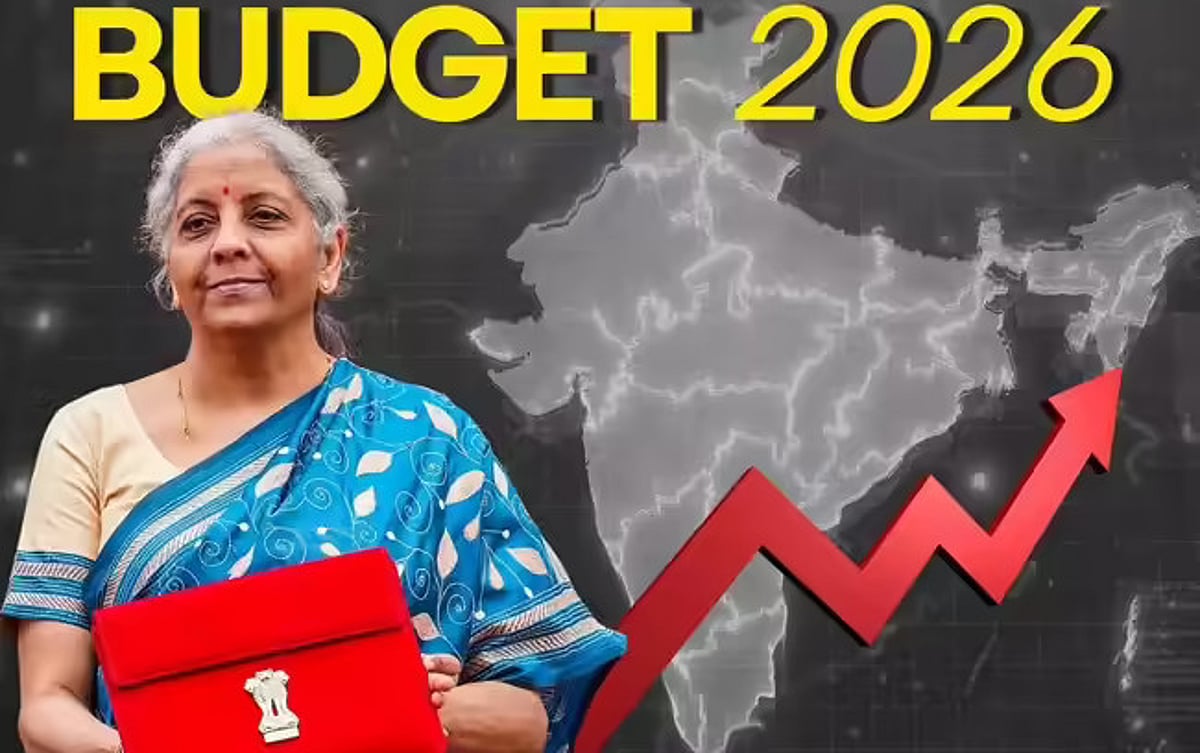
When it comes to the Union Budget 2026, the rhetoric of duty to growth, aspiration, and inclusion is prevalent. However, for the common household, the more pressing question is what tangible changes they can expect in their daily lives.
Despite the government’s focus on macroeconomic stability and policy continuity, many Indians may find that the promises of better jobs, income security, and growth have yet to materialize.
The Budget emphasizes strong GDP growth and stability, but the reality for many is stagnant real wages, rising informal employment, and increasing reliance on credit for daily expenses. The trajectory remains unchanged.
While capital expenditure and infrastructure expansion are prioritized for economic growth, the direct impact on job creation remains uncertain. The salaried middle class may find little relief in terms of tax slabs, cost-of-living pressures, or essential expenses.
Despite the government’s efforts to address skills and employability, the shift towards contractual work and gig employment continues to leave many young Indians in a state of permanent uncertainty.
Although the Budget acknowledges the challenges faced by farmers, income stability and price security remain elusive. Agricultural distress persists due to rising input costs, climate stress, and market volatility.
While the Budget offers assistance to rural families, the underlying issue of unpredictable incomes and weak price security remains unaddressed.
