
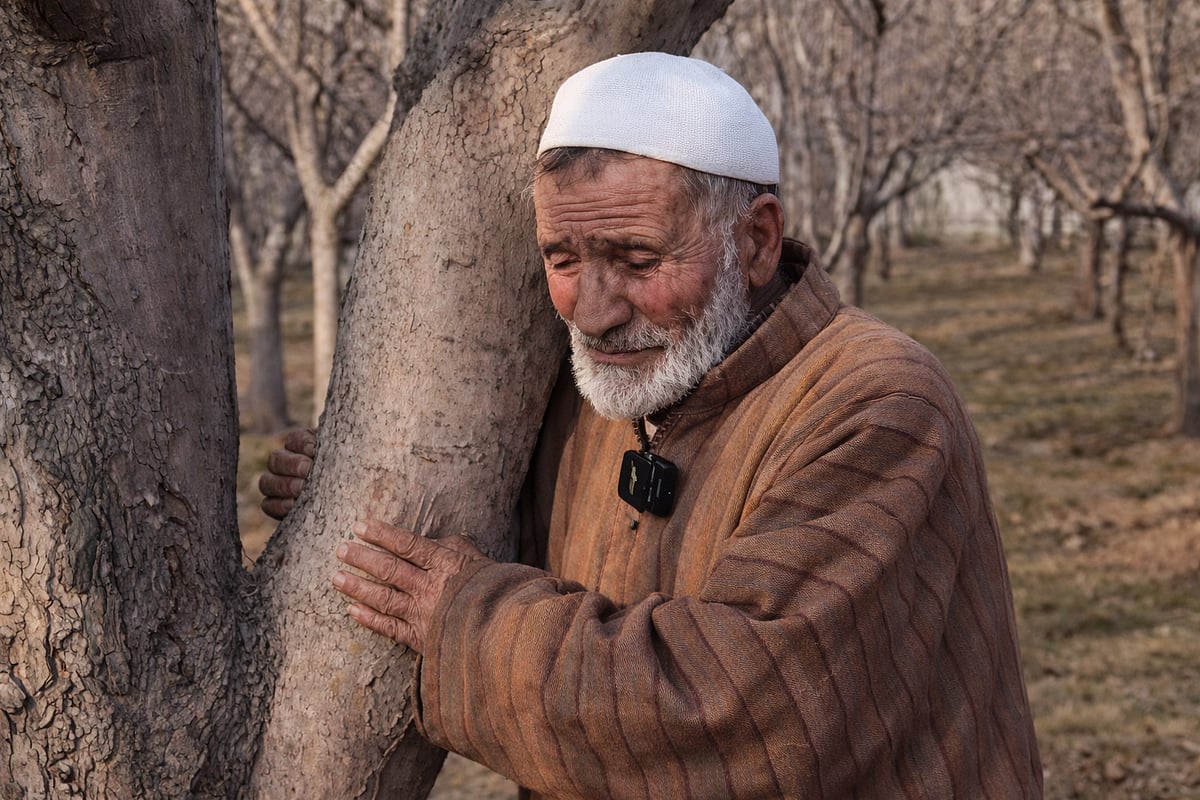
Environmental Concerns in Kashmir: A Battle for Survival
Environmental activists and villagers in Kashmir are raising alarms over the potential ecological devastation caused by the proposed Kakapora-Kunsoo railway project. They argue that mandatory procedures outlined in the Right to Fair Compensation and Transparency in Land Acquisition, Rehabilitation and Resettlement Act of 2013 have been overlooked.
One of the primary concerns is the irreversible loss of vast apple orchards, which could have significant long-term ecological repercussions. These orchards play a crucial role in carbon sequestration, air purification, and supporting biodiversity, including essential pollinators like bees and butterflies. The region’s orchards act as vital ecological buffers in an area facing mounting developmental pressures.
Moreover, there are fears that construction activities associated with the railway project could lead to increased riverbed and clay mining to meet the demand for construction materials, further straining local ecosystems.
Resistance and Advocacy Efforts
Since mid-December, villagers have been actively resisting the project through various peaceful means. Joint action committees have been formed, peaceful protests staged, and memorandums submitted to the district administration. Survey teams have been prevented from entering orchards, with demands for work suspension until a revised plan is publicly disclosed.
Youth activist Zahid Ahmad emphasizes the peaceful nature of their resistance, stating, “We are not against development, but it should not come at the cost of our survival.”
Residents of Pulwama and Shopian are at the forefront of the opposition, asserting that the railway project threatens their livelihoods and the destruction of apple orchards. They are calling for a realignment of the track to spare farmland and advocating for public consultations with affected communities.
Civil society groups are urging authorities to explore alternative routes such as non-orchard pathways, elevated tracks, or leveraging existing transport corridors to minimize environmental harm.
Political Opposition
Several political leaders have voiced strong opposition to the Kakapora-Kunsoo railway project. MLA Rajapora Ghulam Mohiuddin Mir deems the project “useless” and a threat to the local economy. Muzaffar Shah of the Awami National Party (ANP) rejects a railway project that sacrifices the fruit industry. MLA Shopian Shabir Ahmad Kullay labels the project a “disaster for Kashmir,” advocating for funds to be redirected to healthcare, education, and infrastructure.
MLA Zainapora Showkat Hussain Ganie has escalated the issue to National Conference MP Mian Altaf Ahmad, emphasizing the critical dependence of local communities on apple orchards for sustenance.
In conclusion, the proposed railway project in Kashmir has sparked a fierce battle between development and environmental preservation. The resilience of villagers and the solidarity of political leaders underscore the high stakes involved, with the survival of livelihoods and ecosystems hanging in the balance.
