
The Balakot Air Strike: A Defining Moment in India’s National Security History
The Balakot Air Strike, along with Operation Swift Retort, will forever be remembered as a pivotal chapter in India’s modern security landscape. It was not just a military operation; it was a resolute statement that India will defend its sovereignty and dignity with unwavering determination.
The chain of events leading to the Balakot Air Strike began with the tragic Pulwama attack on February 14, 2019, where forty Indian security personnel lost their lives to a terror strike orchestrated by the Pakistan-based Jaish-e-Mohammed. This heinous act served as a turning point in India’s approach to national security, marking a shift from passive tolerance to proactive defense.
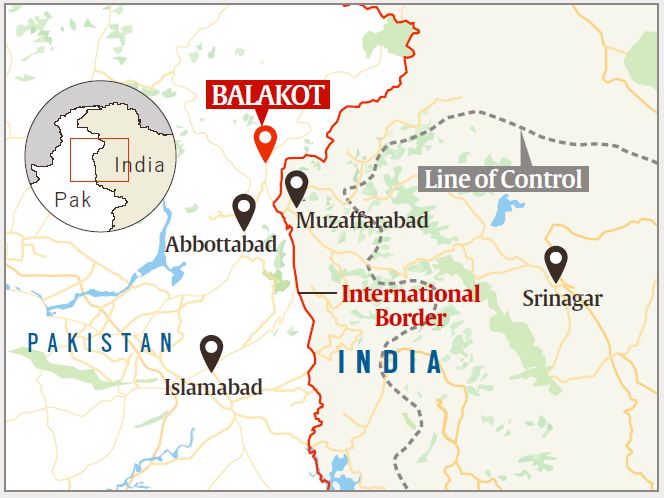
On February 26, 2019, the Indian Air Force conducted precision air strikes on a terrorist training facility in Balakot. This meticulously planned operation was a clear message that India would not allow terror activities to go unchallenged. It was a targeted strike aimed at eliminating terrorist infrastructure and preventing future attacks, rather than an act of aggression against civilians.
Following the Balakot Air Strike, Pakistan retaliated with Operation Swift Retort, resulting in an aerial engagement that saw an Indian MiG 21 Bison shot down and its pilot, Abhinandan Varthaman, captured. Despite the tense situation, India maintained a composed posture, combining military readiness with diplomatic outreach to convey its stance on self-defense against terrorism.
The Balakot Air Strike showcased India’s evolution in counter-terrorism strategy, emphasizing deterrence over revenge. By disrupting terrorist infrastructure, India aimed to send a strong message to those who support and harbor terrorist groups. The operation not only bolstered national unity but also garnered international recognition for India’s responsible approach to security challenges.
Through the sacrifices of Indian soldiers and the strategic messages conveyed by the Balakot Air Strike, India reaffirmed its commitment to peace, stability, and development. The operation reshaped regional security dynamics, setting a new standard for counter-terrorism responses while demonstrating India’s resolve to combat threats with precision and diplomacy.
In conclusion, the Balakot Air Strike symbolizes a nation that values peace but is prepared to defend itself with strength when faced with challenges. It stands as a testament to India’s commitment to safeguarding its citizens and upholding its sovereignty in the face of adversity.
(Contact: Syedjahanzeeb2@gmail.com)
