
The Impact of Lake Pollution on Srinagar’s Water Supply
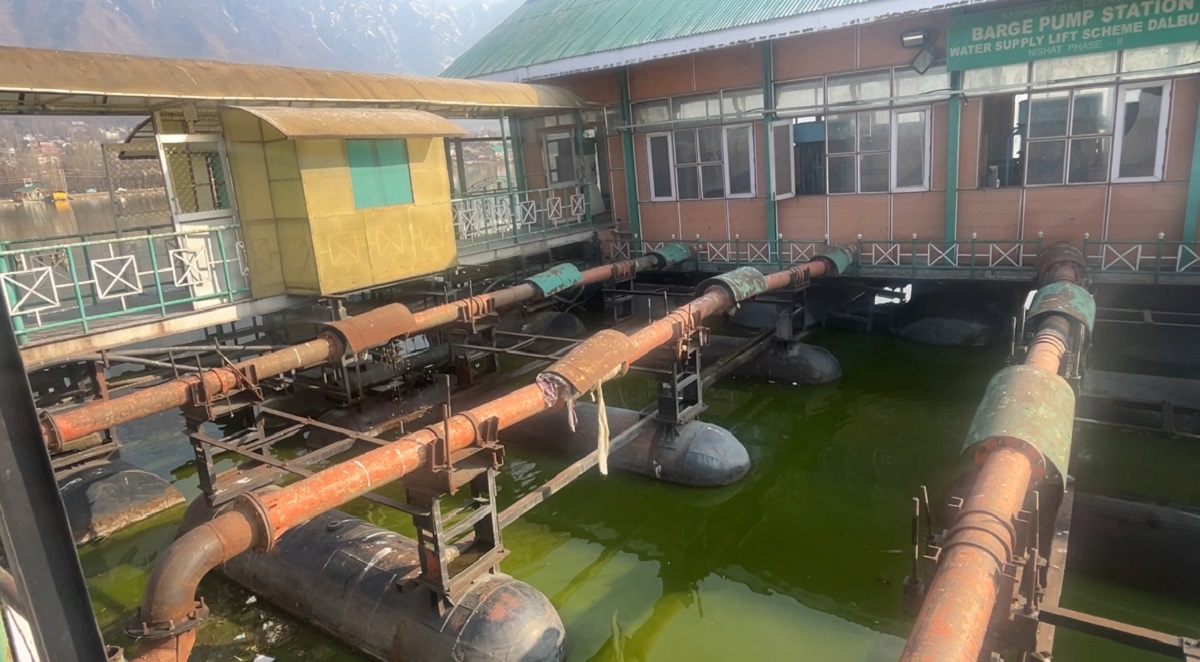
One clear winter morning, I stood at the Nishat pump station in Srinagar, witnessing dark drains emptying into Dal Lake next to the intake that supplies water to a significant portion of the city’s population.
The water from the lake is drawn through pipes to a filtration plant above the road, eventually reaching homes and businesses across Srinagar.
The Smart Cities Initiative and Water Supply Challenges
In 2017, the Smart Cities programme was introduced in Srinagar, aiming to modernize utilities and ensure sustainable water supply systems. While the city saw advancements in infrastructure, the core water network continued to rely on a lake that received untreated waste from various sources.
Notably, drains from Brein, Nishat, and Ishber discharge directly into Dal Lake, raising concerns about water quality and contamination.
Engineers highlight the capacity of the Nishat water treatment plant to process millions of gallons of water daily for hundreds of thousands of residents. However, the inflow includes sewage, household waste, and agricultural runoff, posing significant challenges for effective treatment.
Challenges and Contamination Concerns
Despite efforts to treat the water, observations at the intake point reveal visible contamination even before the treatment process begins. Additionally, the plant faces challenges in maintaining water quality standards.
Another key facility at Pokhribal serves a significant population but faces issues such as discolored water, sedimentation, and odors during peak supply times.
Judicial records shed light on the environmental concerns surrounding Dal Lake and its associated sewage treatment plants. A committee appointed by the Jammu and Kashmir High Court highlighted operational issues and non-compliance with pollution control standards.
Environmental Impact and Future Plans
The committee’s findings revealed that a significant percentage of Srinagar’s sewage finds its way into Dal Lake, posing a threat to the ecosystem and public health. Treatment plants at various locations operate under strain, with inadequate testing and maintenance practices.
Efforts to address pollution in other water sources, such as the Doodh Ganga stream, have been met with challenges. Upstream pollution from municipal discharges continues to impact water quality, prompting regulatory intervention.
Despite allocated funds for new sewage treatment plants, delays in implementation have led to ongoing pollution concerns and compromised water quality for residents.
Conclusion: The Need for Sustainable Solutions
Srinagar’s water supply system faces a dual challenge of pollution and inadequate treatment capacity. As households, institutions, and businesses rely on this network for daily water needs, the urgency for sustainable solutions becomes apparent.
While the city showcases its smart infrastructure initiatives, the underlying issue of polluted water sources remains a critical concern. Transparency in monitoring water quality and addressing contamination levels are essential for ensuring a safe and reliable water supply for all residents.
Leaving the Nishat pump station, the image of dark drains merging into the lake serves as a stark reminder of the interconnectedness of water sources and the pressing need for effective conservation and treatment measures.
Understanding and addressing these challenges are crucial for safeguarding public health and the environment in Srinagar.
