
The Controversial India–US Trade Deal: Impact on Kashmir’s Horticulture Sector
Srinagar- The proposed trade deal between India and the United States has sparked a heated debate within Kashmir’s horticulture sector, dividing growers and dealers on its potential impact on prices, quality, and the long-term sustainability of the local economy.
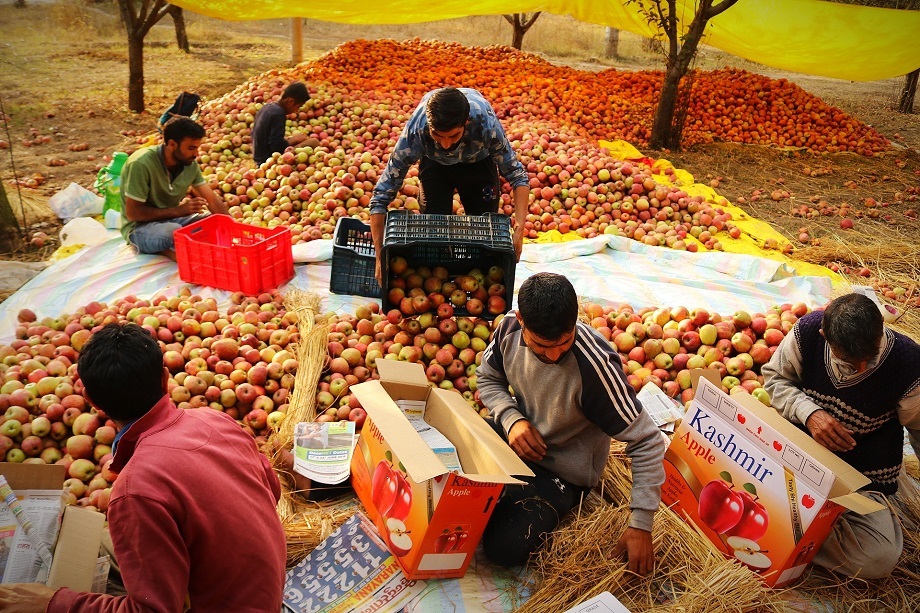
While some orchardists express concerns about the reduction in import duties potentially damaging the Valley’s apple and dry fruit market, others believe that competition from American produce could lead to price stabilization and encourage farmers to enhance quality.
Javaid Ahmad Lone, a walnut grower and dealer from Shopian, is of the opinion that exposure to imported goods might compel local farmers to upgrade their produce.
He emphasized, “Protectionism may not always be beneficial for farmers. They tend to become complacent when they have a captive market. The rates of local almonds and walnuts fluctuate unpredictably. Introducing competition could prompt local farmers to enhance the quality of their products.”
On the other hand, the larger fruit growers’ community views the trade agreement as a significant threat to an economy heavily reliant on horticulture.
Bashir Ahmad Bashir, president of the fruit growers and dealers union, has cautioned that reduced tariffs on imported apples could severely disadvantage produce from Kashmir and Himachal Pradesh.
He urged for a 100 percent import duty on foreign apples, expressing concerns that unrestricted imports could lead to a crisis in the horticulture economy.
According to officials in the horticulture department, nearly 20 lakh individuals in Jammu and Kashmir are directly or indirectly dependent on horticulture for their livelihood.
Chief Minister Omar Abdullah has also raised concerns about the interim trade arrangement, particularly the duty-free imports of tree nuts such as walnuts and almonds which could negatively impact local farmers.
The opposition People’s Democratic Party echoed similar apprehensions, stating that the agreement could result in economic distress if agricultural and horticultural goods from the US enter the Indian market without tariffs.
With livelihoods at risk and market uncertainty looming, the trade deal has placed Kashmir’s fruit economy at the forefront of a growing policy debate.
