
The Impact of Government Job Outsourcing on Economic and Social Welfare in Jammu
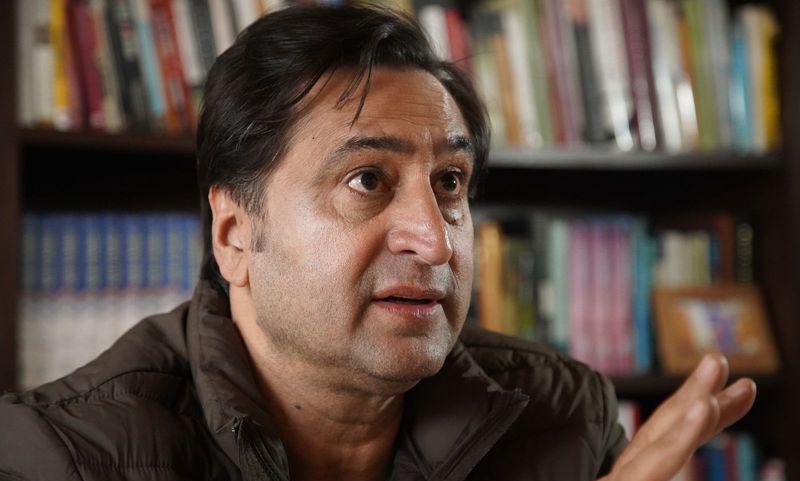
In a recent statement, Sajad Gani Lone, the president of the Peoples Conference, expressed concern over the outsourcing of government jobs in Jammu, labeling it as a social and economic disaster. He specifically questioned the government’s pledge to provide 12 LPG cylinders to economically weaker sections (EWS).
During a session in the Legislative Assembly, Lone highlighted the absence of a political agenda in the budget. He emphasized that a budget typically reflects the political ideology of the ruling party, but in this case, it appeared to be a bureaucratic document lacking political vision.
Lone raised doubts about the government’s commitment to supply six gas cylinders to each household, pointing out a discrepancy between this promise and the contents of their election manifesto. He criticized the exclusion of 14 lakh Below Poverty Line (BPL) families, now categorized as priority households, from the benefit scheme. Additionally, he accused the government of indirectly recovering the cost of gas cylinders by reducing diesel rebates.
Regarding the promise of providing 12 gas cylinders to every EWS household, Lone pointed out the financial implications, stating that the government would need Rs 1680 crore annually to fulfill this commitment. He highlighted a significant shortfall in the actual allocation compared to the promised amount, which he estimated at Rs 8500 crore over five years.
Furthermore, Lone criticized the trade-off involved in the government’s announcement of free gas cylinders, noting that it came at the expense of the poor. He pointed out that the reduction in diesel rebates would result in a net gain for the government, while the beneficiaries received a fraction of the promised benefits.
Turning to the issue of outsourcing government jobs, Lone described it as a detrimental practice with severe social and economic consequences. He expressed dismay over the revelation that 24,000 jobs had been outsourced, attributing this decision to bureaucratic authorities rather than the government.
Lone called out the government for failing to address the issue of job outsourcing and questioned their alignment with such policies. He urged the government to reconsider and reverse this trend to prevent further harm to society.
It is evident from Lone’s remarks that the outsourcing of government jobs and the government’s welfare policies have significant implications for the economic and social well-being of the people in Jammu. The need for a more inclusive and transparent approach to governance is crucial to ensure equitable distribution of resources and opportunities.
