
The Impact of Terrorism on Society: A Kashmiri Perspective
Living in a region plagued by terrorism, as a Kashmiri Muslim, I have witnessed firsthand the devastating consequences of allowing terror to thrive under the guise of ideology and strategy. In contrast to this destructive path, we have chosen the path of coexistence. It is now imperative for the world to make a crucial decision – whether to continue turning a blind eye or to hold Pakistan accountable before the cycle of violence claims even more innocent lives.
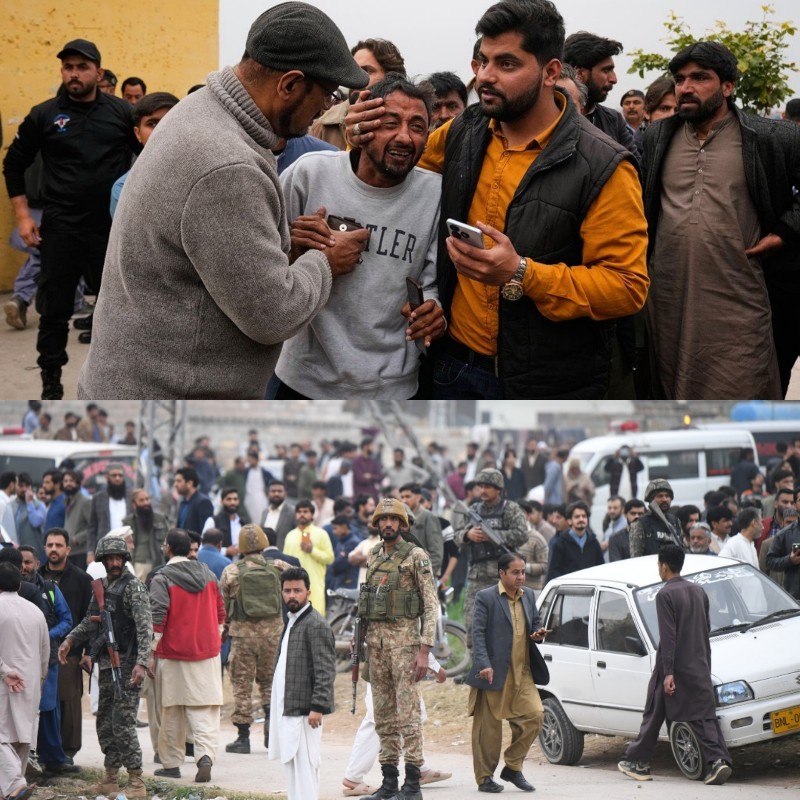
Recently, a suicide attack shook the core of Islamabad as a mosque became the target of this heinous act. This event was not a shock to many, considering Pakistan’s history of normalizing terror as a political tool over the years. The violence that unfolded in the capital was not an isolated incident but rather a culmination of years of tolerance towards extremism. Islamabad, once considered a safe haven, has now been breached by terror, signifying a significant shift in the security landscape of Pakistan.
The attack on Masjid Khadija Tul Kubra in the Tarlai Kalan area during Friday prayers resulted in numerous casualties, including women and children. This tragic event highlights the vulnerability of even the most secure spaces in Pakistan to the threat of terrorism. The fear that had loomed over Shia places of worship in Pakistan has tragically materialized, underscoring the urgent need for action.
Reflecting on these events, Syed Jahanzeeb, a geo-political analyst from Srinagar, emphasizes the dangerous precedent set by Pakistan in normalizing violence against specific communities. The selective targeting of groups based on sectarian lines has now backfired, with terror transcending boundaries and reaching the heart of the nation.
Another perspective comes from Abdul Rashid, a shopkeeper from Downtown Srinagar, who recalls the failed attempts to stoke sectarian discord in Kashmir. Despite external efforts to sow division, the people of Kashmir stood united, fostering a sense of communal harmony that served as a shield against extremism. In stark contrast, Pakistan’s tolerance of hatred has led to the current state of unrest and insecurity.
Hina Masoodi, a postgraduate student from Budgam, highlights the stark contrast between the peaceful coexistence of Shia and Sunni communities in Kashmir and the perpetual fear faced by Shias in Pakistan. The normalization of violence and the acceptance of extremism have created a toxic environment where no community feels safe from the threat of terror.
Ghulam Nabi, a retired government employee from Baramulla, draws parallels between the terrorism narrative in Kashmir and Pakistan, emphasizing the consequences of nurturing extremist ideologies. The recent attack in Islamabad is not simply an intelligence failure but a moral lapse that demands accountability.
Further shedding light on the situation, Faizan Ahmad, a columnist based in Srinagar, underscores the irony of Pakistan’s failed attempts to export sectarianism to Kashmir. While Kashmir has embraced inclusivity and harmony, Pakistan’s strategic use of sectarian hate has boomeranged, leading to internal strife and insecurity.
In conclusion, the recent attack in Islamabad serves as a stark warning to the international community. Pakistan’s failure to address sectarian terror and its continued tolerance of extremist networks pose a significant threat not only to its own citizens but also to regional stability. It is imperative for donor states and financial institutions to hold Pakistan accountable for its actions and demand tangible progress in dismantling terrorist networks and protecting minority communities.
As a Kashmiri Muslim, I urge the world to confront the reality of terrorism operating under the guise of ideology and strategy. We have chosen coexistence over hatred, and it is time for the international community to stand against terrorism in all its forms before more lives are lost.
