
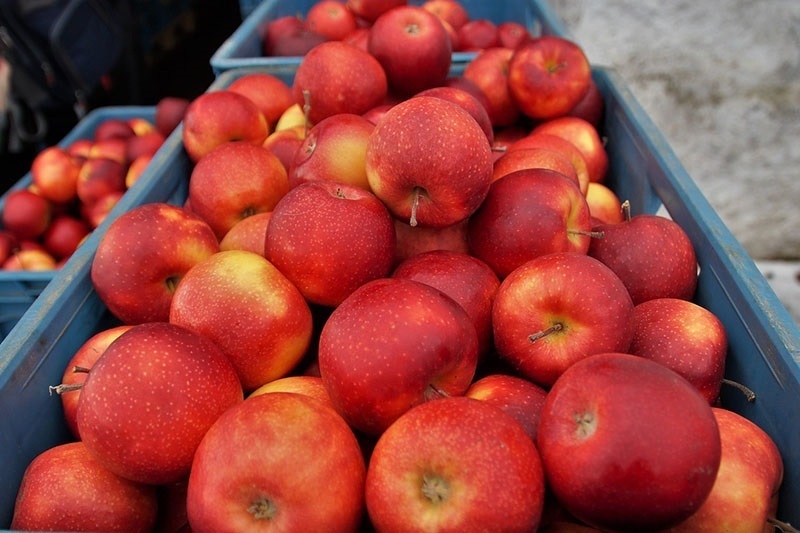
India Grants Duty Concession to US Apples Under Interim Trade Pact
India recently announced a quota-based duty concession for US apples under the interim trade agreement, ensuring the protection of domestic apple growers. Commerce and Industry Minister Piyush Goyal confirmed that a minimum import price (MIP) of Rs 80 per kg and a 25% import duty will be imposed on US apples under the proposed India-US trade pact set to be signed by mid-March. This move effectively restricts the import of apples priced below Rs 100 per kg from the US.
Goyal assured that Indian apple farmers are safeguarded by these measures, with the current import duty on apples set at 50% with an MIP of Rs 50 per kg, preventing imports of apples priced below Rs 75 per kg. He emphasized that the agreement will not impact the interests of farmers, MSMEs, handicrafts, and handlooms.
India imports approximately six lakh tonnes of apples annually, with significant portions coming from countries like Iran, Turkiye, and Afghanistan. The interim trade pact also includes duty concessions on various US goods, such as alcoholic beverages, cosmetics, and medical devices.
Furthermore, India has agreed to reduce duty on European apples to 20% under a trade pact with the EU, with imports capped at 50,000 tonnes annually and subject to a minimum import price of Rs 80 per kg to protect domestic farmers.
US Wines and Dry Fruits to Become More Affordable
The bilateral trade agreement between India and the US includes provisions for the reduction or elimination of import duties on a wide range of American products, including wines, spirits, and dry fruits. This move is expected to make these products more affordable for Indian consumers.
Both countries have reached a framework for the initial phase of the trade pact, aimed at boosting two-way trade through tariff reductions and addressing non-tariff barriers. India will grant tariff relief on select high-end cars, motorcycles, and various food and agricultural products from the US.
Additionally, India will address long-standing barriers to trade in US medical devices and eliminate restrictive import licensing procedures for US Information and Communication Technology goods. The agreement also covers duty concessions on American medicines, cosmetics, medical devices, and various other products.
On the other hand, Indian exports like spices, tea, coffee, fruits, and vegetables will attract zero reciprocal tariffs in the US market. The agreement is expected to enhance bilateral trade while ensuring market access and protection for sensitive sectors.
