
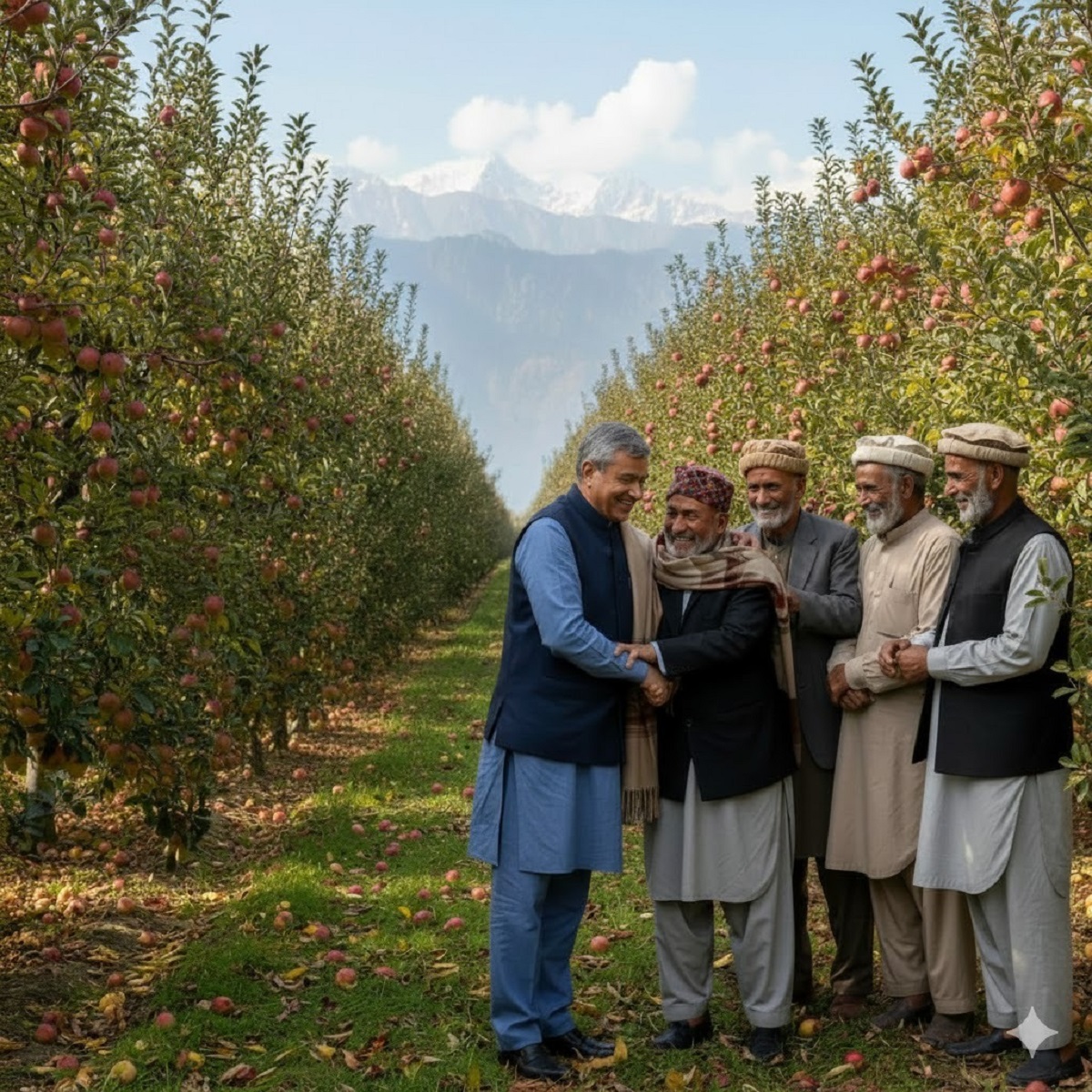
How Kashmiri Apple Farmers Raised Their Voices and Influenced Change
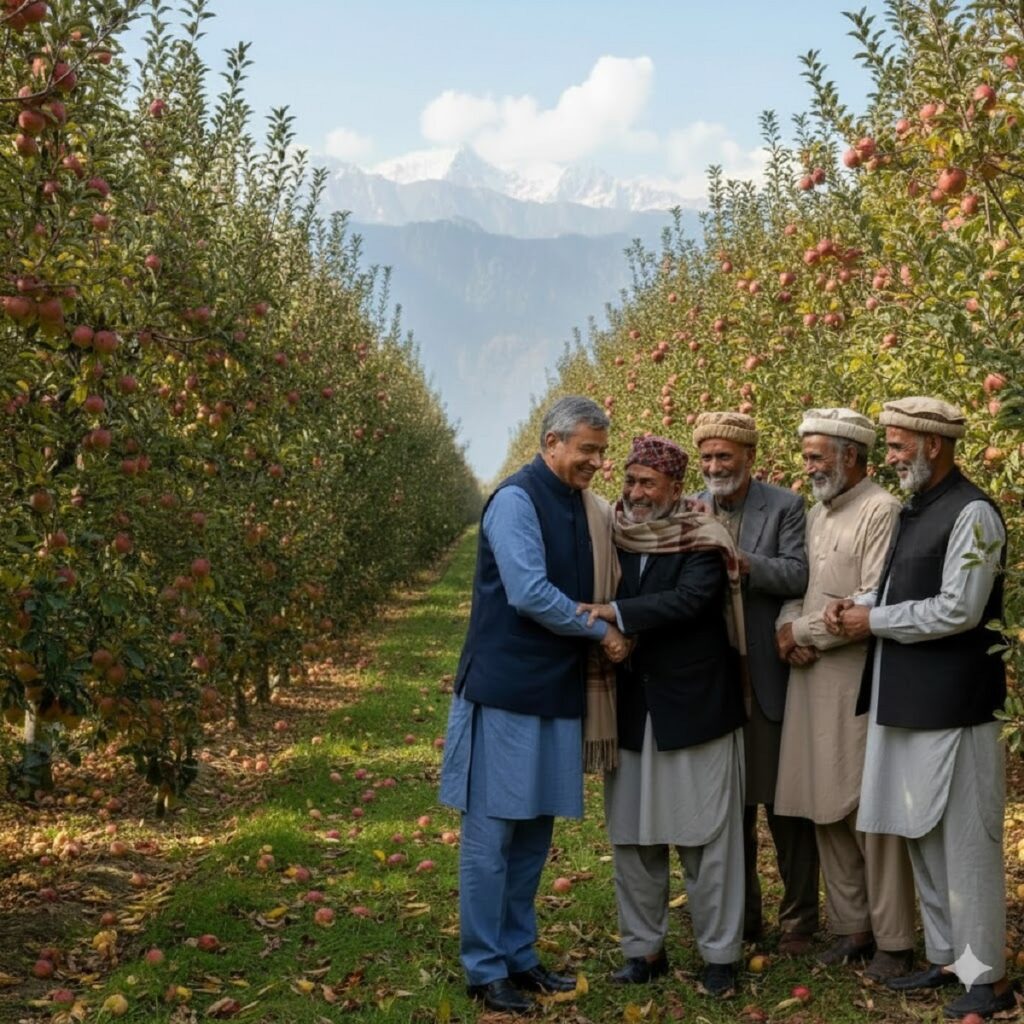
Walking through the villages of Babhar, Keegam, Check Niltrisal, Check Nazneenpora, and Kunsoo in Pulwama and Shopian on December 26, 2025, I witnessed a profound moment. Apple farmers, reliant on their orchards for sustenance, stood vigil as survey teams marked out the path for a proposed railway line, threatening their livelihoods and environment.
The proposed railway line, spanning 27 kilometers from Kakapora to Kunsoo, cut through the heart of these villages, causing distress among the residents. Nearly ninety percent of families in these areas depended on apple farming, making them acutely aware of the implications of the railway project.
Initially hesitant to speak out, the farmers found their voices through the Jammu and Kashmir Climate Action Group, as their concerns gained traction on social media and in the press. What started as a local movement soon garnered national attention, with public figures and politicians advocating for the farmers’ rights.
Notable figures like MLA Bashir Veeri, MLA Altaf Kaloo, and MP Aga Syed Ruhullah raised the issue in various forums, emphasizing the importance of a social impact assessment and legal protections for the affected communities. As awareness grew, so did the support for the farmers, culminating in a collective effort that caught the attention of railway minister Ashwini Vaishnaw.
On February 3, 2026, the railway minister announced the suspension of the proposed railway lines, acknowledging the objections raised by farmers, elected representatives, and the local government. This decision not only safeguarded thousands of trees and apple orchards but also demonstrated the power of public engagement in influencing policy.
The victory for Kashmiri apple farmers highlighted the significance of listening to community voices and fostering understanding between policymakers and marginalized communities. It showcased the impact of grassroots activism in protecting the environment and livelihoods of those most vulnerable.
