
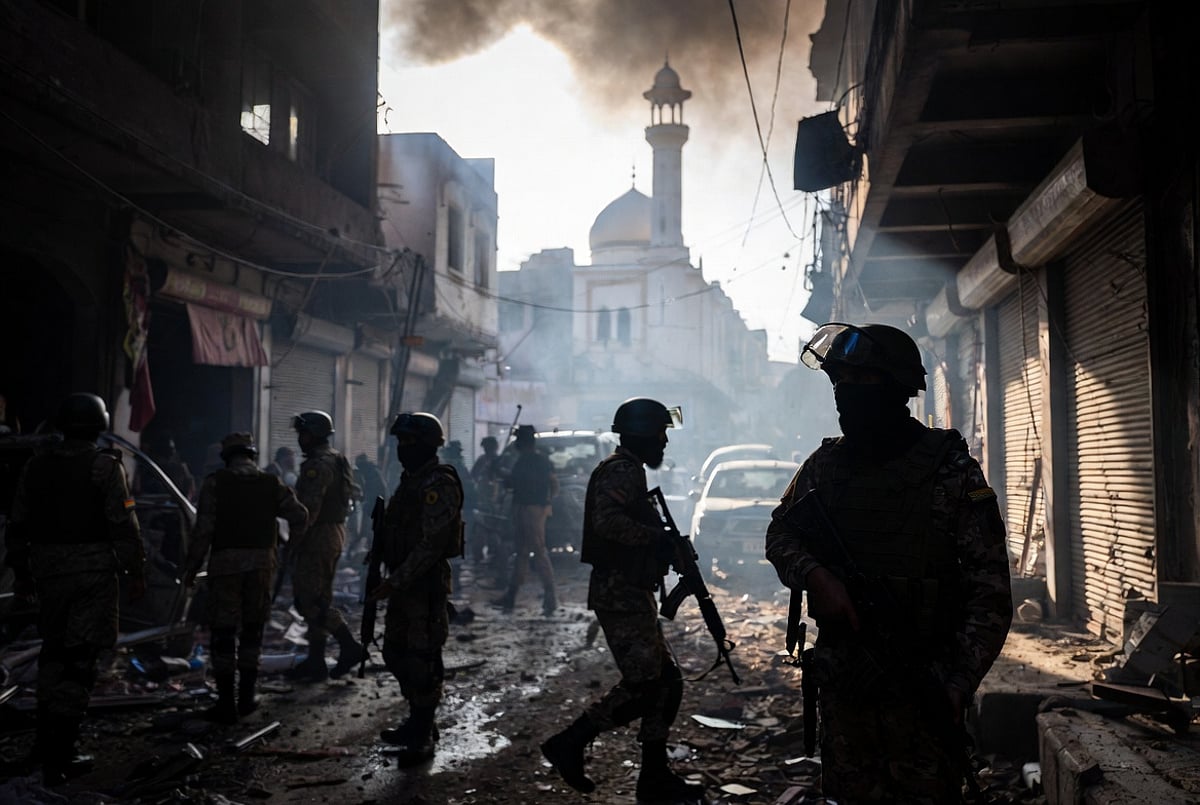
The tragic incident that occurred at the Khadija Tul Kubra Mosque in Tarlai Kalan, a suburb of Islamabad, Pakistan, goes beyond being just a heart-wrenching event. It serves as a grim reminder of the failings in the security system and the political structure that is collapsing under its own contradictions.
The loss of nearly thirty lives and the injuries sustained by hundreds is a national disgrace. However, the response from the public, characterized not only by sorrow but also by skepticism and anger, reflects a deeper issue: the severe lack of trust between the Pakistani citizens and the authorities meant to protect them.
The Alleged ‘Foreign Hand’ Conspiracy
Following such tragic events, the official narrative has consistently followed a predictable pattern. A quick, often vague accusation is made, usually pointing fingers at external entities such as India’s intelligence agency RAW or the Afghan Taliban. The recent alignment of the Afghan Taliban with India has led to them being included in this narrative.
After the attack, Pakistani authorities were quick to blame RAW and the Taliban for the incident. Despite the Islamic State later claiming responsibility with a photo of the bomber and his alias, Defence Minister Khawaja Asif had initially accused India and Afghanistan of being behind the attack.
However, this attempt to shift blame did little to quell the public’s skepticism towards official statements of sympathy or promises of enhanced security measures. Many online commentators sarcastically pointed out the irony of swiftly identifying a mastermind in Afghanistan and implicating a foreign intelligence agency, while failing to detect the large-scale operation to smuggle explosives into the capital.
This credibility gap has now turned into a gaping hole.
The public’s distrust is not unfounded. The security apparatus seems more focused on monitoring politicians, journalists, judges, and civilians for political leverage, rather than preventing genuine terrorist threats.
When the state’s surveillance capabilities are used to suppress dissent instead of ensuring security, it’s no wonder that citizens are disillusioned.
Interior Minister Mohsin Naqvi’s dismissive remarks about terrorists being insignificant and easily handled by a local police officer were short-lived, especially as Baloch insurgents from BLA carried out coordinated attacks across multiple cities, causing chaos and fear.
The criticism is extending to institutions that were previously considered untouchable. Calls for the military to stay out of politics and focus on its constitutional duties, as well as blunt criticisms of the army’s leadership, indicate a growing boldness among activists and public figures.
The Pashtun community, which has endured the brunt of terrorism and counter-terrorism operations, offers insightful perspectives. Figures like Qasim Khan Suri openly label the anti-terrorism efforts as a “war for dollars,” suggesting that violence is perpetuated to secure foreign funding, particularly US dollars, rather than ensuring genuine security.
