
Mir Rahi*
In the picturesque region of Kashmir, traditional apple farming is facing a multitude of challenges that are putting immense pressure on farmers. Rising costs, shrinking landholdings, labour shortages, health risks, climate uncertainty, and market competition are all factors contributing to the struggle that apple farmers are currently experiencing in the region.
For generations, apple orchards have been a vital part of Kashmir’s economy, culture, and social structure. Many villages rely heavily on apples for their income and survival, with countless families directly or indirectly involved in apple farming and trade. From planting and harvesting to storage, packing, transportation, and trading, a long chain of individuals is dependent on the success of apple orchards.
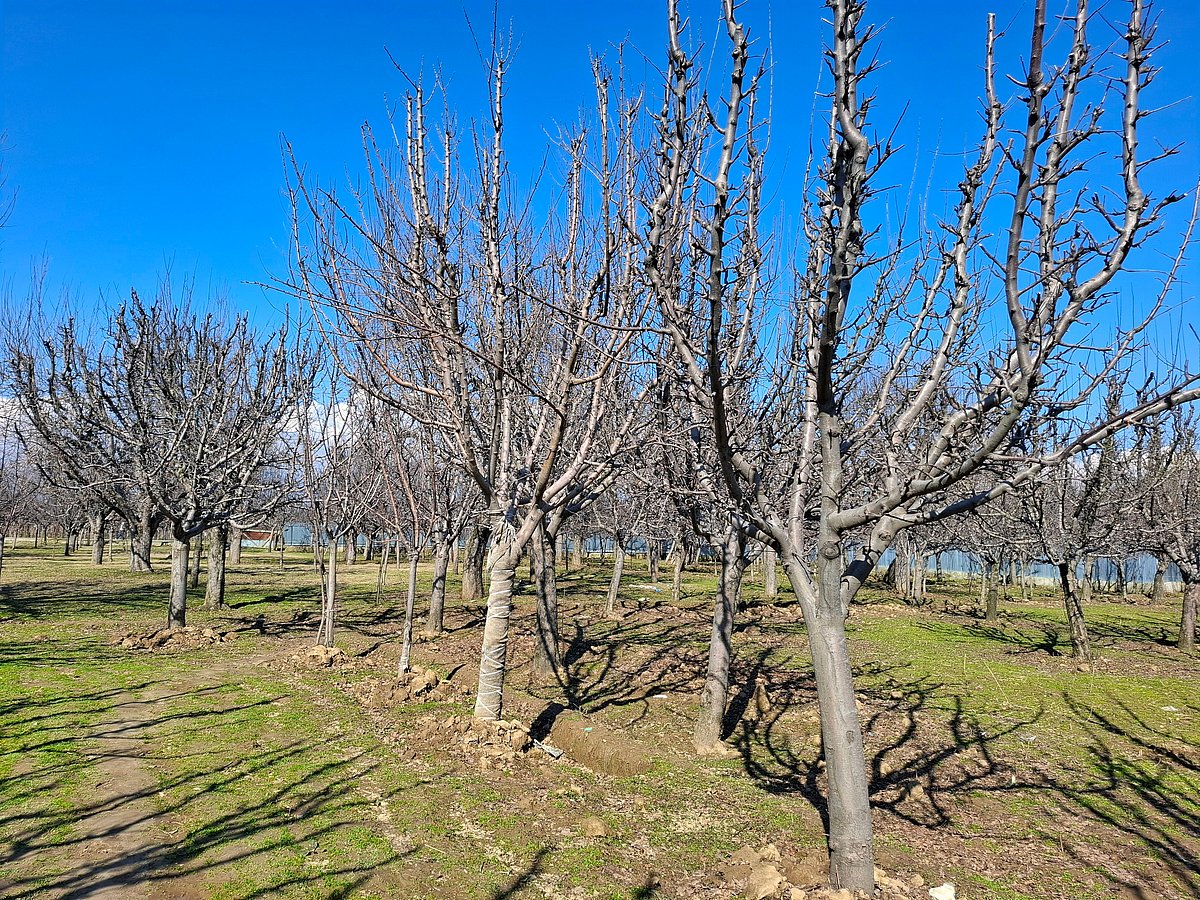
Traditional apple orchards, characterized by tall trees, wide spacing, and large canopies, have been the backbone of Kashmir’s economy for centuries. However, the changing landscape of the industry is posing new challenges for these traditional orchards.
Challenges Faced by Traditional Orchards
One of the most pressing issues faced by Kashmiri farmers is the shrinking size of landholdings. Due to population growth and land division among heirs, orchard sizes have decreased significantly over time. What used to be a thriving orchard has now been divided into smaller units, making traditional farming less profitable or unsustainable in some cases.
Traditional apple orchards require a large amount of space and a considerable waiting period before yielding returns. In contrast, high-density orchards offer farmers the opportunity to produce more apples on the same land, a crucial advantage in a region like Kashmir where expanding agricultural land is not feasible.
Another specific challenge in Kashmir is the aging of apple orchards. A significant number of orchards in the region are between 40 and 60 years old, leading to declining productivity, increased disease susceptibility, poor fruit quality, and higher management costs.
Replantation has become a necessity for many farmers, with some already cutting down old orchards due to diminishing returns. Traditional apple trees can take up to 15 years to reach full production, resulting in years of investment without a stable income for many families.
In recent years, drought conditions during summers and heavy rains in spring and early autumn have been wreaking havoc on traditional apple orchards in Kashmir. The rising costs of nutritional management, pesticide spraying, and labor have made it increasingly difficult for orchard owners to sustain their operations.
As a result, many farmers are considering switching to high-density apple farming as a profitable alternative to traditional methods. This shift has shown promising results and offers a more sustainable approach to apple cultivation in the region.
