
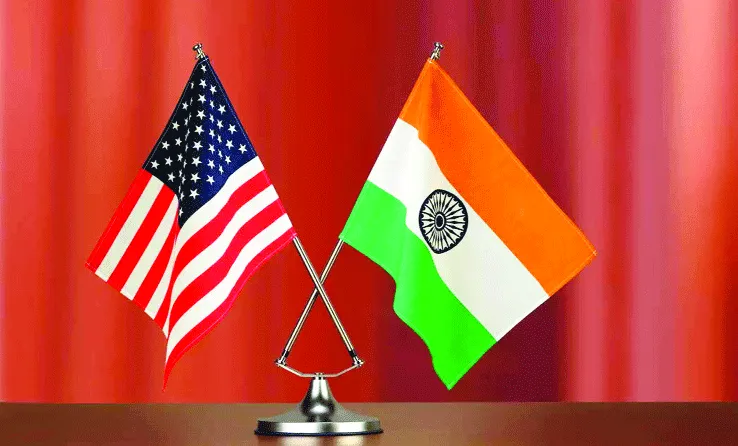
New Trade Agreement with India: A Boost for US Economy
The recent trade agreement between the United States and India has been warmly welcomed by the White House, with Prime Minister Narendra Modi committing to significant changes that will directly benefit the American economy and consumers. This agreement, announced by President Donald Trump, marks a pivotal moment in US-India relations.
One of the key highlights of the agreement is India’s commitment to stop purchasing Russian oil and instead buy energy from the United States, along with the possibility of sourcing oil from Venezuela. This shift in energy imports is expected to have a positive impact on the US economy and its people, as highlighted by White House Press Secretary Karoline Leavitt.
In addition to the energy sector, PM Modi has pledged a substantial investment of $500 billion in key American industries such as energy, transportation, and agriculture. This move is seen as a significant vote of confidence in the US economy and a testament to the strong bilateral ties between the two nations.
According to Leavitt, the trade agreement is a major achievement for the Trump administration, reflecting a strategic push to secure tangible economic benefits from key trading partners like India. US Trade Representative Jamieson Greer further elaborated on the agreement, mentioning that while some tariff measures will be retained, Indian markets will be opened up in various sectors.
Greer emphasized that India has agreed to lower trade barriers for American exporters, particularly in sectors like agriculture, manufacturing, chemicals, and medical devices. This move is expected to create new opportunities for American producers and enhance market access for US goods in India.
The trade agreement strikes a balance between market access and domestic protections, as highlighted by Greer. While tariffs will be maintained against India in certain areas, the country has also committed to reducing tariffs for American products, ensuring a fair and reciprocal trade relationship between the two nations.
It is important to note that India will continue to safeguard its sensitive farm sectors, a common practice among countries worldwide. This provision underscores the need to protect key domestic industries while promoting open and fair trade practices.
Overall, the trade agreement with India aligns with President Trump’s broader trade strategy, which aims to reduce trade deficits, protect American workers, and secure new export markets for US producers. This strategic approach reflects a commitment to strengthening economic ties with key allies and driving sustainable growth for the American economy.
