
The Epstein Files: Uncovering Truths and Confronting Biases
alt=”The Epstein Files and the Politics of Protection” class=”wp-image-310950″
srcset=”https://kashmirobserver.net/wp-content/uploads/2026/02/Epstein-Files-1-1024×576.jpg 1024w, https://kashmirobserver.net/wp-content/uploads/2026/02/Epstein-Files-1-300×169.jpg 300w, https://kashmirobserver.net/wp-content/uploads/2026/02/Epstein-Files-1-768×432.jpg 768w, https://kashmirobserver.net/wp-content/uploads/2026/02/Epstein-Files-1-750×422.jpg 750w, https://kashmirobserver.net/wp-content/uploads/2026/02/Epstein-Files-1-1140×641.jpg 1140w, https://kashmirobserver.net/wp-content/uploads/2026/02/Epstein-Files-1.jpg 1200w”
sizes=”(max-width: 1024px) 100vw, 1024px” />
Written by Khurshed Peer
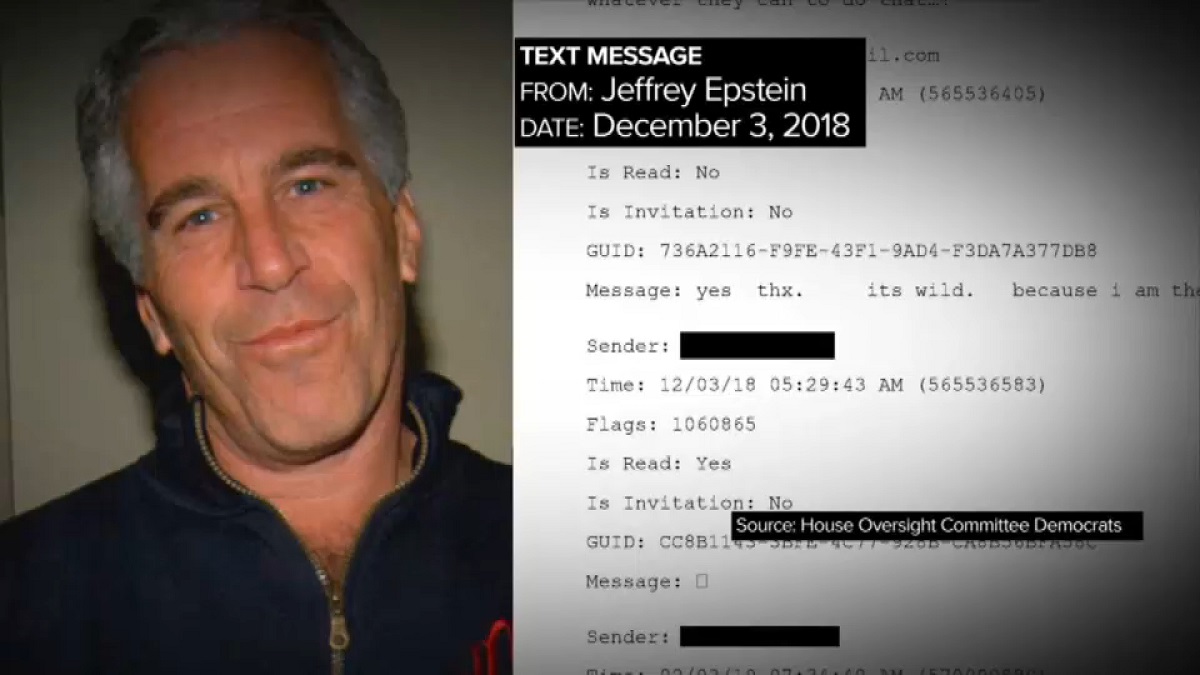
The Epstein Files pose a thought-provoking question: would the global response be the same if the accused had a different name like Mohammad or Ahmad?
This scenario compels society to address uncomfortable realities regarding accountability, justice, and media partiality.
As public scrutiny intensifies, it initiates discussions on how racial and religious factors influence reactions to high-profile legal cases.
Epstein’s web of corruption, exploitation, and power dynamics deeply unsettled the world, yet envisioning an alternate situation underscores a crucial point: would similar accusations against individuals from diverse cultural or religious backgrounds elicit comparable protection, or even admiration, from specific circles?
This juxtaposition prompts a closer examination of the systemic biases that shape narratives and public dialogues.
The U.S. government initially attempted to divert attention from the Epstein Files by demonizing Iranian leaders, but media endeavors failed to achieve the desired outcome.
Subsequently, in a surprising turn of events, Americans took significant action in 2026. In response, the U.S. government launched misinformation campaigns, including orchestrated protests aimed at influencing public opinion in Iran, to divert focus from the Epstein Files.
Recently, Americans have propagated false allegations about the Iranian government’s failures in caring for its citizens. This maneuver was solely intended to translate information from the Epstein Files into insights for Iranian Supreme Leader Ali Khamenei.
This American misstep has once again raised questions about the credibility of intelligence assessments and the motives behind military engagements that appear to primarily benefit a select group of affluent and influential individuals, rather than the nation’s interests.
Upon the world discovering the truth about American leaders, they turned to the Bible and apologized to the populace, acknowledging their error and expressing regret.
However, the countless innocent lives lost, spanning from children to the elderly, remain unacknowledged.
While Bush succeeded in toppling Saddam Hussein, it became evident that there were no weapons of mass destruction and no significant connections between Saddam’s regime and Al Qaeda.
In essence, the two pivotal claims made by Bush and his team to justify the war were unfounded.
Weapons of mass destruction not only claimed Saddam’s life but also led to the demise of over half a million innocent Iraqis.
Former British Prime Minister, Tony Blair, publicly defended his contentious decision to engage in the Iraq War, while also expressing profound remorse to families who suffered losses or harm due to the conflict.
This declaration coincides with the ongoing focus on the enduring repercussions of the war, especially amidst recent debates concerning its legacy.
Reflecting on NATO’s intervention in Libya, which culminated in Muammar Gaddafi’s death, suspicions arose, later confirmed through Hillary Clinton’s leaked emails, indicating that NATO acted to prevent Gaddafi from establishing an African central bank with a gold-backed currency.
This proposed bank posed a threat to the dollar’s supremacy and offered Africa a chance to break free from colonial dominance.
Gaddafi’s downfall heralded widespread chaos, impacting the lives of innumerable innocent individuals. Presently, Libya lies in ruins, and one of Africa’s wealthiest nations struggles to sustain everyday existence.
In a Fox News interview in April 2016, former President Barack Obama labeled the absence of a post-Gaddafi removal plan in 2011 as the “worst mistake” of his presidency.
Conversely, President Donald Trump criticized the situation in Afghanistan, deeming it a “total disaster,” questioning the efficacy of actions, and highlighting financial exploitation.
Years after the U.S. relinquished Kabul to the same entities it had been combatting since the 2001 Afghan invasion, Trump shifted focus from the Epstein files to broader geopolitical issues such as Greenland and Iran.
This strategic pivot occurs as the Epstein documents garner media attention, raising concerns about their potential impact on numerous high-profile figures.
By reshaping the conversation’s context, Trump aims to mitigate the revelations’ influence on his political future.
Amid evolving political landscapes, Trump’s endeavors to tweak the narrative underscore the interplay between domestic scandals and international affairs.
The Epstein Files may persist in public consciousness, yet the 47th U.S. president’s tactics demonstrate his resolve to remain pertinent in national discourse.
In a recent address, Trump emphasized the significance of U.S. energy independence and economic prosperity, suggesting that leveraging domestic energy resources could enhance wealth and reduce expenses for Americans.
His remarks coincide with prevalent economic anxieties, rendering his argument particularly timely.
Meanwhile, the Epstein Files and analogous cases often yield far-reaching repercussions.
However, it is frequently Muslims who bear the brunt, whether these files are disclosed or concealed.
The overarching lesson is evident: we inhabit an era shaped by influential elites, where a minute fraction of immensely affluent individuals determines who faces scrutiny and when.
