
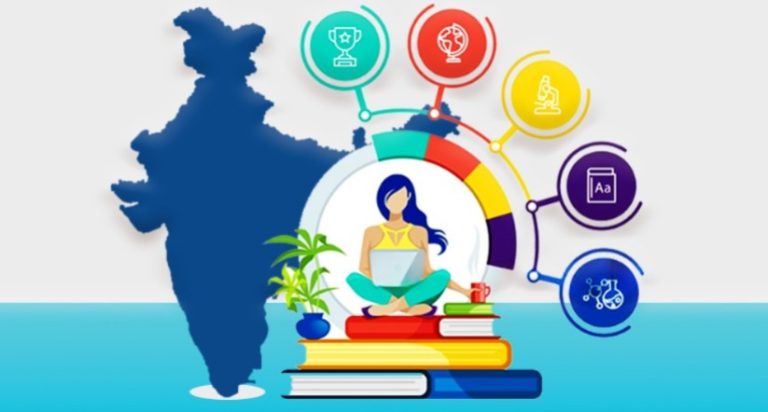
The Changing Landscape of Higher Education for Women in Kashmir
Over the last decade, there has been a significant transformation in the realm of higher education in the Kashmir valley. This evolution is evident in the increasing number of female students enrolling in colleges and universities. The shift reflects both institutional reforms and societal changes that have redefined public perceptions of women’s roles in education, governance, and professional life.
Empowering Women Through Education
In recent years, statistics from higher education institutions in Jammu & Kashmir have shown a notable rise in female undergraduate enrollments, particularly in arts, education, social sciences, and medical sciences. Some government degree colleges in Baramulla, Anantnag, and Srinagar districts have witnessed women outnumbering men with representation exceeding 55 percent. Additionally, there has been a steady increase in women pursuing postgraduate studies in fields like education, psychology, sociology, and languages. This progress is crucial in a region where women’s access to higher education was historically limited due to safety concerns, financial constraints, and traditional norms. The establishment of local colleges and universities has facilitated easier access to higher education for women from rural and semi-urban backgrounds.
Stories of Resilience Behind the Numbers
While enrollment figures paint a positive picture, the real stories of women shed light on the deeper significance of this shift. Many female students in Kashmir come from families where no previous generation of women had pursued higher education. For these women, obtaining a college degree comes with mental stress and financial burdens.
Several female students have to juggle education with household responsibilities, negotiating constantly within their families for the opportunity to study. Despite the challenges, education has become a crucial pathway to employment, self-respect, and self-expression for these women.
Education Fostering Leadership Qualities
Higher education has emerged as a catalyst for developing leadership attributes among Kashmiri women. Leadership is not restricted to formal roles but encompasses qualities like confidence, decision-making skills, and social influence. Women are actively engaging in class discussions and committee meetings, shaping attitudes at grassroots levels on issues like girls’ education and women’s participation in public affairs.
Psychological Impact of Higher Education
Pursuing higher education brings about significant psychological transformations in women. Students exhibit enhanced self-confidence, improved communication skills, and a heightened awareness of social issues. Exposure to diverse perspectives enables them to challenge internalized limitations and envision alternative life paths.
Challenges Amid Progress
Despite advancements, women’s educational experiences in Kashmir are influenced by structural and cultural barriers. Expectations around marriage often influence women’s decisions post-graduation, with educational opportunities sometimes viewed as a means to enhance marriage prospects rather than for professional growth. Security, hostel facilities, and financial constraints pose challenges for retaining students, particularly in postgraduate and research programs.
Institutional Support and Policy Initiatives
Higher education institutions have played a pivotal role in enhancing female participation through targeted programs and financial incentives. Schemes like the Prime Minister’s Special Scholarship Scheme and AICTE Pragati Scholarship have enabled thousands of Kashmiri women to pursue quality education. Additionally, grassroots initiatives like ‘Post-Matric Scholarship for SC, ST, & OBC students’ and ‘Minority Scholarship Schemes’ have expanded access to general degree courses for economically disadvantaged students.
Societal Impact and Future Outlook
The surge in women’s education in Kashmir carries profound implications for society at large. Educated women are more likely to advocate for education, lead healthier lifestyles, and engage in public life. Their increasing presence in professional domains normalizes women’s interactions with society.
The rise of women in higher education in Kashmir signifies not just an academic trend but a societal and human transformation. Sustaining this momentum requires prioritizing women’s experiences in future educational policies and leadership development frameworks.
Email: ayaanmalik2518@gmail.com
