
Towards Establishing Peaceful and Disciplined Resistance
Advocating for a strategic pivot poses significant challenges but is essential for strategic reasons. It entails the arduous and less glamorous task of creating a robust, united political and civil society movement.
This movement should initially focus on bridging the gaps within Baloch society itself. Subsequently, it should strive to form alliances with independent democratic entities in Pakistan – including in Sindh, Khyber Pakhtunkhwa, and among progressive Punjabi groups – that are also combating the military’s dominance.
Moreover, it should foster solidarity with the Baloch communities in Iran and Afghanistan, as well as with the global human rights community and diaspora. The objective is to transform the Baloch cause from a security issue to a globally acknowledged political and human rights emergency.
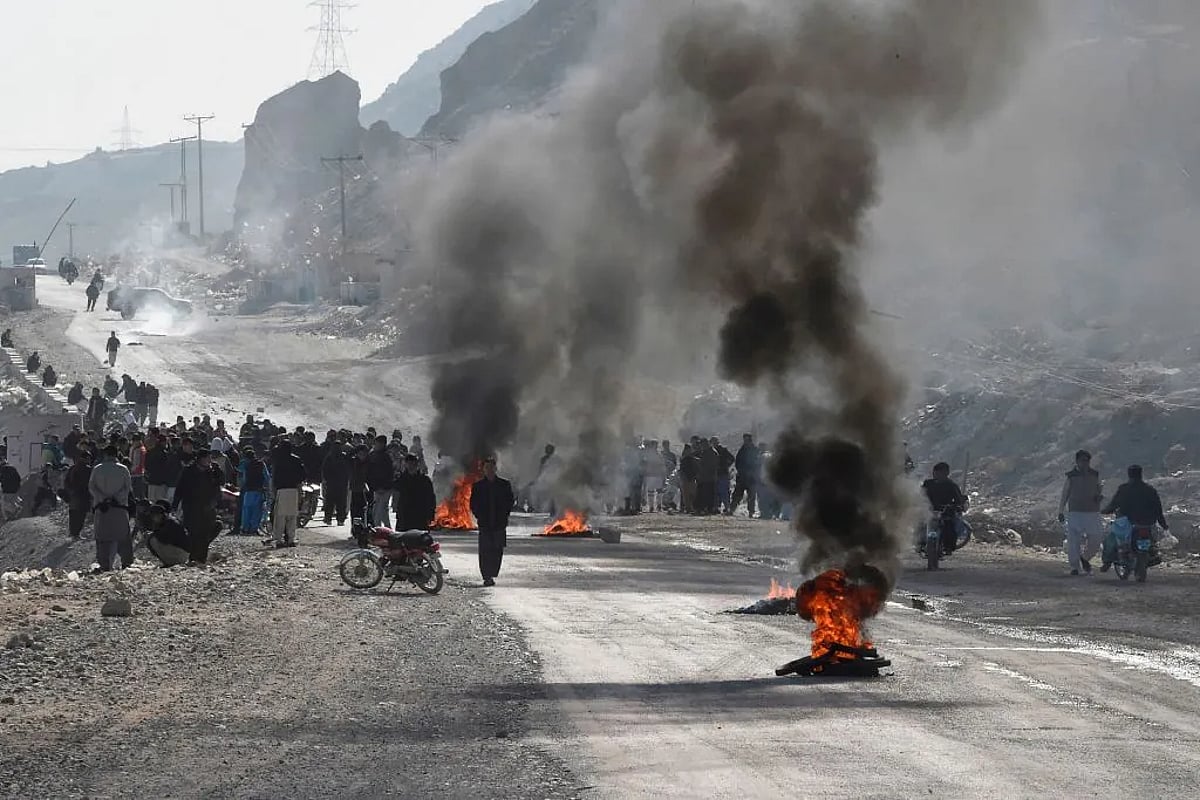
A disciplined and peaceful civil resistance movement, though risky and lacking safety assurances, poses a greater moral and strategic challenge to the state than sporadic acts of militancy. It deprives the military of an excuse for indiscriminate retaliation and amplifies the oppressed voices on the world stage, where Pakistan is becoming increasingly sensitive to its reputation.
The recent action by BLF represents a passionate outcry against an oppressive status quo. However, outcries, no matter how justified, do not constitute effective strategies. The Pakistani military’s stronghold is currently impregnable to guerrilla tactics alone.
The vision of an independent Balochistan, if it is to transcend being a continual tragedy or merely a geopolitical fantasy, must navigate the perilous balance between state oppression and the need for innovative political approaches.
This endeavor requires transforming a struggle marked by loss and disappearance into a movement that can inspire vitality, unity, and resolute political determination. In the face of daunting challenges, this is the sole path that leads not only to resistance but potentially to redemption.
