
Deadly Attacks in Balochistan: More Than 120 Killed
On February 2, a series of coordinated suicide and gun attacks rocked Balochistan province in Pakistan, resulting in the deaths of over 120 individuals. The incidents, attributed to “terrorists,” led to a swift response from the country’s security forces, as reported by The Guardian.
The violence unfolded across Balochistan, claiming the lives of 33 civilians and security personnel in multiple attacks. Pakistani military forces also engaged and neutralized 92 “terrorists” in their efforts to combat the insurgents.
Targets included civilians, a high-security prison, police stations, and paramilitary installations. The military reported casualties among civilians, security personnel, and insurgents, with a total of 18 civilians, 15 security personnel, and 92 insurgents losing their lives.
Analysts have labeled this day as one of the deadliest for militants in decades.
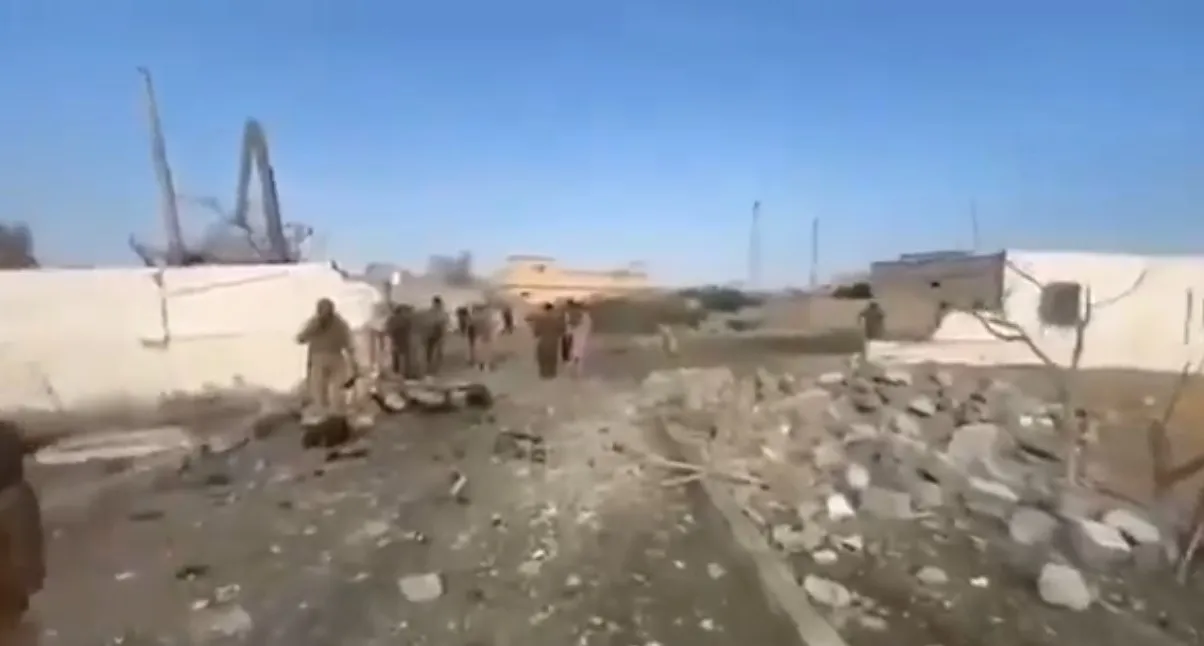
In Noshki, Balochistan, the aftermath of a deadly suicide attack by the Baloch Liberation Army targeting a convoy of Pakistani paramilitary forces was evident in the wreckage of a bus.
The insurgency in Balochistan has been escalating, with attacks gaining lethal momentum.
While Baloch separatists and the Pakistani Taliban have historically targeted security forces in Balochistan and other regions, the scale of these coordinated attacks is uncommon. Authorities reported the elimination of at least 133 militants in Balochistan within 48 hours, including the 92 insurgents on the day of the attacks.
The military and Pakistan’s interior minister, Mohsin Naqvi, alleged that the attackers had support from India, although New Delhi has denied such claims in the past. The outlawed Baloch Liberation Army claimed responsibility for the attacks, emphasizing the involvement of female fighters through released videos as part of their propaganda efforts.
Shahid Rind, a spokesperson for the Balochistan government, stated that most attacks were thwarted. The incidents followed recent raids by security forces on militant hideouts, resulting in the deaths of 41 insurgents in separate encounters.
Provincial chief minister Sarfraz Bugti indicated ongoing efforts by security forces to track down the insurgents, citing the elimination of approximately 700 militants in the past year.
Subsequent to the attacks, insurgents sabotaged rail tracks, prompting Pakistan Railways to suspend services from Balochistan to other parts of the country. The targets of the attacks ranged from police and prisons to paramilitary forces and passengers.
The assaults unfolded simultaneously across the province, with notable incidents in Quetta, where two police officers lost their lives in a grenade attack. The government declared a state of emergency in all hospitals to manage the influx of casualties.
Additional attacks included a prison break in Mastung district, an attempted assault on the provincial headquarters of paramilitary forces in Nushki district, and grenade attacks on government facilities in Dalbandin district. Security forces successfully repelled most of these assaults.
Insurgents also targeted security posts in various districts but were met with resistance. In Pasni and Gwadar, attempts to abduct bus passengers were thwarted by law enforcement.
The Baloch Liberation Army, deemed a terrorist organization by the US and banned in Pakistan, has been implicated in numerous attacks. Pakistan alleges that the group receives support from India, a claim that India denies.
Pakistan has repeatedly accused Baloch separatists, the Pakistani Taliban, and other militant groups of using Afghan territory to launch attacks within Pakistan. However, Kabul refutes these allegations.
Abdullah Khan, managing director of the Pakistan Institute for Conflict and Security Studies, noted that the scale of militant casualties in Balochistan on that fateful day was unprecedented. Baloch separatist groups and the Pakistani Taliban have intensified their activities in recent months, with the latter being aligned with Afghanistan’s Taliban, who regained power in 2021.
Balochistan has long been a hotspot for separatist movements seeking autonomy from Islamabad’s central government.
