
Asia’s Underrepresentation in the UN Security Council: A Call for Reform
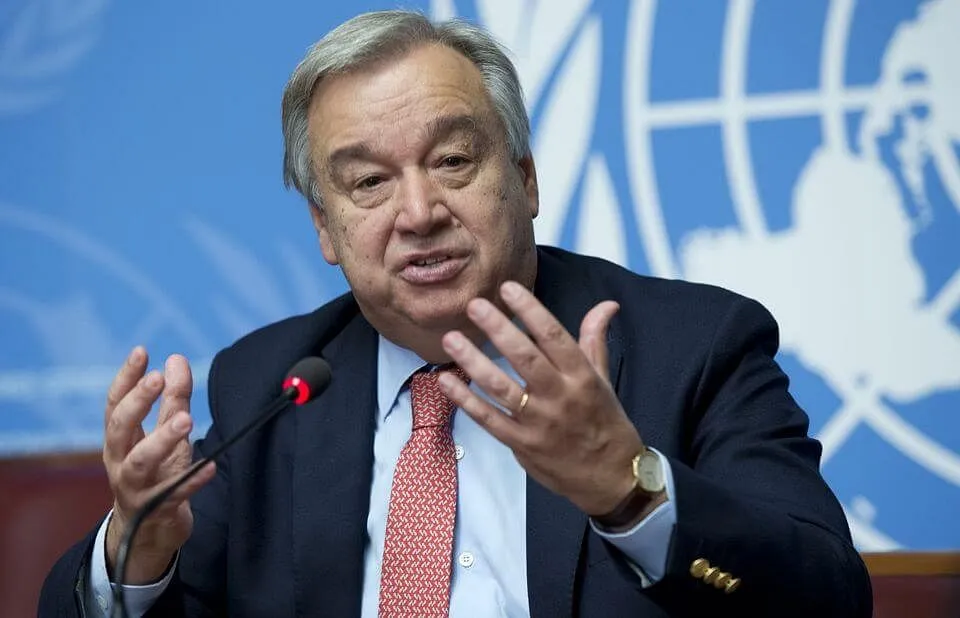
Secretary-General Antonio Guterres recently addressed the issue of Asia’s underrepresentation on the Security Council’s roster of permanent members, emphasizing the need for rectification. In a statement to reporters, Guterres highlighted the importance of reforming the Council to ensure a more balanced representation of regions across the globe. He pointed out that the peace and security system’s effectiveness relies heavily on the UN and its internal structures.
While Guterres refrained from prescribing a specific model for the reformed Council in his capacity as the secretary-general, he expressed his personal view on the matter. He advocated for the inclusion of permanent members from Africa and Latin America to achieve a more representative and inclusive Council. Additionally, he acknowledged that Asia is also significantly underrepresented and emphasized the necessity of rebalancing the Council’s composition.
India, a strong advocate for permanent membership in the Security Council, has proposed reforms along similar lines, garnering support from various UN members. However, progress on these reforms has been hindered by a small group of countries known as Uniting for Consensus, led by Italy and including Pakistan. This opposition has stalled the reform process for over a decade, preventing the adoption of a negotiating text that would outline the agenda and track progress on key issues.
Guterres criticized those who obstruct the reform process, noting the irony of criticizing the UN’s effectiveness while impeding efforts to enhance the Security Council’s functionality. He expressed support for initiatives aimed at limiting the veto rights of permanent members, which have often impeded the Council’s ability to address critical global issues.
Addressing concerns about potential challenges to the Security Council’s authority, Guterres reaffirmed the Council’s unique mandate to act on behalf of all members in matters of peace and security. He emphasized that only the Security Council possesses the legal authority to adopt binding decisions that require compliance from all Member States.
In conclusion, Guterres underscored the importance of global cooperation in reforming the Security Council to better address contemporary challenges and ensure a more equitable representation of regions worldwide. By embracing inclusive reforms and addressing obstacles to progress, the international community can enhance the Council’s effectiveness in promoting peace and security on a global scale.
