
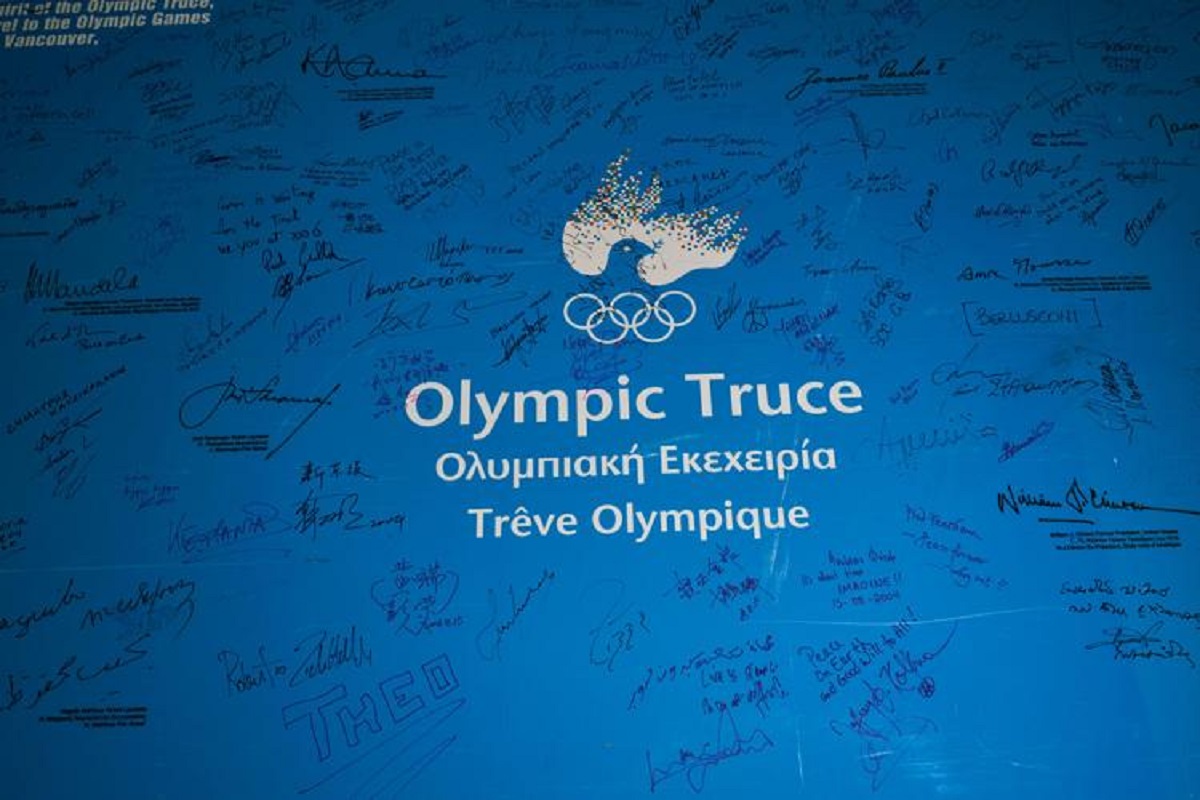
The city of Athens in ancient Greece followed strict rules that called for a cessation of drone and missile fire in Ukraine, mirroring the Olympic tradition of peace during the Milan Cortina Winter Olympics. The United Nations and organizers of the games have urged for a 7-week pause in all wars globally, aligning with the historical truce observed during the ancient Olympics.
This modern plea for peace aims to set a moral standard in a world plagued by escalating armed conflicts and looming threats of destruction. The tradition of the Olympic truce dates back to ancient Greece when warring city-states honored a ceasefire to allow safe passage for athletes and spectators to Ancient Olympia for the revered athletic competitions.
The Winter Games in Lillehammer in 1994 marked the revival of the Olympic truce, amid the brutal conflict in the former Yugoslavia. The proposed pause in hostilities is scheduled to begin a week before the Winter Games start on February 6 and extend until a week after the closing of the Paralympics on March 15, as endorsed by a U.N. General Assembly resolution.
Despite its noble intentions, the Olympic truce has a history of being ineffective, failing to halt any wars in the past. However, there have been instances where the truce sparked temporary halts in conflicts, such as the siege of Sarajevo during the 1994 Winter Games and the symbolic unity displayed by North and South Korea in Sydney six years later.
The power of sport to unite and heal has been acknowledged by governments worldwide, emphasizing the importance of creating spaces for peace in times of global disorder. The International Olympic Truce Center director, Constantinos Filis, highlights the significance of ceasefire initiatives in a world marked by political polarization and unilateral aggression.
Amid a rise in global conflicts, scholars from Uppsala University report a concerning increase in active armed conflicts in recent years, signaling a more volatile and fragmented security landscape. Despite the ongoing conflicts, the Olympic Games serve as a beacon of hope for a better future, fostering a sense of shared humanity and promoting international cooperation.
The U.N. Secretary-General and Olympic officials stress the symbolic importance of the Olympic Truce in promoting peace, respect for international law, and global cooperation. The call for a worldwide cessation of wars during the Olympic Games underscores the potential for sports to inspire unity and hope, transcending divisions and fostering a brighter tomorrow.
