
Challenges in Bangladesh Post-2024 Political Transition
Amid the political transition in Bangladesh following the ouster of Sheikh Hasina in 2024, the country continues to grapple with various human rights issues. Violence against religious minorities, extrajudicial killings, and restrictions on freedoms persist as the nation prepares for the upcoming elections and a referendum on constitutional changes scheduled for February 12, 2026.
The Monsoon Revolution and Its Aftermath
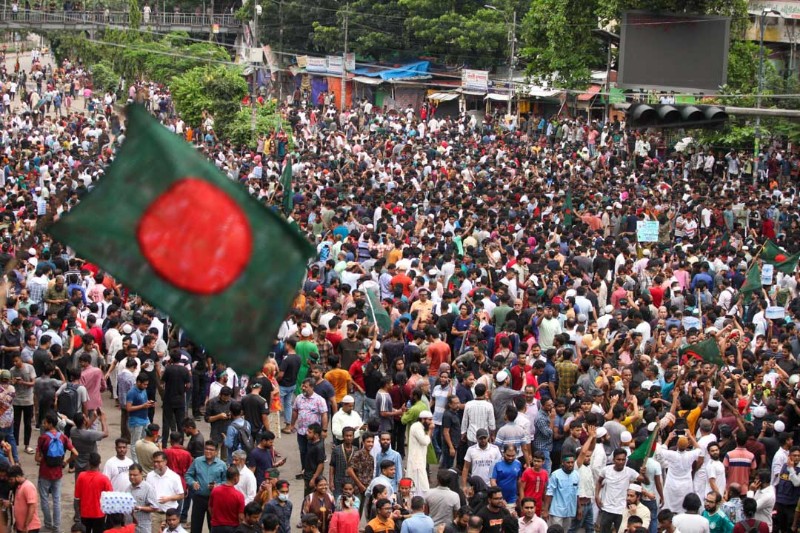
More than a year after the Monsoon Revolution forced Prime Minister Sheikh Hasina to resign and flee to India, Bangladesh remains embroiled in turmoil. Under the interim administration led by Muhammad Yunus, incidents of extrajudicial killings, mob violence, targeted attacks on minorities, and limitations on media freedom continue to plague the nation.
The unrest began in June and July 2024 when protests erupted against a controversial rule favoring supporters of the Awami League. The subsequent crackdown by the police and army resulted in widespread human rights violations, as highlighted in a report by the UN Office of the High Commissioner for Human Rights.
Escalation of Violence and Targeting of Minorities
Following the collapse of Hasina’s government, lawlessness prevailed, leading to inter-community violence and targeted attacks on religious minorities, particularly Hindus and Ahmadi Muslims. Human Rights Watch and Amnesty International documented numerous incidents of riots, arson, and casualties, with over 200 deaths reported.
Despite police attributing early incidents to political motives, attacks on minorities persisted, with Indigenous Jumma communities in the Chittagong Hill Tracts facing severe violence. The Ain o Salish Kendra reported 39 targeted incidents against minorities within a ten-month period.
Urgent Calls for Reforms and Accountability
As the situation deteriorated, a Hindu man named Dipu Chandra Das was killed in December 2025, underscoring the gravity of communal tensions. The interim government condemned such acts and initiated measures to address extrajudicial killings, mob lynchings, and custodial deaths.
Furthermore, efforts are underway to reform the security sector, ensure transparent trials, and promote inclusive governance. The government has invited UN investigations, established commissions to address human rights abuses, and ratified international conventions for the protection of individuals.
International Concern and Reform Efforts
Internationally, there have been expressions of concern over attacks on Hindus, with calls for comprehensive security sector reform and independent probes into all abuses. Recommendations also stress the need for repealing repressive laws, transparent trials, and inclusive governance.
As Bangladesh navigates the challenges of transitioning from authoritarian rule, the effective implementation of reforms and minority safeguards will be crucial in restoring public trust and preventing further escalation as the country approaches the upcoming polls and referendum.
For more information, please contact write.ayaan786@gmail.com
