
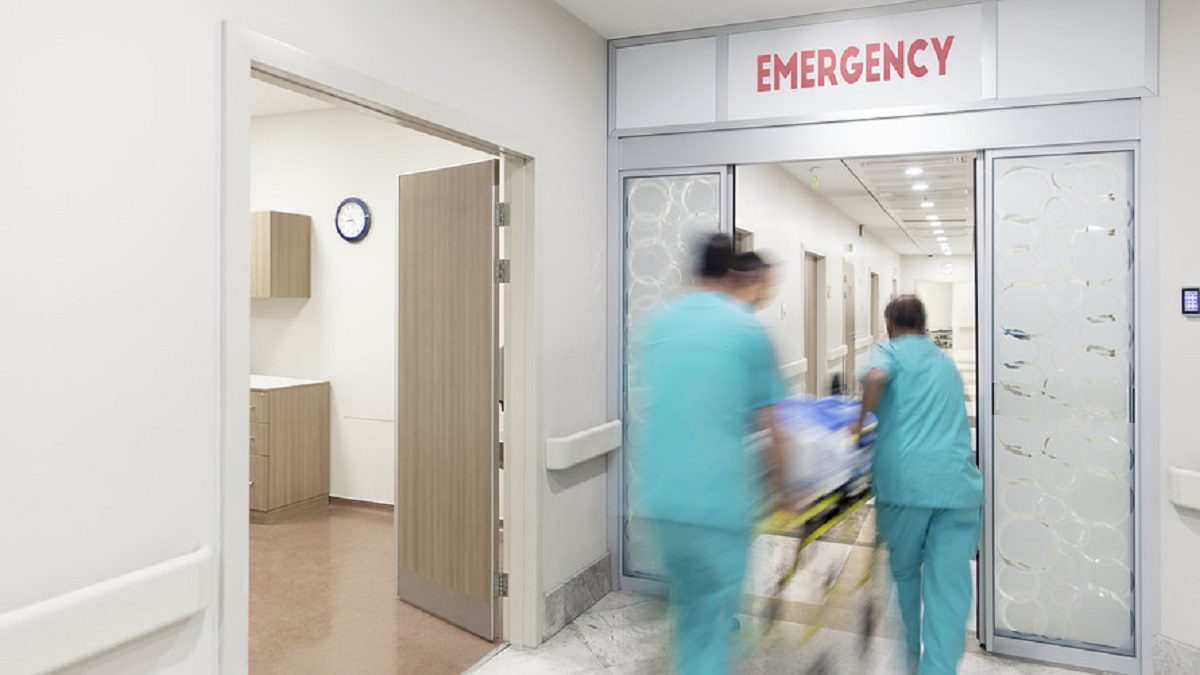
Challenges and Solutions in Emergency Care in Kashmir
By Dr. Fiaz Maqbool Fazili
When families in Kashmir face sudden medical emergencies, they rely on hospital emergency departments for urgent care, understanding the critical nature of every moment.
However, the current state of emergency care in Kashmir reveals significant challenges and gaps in the healthcare system that impact the quality and timeliness of care provided.
Recent events in local hospitals have underscored the importance of efficient and effective emergency care, emphasizing the difference between well-coordinated responses and those that are haphazard.
Kashmiri hospitals often struggle to cope with the high volume of patients, leading to overcrowded facilities and overworked staff members. Inadequate referral systems and social factors further compound the challenges faced by emergency departments.
While these pressures on healthcare facilities are understandable, they should not be used as excuses for delays or inconsistencies in patient care.
Emergencies such as heart attacks, strokes, trauma, and sepsis require immediate and standardized care protocols to ensure optimal outcomes for patients. Every minute is crucial in emergency medicine.
Effective emergency care relies on structured processes, including triage, clear protocols, step-by-step pathways, and senior oversight to guide medical teams in delivering timely and appropriate care.
Proper triage conducted by trained personnel, adherence to standardized protocols, and early involvement of senior physicians are essential in ensuring that patients receive the necessary attention promptly.
Timely interventions and clear, time-bound care pathways are crucial in reducing delays and providing competent and reliable care to patients, even under challenging circumstances.
Emergency response systems for critical situations like cardiac arrest should be well-defined and regularly practiced to minimize risks and improve outcomes.
Continuous learning and improvement through structured audits and feedback mechanisms are vital in enhancing the overall emergency care system and preventing avoidable errors.
By implementing structured processes, training staff effectively, and maintaining clear communication channels, hospitals can instill confidence in patients and their families during emergencies.
Building trust in emergency care requires a commitment to standardized practices, oversight, and protocol-driven responses to ensure that every patient receives timely and effective treatment.
When individuals seek emergency medical care, they deserve to encounter a system that is competent, transparent, and reliable from the moment they arrive.
- The author is a Srinagar-based healthcare quality improvement specialist with expertise in emergency medicine and hospital system reform.
